The Standardbred is North America’s premier harness racing horse, developed in the 1800s as a faster, more durable trotter and pacer than the early Morgan and Thoroughbred crosses that founded it. Today the breed dominates harness racing worldwide, with millions raced through the United States Trotting Association (USTA). Beyond racing, retired Standardbreds have become enormously popular as trail horses, lesson mounts, and even hunters thanks to their proven sound, sane temperaments — and the prices reflect both ends of that market.
Quick Answer: Standardbred Prices
| Type | Price Range |
|---|---|
| Retired racehorse (off-track) | $500 – $3,500 |
| Retrained for riding | $2,500 – $10,000 |
| Trained pleasure or trail | $5,000 – $15,000 |
| Active racehorse (claiming) | $5,000 – $50,000 |
| Top stake racehorse or breeding stallion | $50,000 – $2,000,000+ |
| Foals (yearlings at auction) | $5,000 – $300,000+ |
Why Are Standardbred Prices So Variable?
1. Two Completely Different Markets
Standardbred pricing splits into the racing market (where pedigree, race times, and stake eligibility drive prices into the hundreds of thousands) and the retired-racehorse market (where horses are often inexpensive because the racing industry produces a constant supply).
2. Racing Performance Drives the Top End
The United States Trotting Association (USTA) tracks every Standardbred’s race record:
- Best mile time is the universal measure of value
- Sub-1:50 trotting mile horses can be worth $1 million+
- Stake-winners and Breeders Crown champions command top prices
- Yearling sales (Lexington Selected, Harrisburg) regularly produce six-figure sales
3. Retraining Adds Value at the Lower End
An off-the-track Standardbred (OTSB) may cost only $500-$2,500, but the same horse retrained as a riding horse can sell for $5,000-$10,000 within a year. Retraining represents real labor and time investment.
4. Strict Registry Verification
The USTA maintains rigorous records:
- All foals are DNA-verified for parentage
- Tattoo or microchip identification is mandatory
- Race performance records are public and detailed
- Hambletonian Society (trotters) and Hanover Shoe Farms records add provenance
Standardbred Prices by Purpose
Harness Racing (Active)
The breed’s primary use:
- Claiming horse: $3,000 – $25,000
- Allowance/preferred: $25,000 – $100,000
- Open stake winner: $100,000 – $500,000+
- Hambletonian or Little Brown Jug winner: $500,000 – $2,000,000+
Trail and Pleasure Riding
OTSBs make exceptional trail horses thanks to their stamina, manners, and traffic tolerance:
- Off-the-track, unstarted: $500 – $2,500
- Started under saddle: $2,500 – $6,000
- Confirmed trail horse: $5,000 – $15,000
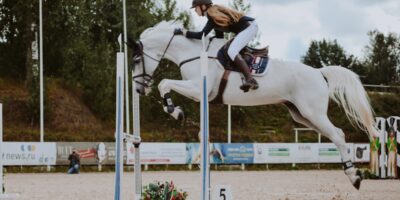
Eventing, Hunters, and Dressage
An increasing number of Standardbreds compete in sport horse disciplines:
- Started over fences: $4,000 – $12,000
- Competing Beginner Novice to Training: $8,000 – $25,000
- Lower-level dressage: $5,000 – $18,000
Amish/Mennonite Driving
Many retired racehorses go directly to Amish buggy work:
- Suitable horse for buggy use: $2,500 – $6,000
- Top road horse: $6,000 – $12,000
Breeding
- Broodmare with stake-winning produce: $25,000 – $250,000+
- Approved stallion at stud: $250,000 – $5,000,000+
- Yearling (auction average): $25,000 – $80,000
Understanding Standardbred Registration
USTA registration is mandatory for any racing Standardbred and verifies pedigree completely:
USTA Registered: All DNA-verified with detailed pedigree, race record, and identification tattoo or microchip.
Trotters vs. Pacers: Two main gait groups. Trotters use a diagonal two-beat gait; pacers use a lateral two-beat gait. Pacers race the majority of US races.
Hambletonian Society: Tracks the elite trotting bloodlines.
Stake Eligibility: Whether a horse is eligible to enter certain stakes affects price enormously.
USTA Lifetime Number: Every registered Standardbred has a unique number tied to race records and breeding documentation.
Health Considerations
Standardbreds are one of the most durable horse breeds thanks to selection for racing soundness over generations:
- Tendon and ligament strain: Common in retired racehorses; ultrasound recommended
- Splints and bowed tendons: Front-end stress from racing
- Arthritic changes: Knees and hocks; baseline X-rays useful
- Track injuries: Look for old fractures, particularly to the cannon bone or sesamoids
- Roaring (laryngeal hemiplegia): Occasional in larger horses
- Generally sound feet and constitution: One of the breed’s best traits
Impact on pricing: A PPE with leg X-rays and ultrasound is essential for any OTSB. Retired racehorses with clean legs sell at the top of their tier; horses with visible damage sell at the bottom.
Ongoing Costs
| Expense | Monthly | Notes |
|---|---|---|
| Board | $300 – $1,200 | Standard rates |
| Farrier | $75 – $200 | Often barefoot or simple shoes |
| Retraining costs | $400 – $1,500 | If sent to a retraining program |
| Insurance | $30 – $150 | Lower premiums for lower-value horses |
Where to Buy a Standardbred
OTSB Adoption Programs (New Vocations, SRF)
Pros: Lower prices, thorough vet check before adoption, retraining support
Cons: Adoption contracts may restrict future resale
Direct from Racing Stables
Pros: Lowest prices, direct knowledge of horse’s career and injuries
Cons: Buyer responsible for retraining, vet, and transition
USTA Yearling Sales
Pros: Lexington Selected, Harrisburg Sale, Standardbred Horse Sale – top racing prospects
Cons: Racing investment, not pleasure horses
Standardbred Specialty Trainers
Pros: Retrained, started under saddle, ready for new home
Cons: Pay premium for retraining work, smaller inventory
Red Flags When Buying
- No USTA papers or tattoo/microchip ID
- Recent race record withheld (it’s publicly searchable on USTA)
- Visible bowed tendons or unsoundness not disclosed
- “Standardbred-type” or mix sold as papered Standardbred
- Refusal to provide leg ultrasound or X-rays
- Drugs masking ongoing soundness issues at sale time
Standardbred Crosses: More Affordable Options
Standardbred crosses are popular in pleasure and Amish driving circles:
- Standardbred x Thoroughbred: $2,000 – $7,000 (sport horse prospects)
- Standardbred x Quarter Horse: $1,500 – $5,000 (pleasure all-arounders)
- Standardbred x Saddlebred (Hackney Pony lines): $2,500 – $8,000
- Unregistered crosses: $500 – $3,000
The Bottom Line
The Standardbred offers the widest entry point of any major breed — a sound retired racehorse can be adopted for under $2,000, while top racing yearlings sell for hundreds of thousands. Plan on $1,500-$4,000 for an off-the-track horse, $5,000-$12,000 for a retrained pleasure horse, and $15,000-$50,000+ for an active claiming racehorse. The breed’s exceptional soundness and trainability makes OTSBs one of the best values in pleasure horse buying — verify USTA papers, get a thorough PPE with leg X-rays, and budget for retraining time if you’re transitioning a racehorse to riding.
Sources: United States Trotting Association (USTA), Hambletonian Society, New Vocations Racehorse Adoption Program, Standardbred Retirement Foundation, Standardbred Horse Sales Company auction results

Leave a Reply