Equine sleep habits have gotten complicated with all the old wives’ tales flying around.
So, do horses really sleep standing up? The answer is yes… and no. Let me explain.
Yes, Horses Can Sleep on Their Feet
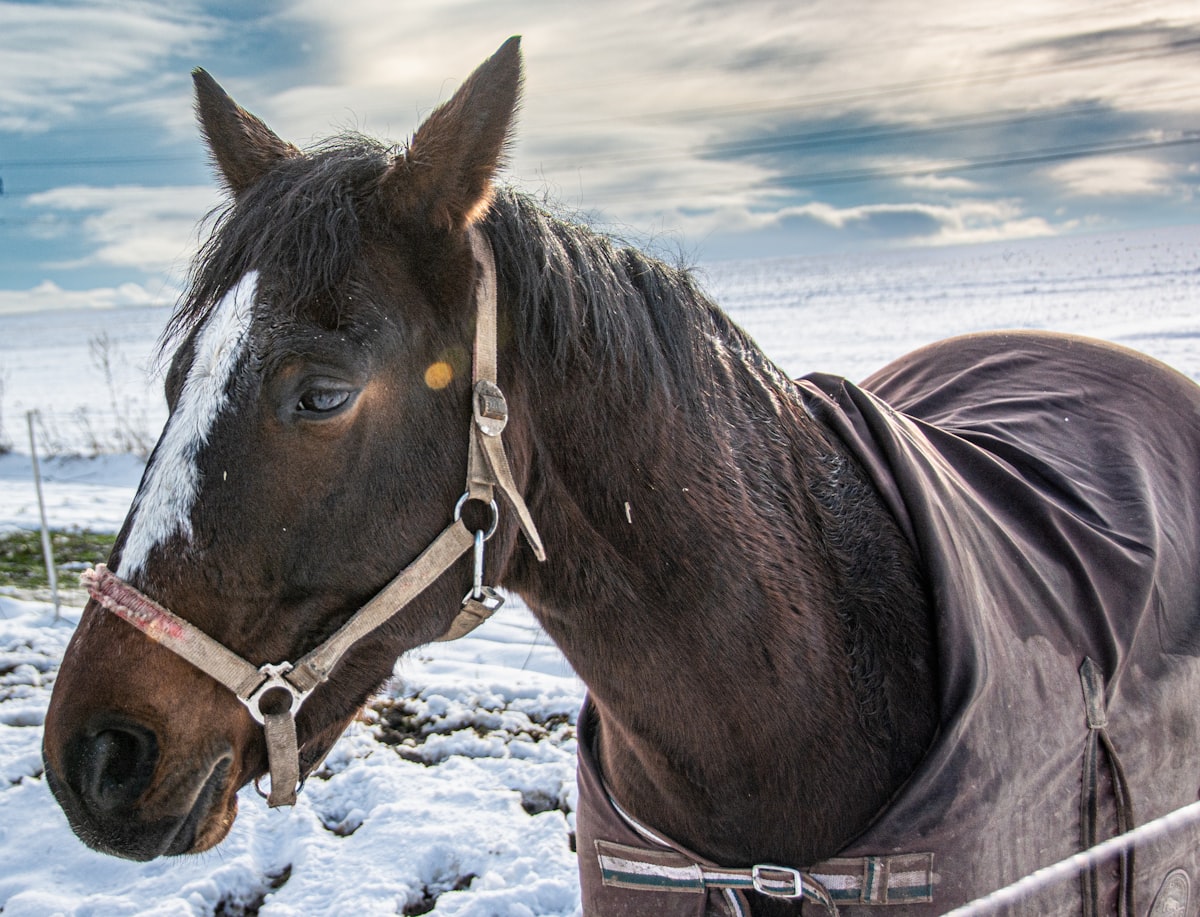
Horses have this incredible piece of biological engineering called the “stay apparatus.” It’s basically a system of tendons and ligaments that locks their leg joints in place, letting them completely relax their muscles while staying upright. They don’t fall over. They just… stand there and snooze.
When I first learned about this, I thought it was wild. But it makes total sense from an evolutionary standpoint. Horses are prey animals. In the wild, lying down means you’re a sitting duck for predators. Being able to doze while standing means they can bolt the instant something spooks them. Millions of years of survival instinct baked right into their anatomy.
But Standing Sleep Isn’t Enough
Probably should have led with this section, honestly. Here’s what a lot of people miss: while horses can doze and get light sleep while standing, they absolutely cannot get deep REM sleep that way. Their muscles need to fully relax, and that only happens when they’re lying down.
Horses need roughly 30 minutes to 3 hours of actual lying-down time every day to cycle through REM sleep. Skip that, and you’ve got a sleep-deprived horse on your hands — which is a real thing and a real problem. I’ve seen horses that were chronically sleep-deprived collapse without warning. It’s scary and it’s dangerous for horse and handler alike.
How the Herd Makes It Work
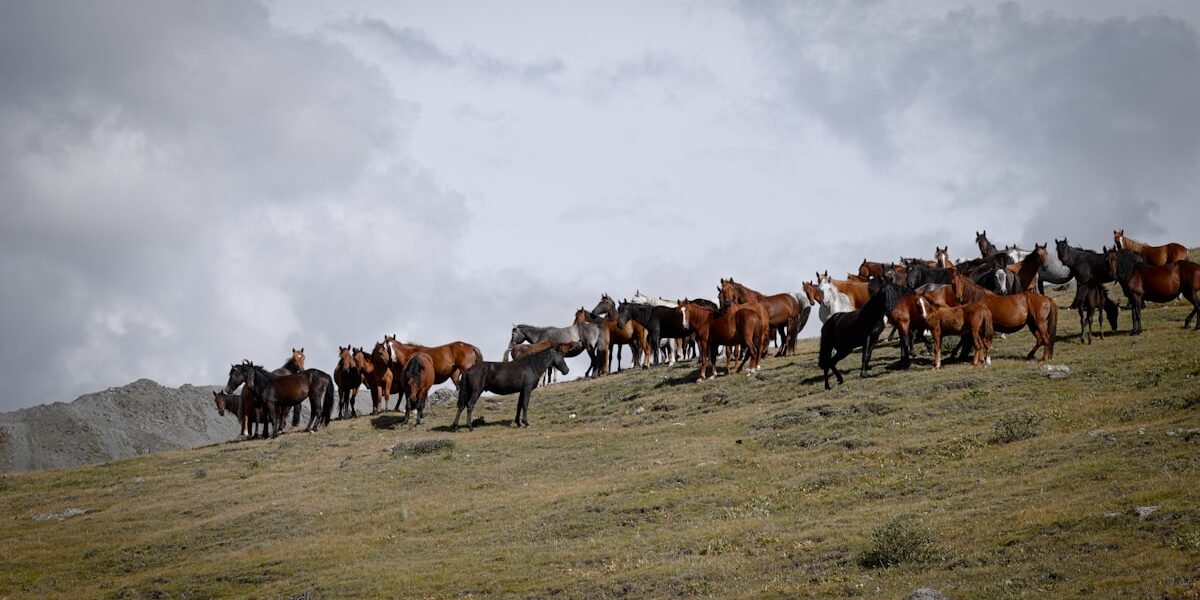
This is one of my favorite things about horses. In a group, they’ve got this built-in buddy system for sleep. One horse lies down to get real rest while another stands nearby, ears up, scanning for trouble. Then they switch. Everyone gets their turn.
That’s what makes herd sleep behavior endearing to us horse owners — it’s this beautiful display of trust and cooperation. If you’ve got multiple horses, watch for this rotation. One flat out, another standing guard. It means your herd dynamics are healthy and your horses feel safe enough to be vulnerable around each other.
When Standing-Only Sleep Becomes a Problem
If your horse never lies down, something’s wrong. Common culprits I’ve run into over the years include:
- Thin or uncomfortable bedding — nobody wants to sleep on a hard floor
- Stall that’s too cramped to lie down and get back up safely
- Joint pain or arthritis that makes the getting-up part miserable
- Feeling threatened or insecure in their space
- Being bullied by a dominant pasture mate
Chronic sleep deprivation from never lying down can cause collapse episodes, injuries from falling, behavioral changes, and worse. If your horse isn’t lying down at all, bring it up with your vet. Don’t brush it off.
How to Help Your Horse Sleep Well
I’ve found that the fix is usually pretty straightforward once you identify the issue. Deep, clean bedding makes a huge difference. Adequate space — your horse needs room to fold those long legs and get back up again. And most importantly, a calm, safe environment where they feel secure enough to let their guard down.
Minimize nighttime disturbances when you can, keep the routine consistent, and make sure herd dynamics aren’t creating stress. A well-rested horse is a happier, healthier, and safer horse to be around.
Understanding how your horse sleeps is one of those small things that makes a big difference in the quality of care you provide. It’s worth paying attention to.




Leave a Reply