
Horse speed has gotten complicated with all the different numbers flying around online.
The quick answer? Fast. Really fast. But the details are where it gets interesting.
Just How Fast Can a Horse Go?
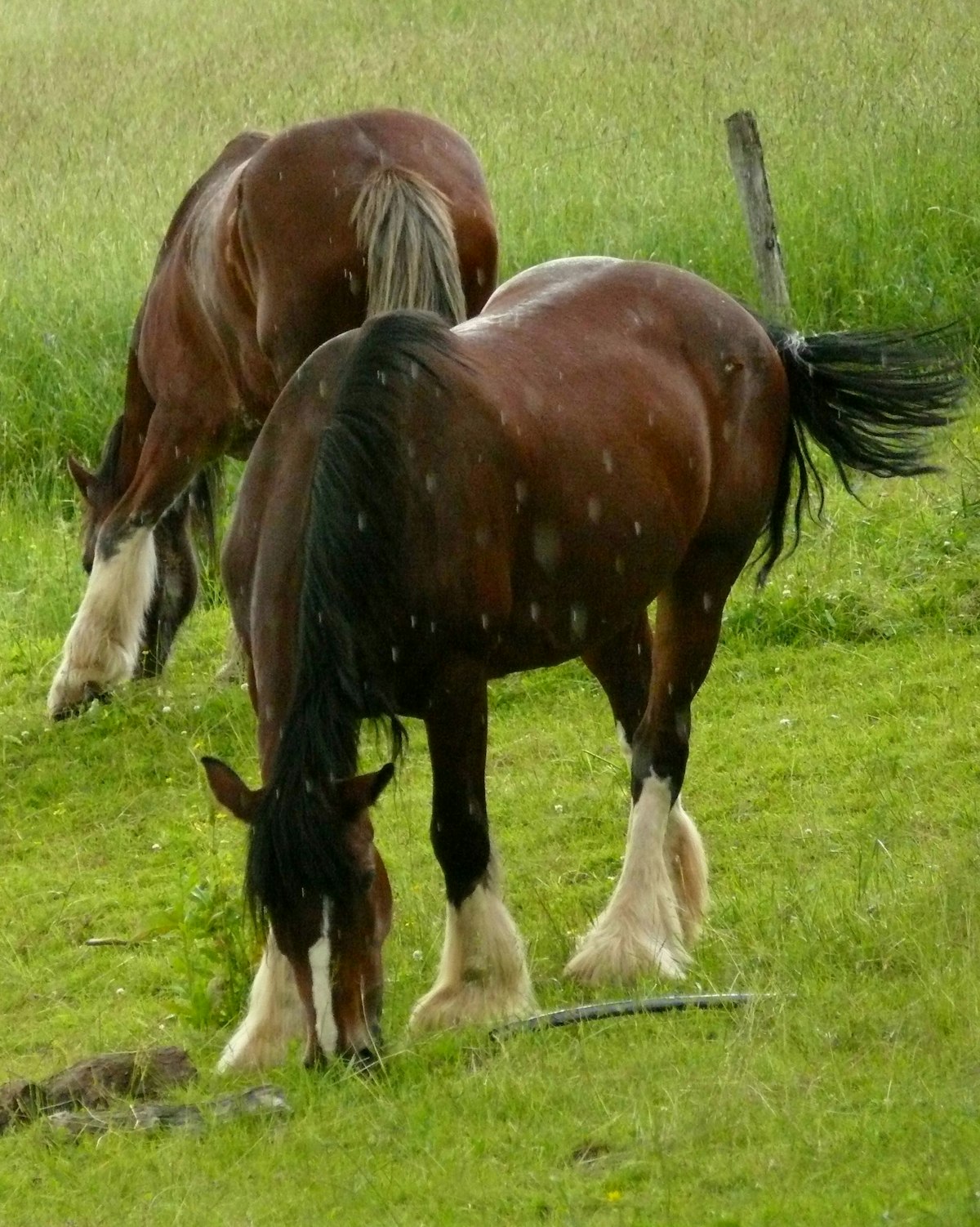
At peak sprint, the fastest horses can hit roughly 55 miles per hour. That’s genuinely incredible when you think about it — you’re talking about an animal that weighs over 1,000 pounds moving faster than most speed limits. But here’s the catch: they can’t hold that speed for long. A full-out gallop like that lasts maybe a quarter mile before they start to fade.
Probably should have led with this section, honestly. The actual world record goes to a Thoroughbred named Winning Brew, who in 2008 clocked 43.97 mph averaged over a quarter mile. That’s an average, mind you, which means she was going even faster during the peak of her run since she had to accelerate from a standing start.
Speed at Every Gait
Horses have four natural gaits, and each one covers ground at a very different pace. Here’s what you can expect:
Walk: 3-4 mph — This is the chill mode. The relaxed amble you see when a horse is heading back to the barn for dinner. It’s the slowest gait and the one where both you and the horse can just enjoy the scenery.
Trot: 8-12 mph — The trot is a two-beat diagonal gait, and it’s the workhorse (pun intended) of efficient travel. Horses can trot for a long time without getting tired, which is why it’s the preferred gait for covering distance.
Canter: 12-17 mph — Three beats, smooth and rocking. This is the gait most riders love because it’s comfortable and it feels like flying without being terrifying. It’s faster than a trot but the horse isn’t working as hard as a gallop.
Gallop: 25-30 mph average, up to 55 mph max — This is the one that takes your breath away. Full speed, four beats, every leg leaving the ground at once during the suspension phase. There’s nothing else like it.
Which Breeds Are the Fastest?
Genetics play a huge role in how fast a particular horse can go. Some breeds were literally designed to run:
- Thoroughbreds: The kings of sustained racing speed. These horses average around 40 mph on the track and they can hold it for a mile or more. There’s a reason they dominate horse racing worldwide.
- Quarter Horses: The name says it all — they’re fastest over a quarter mile. In a short sprint, a Quarter Horse will leave a Thoroughbred in the dust. But they fade faster over distance.
- Arabians: Not the fastest sprinters, but their endurance is legendary. An Arabian can maintain a good pace across 50 or 100 miles in a single day. That’s a different kind of fast.
- Standardbreds: These are your harness racing specialists. They’re fast at the trot and pace, which is its own impressive thing when you see it in person.
That’s what makes horse speed endearing to us equestrians — every breed brings something different to the table. Draft horses and ponies are typically slower due to their build, but they absolutely crush it in other areas like pulling power and agility.
What Determines an Individual Horse’s Speed?
Even within the same breed, speed varies a lot. Here’s what influences it:
- Genetics and bloodline — some families are just faster
- Age and physical condition — a fit 6-year-old will outrun an out-of-shape 15-year-old
- Training and fitness program — speed requires conditioning, period
- Terrain and footing — a horse runs differently on soft sand versus packed dirt
- Weight being carried — more weight means more effort and slower times
Sprint Speed vs. Endurance: Two Very Different Games
Here’s something that surprises a lot of people: horses are actually built more for endurance than sprinting. Sure, that gallop is impressive, but it’s not sustainable. What IS sustainable is a steady trot that a fit horse can maintain for hours, covering 20-30 miles in a single day without breaking down.
That combination of decent speed and remarkable stamina is exactly why horses were the backbone of human transportation for thousands of years. Before cars and trains, the horse’s ability to cover ground efficiently — not just quickly — is what made civilization work.
Understanding what your particular horse is built for helps you train smarter and ride more in sync with their natural abilities. Not every horse needs to be fast. But knowing their capabilities helps you get the best out of them.

Leave a Reply