
The question of whether horses enjoy being ridden has gotten complicated with all the different opinions flying around.
Fair warning: the answer isn’t a simple yes or no.
The Honest Truth: It Really Depends
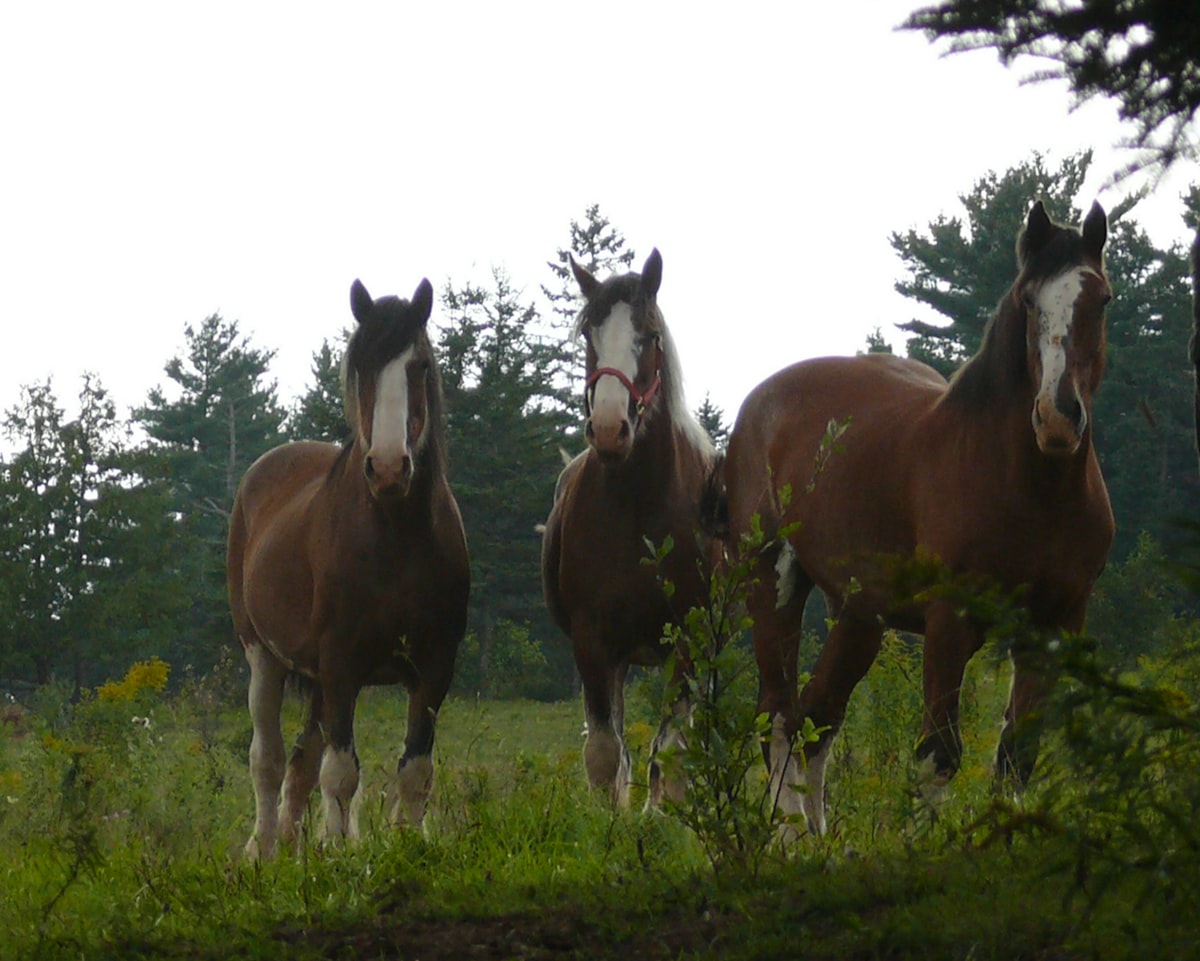
I’ve worked with horses that practically dragged me toward the mounting block and horses that hid in the corner of their stall when they saw a saddle coming. The difference almost always came down to how they’d been treated, trained, and ridden. A horse with a fair rider and proper equipment? They often show genuine enthusiasm. A horse that’s been ridden badly or is in pain? That’s a different animal entirely — sometimes literally.
Signs Your Horse Genuinely Enjoys Riding
Probably should have led with this section, honestly. Horses can’t talk, but they communicate constantly through body language. A horse that’s into their work will show you:
- Ears perked forward or relaxed when you start tacking up — not pinned back
- They’re easy to catch. If a horse walks toward you in the pasture, that tells you something
- Relaxed body language during the ride — loose muscles, swinging back
- Soft eyes and steady breathing throughout
- Responsive cooperation with your cues, not resistance
- Genuine engagement and interest, like perking up on the trail or getting forward approaching a jump
I had a mare once who would nicker every time she saw me grab her bridle. She’d practically stick her head in it herself. That horse loved her job. You could just feel it.
Signs Your Horse Doesn’t Want to Be Ridden
On the flip side, unhappy horses are usually pretty clear about it too:
- Ears pinned flat and tail swishing while you work
- Hard to catch — turns away when you approach with a halter
- Fights the tack. Head tossing, moving away from the saddle, girthy behavior
- Tension through the whole body during rides
- Bucking, rearing, or bolting — these are screaming signals, not “bad behavior”
- Shutting down. Dull eyes, going through the motions. This one’s honestly the saddest
Here’s the thing most people miss: these signs usually point to physical discomfort, bad training, or past trauma — not some inherent hatred of being ridden. A horse that’s acting up is almost always trying to tell you something specific.
What Makes Riding a Good Experience for the Horse
There are some key factors that I’ve seen make the difference between a willing partner and a reluctant one:
Tack that actually fits: I can’t overstate this one. A poorly fitted saddle is like running a marathon in shoes two sizes too small. Bridlework matters too. If your horse is fussy with the bit, check the fit before you check the attitude. Ill-fitting tack causes more behavioral problems than most people realize.
Reasonable workload: Horses enjoy variety. They like having a job, but they don’t want to drill the same exercise for an hour straight any more than you’d want to do the same workout every single day. Mix it up. Keep sessions appropriate for their fitness level.
Training that makes sense to them: Horses trained with patience and positive reinforcement develop trust. They want to cooperate because the experience has been good. Force-based training might get compliance, but it doesn’t get willingness.
Physical health: This is the one that catches people off guard. A horse with dental pain, a sore back, undiagnosed lameness, or ulcers is going to hate being ridden. Not because they hate riding — because it hurts. Always rule out pain before assuming attitude.
The Relationship Is Everything
That’s what makes the horse-rider bond endearing to us equestrians — when it works, it’s this incredible partnership built on mutual trust. Horses are social animals. They form real bonds with the people in their lives, and when a horse trusts their rider and connects riding with positive experiences, they genuinely seem to look forward to it.
I’ve seen horses that were shut down and miserable completely transform once they got a rider who listened to them. It’s not about the riding itself being good or bad. It’s about the entire experience — the relationship, the equipment, the physical comfort, and the training approach all working together.
Pay attention to what your horse is telling you. They’re always communicating. The better you get at listening, the better the riding experience becomes for both of you. And honestly, that’s the whole point.


Leave a Reply