![15 Horse Breeds Perfect for First-Time Riders [2026]](https://horsebesties.com/wp-content/uploads/sites/115/2026/01/horse-129-1200x600.jpg)
Choosing a first horse has gotten complicated with all the opinions flying around on forums and social media.
Before we get into the list, I want to be upfront: the right horse for a beginner has more to do with the individual animal than the breed name on its papers. But breed tendencies are real, and they’re a solid starting point.
What Actually Makes a Horse Good for Beginners?
Probably should have led with this section, honestly. Before we get into specific breeds, here’s what you should be looking for:
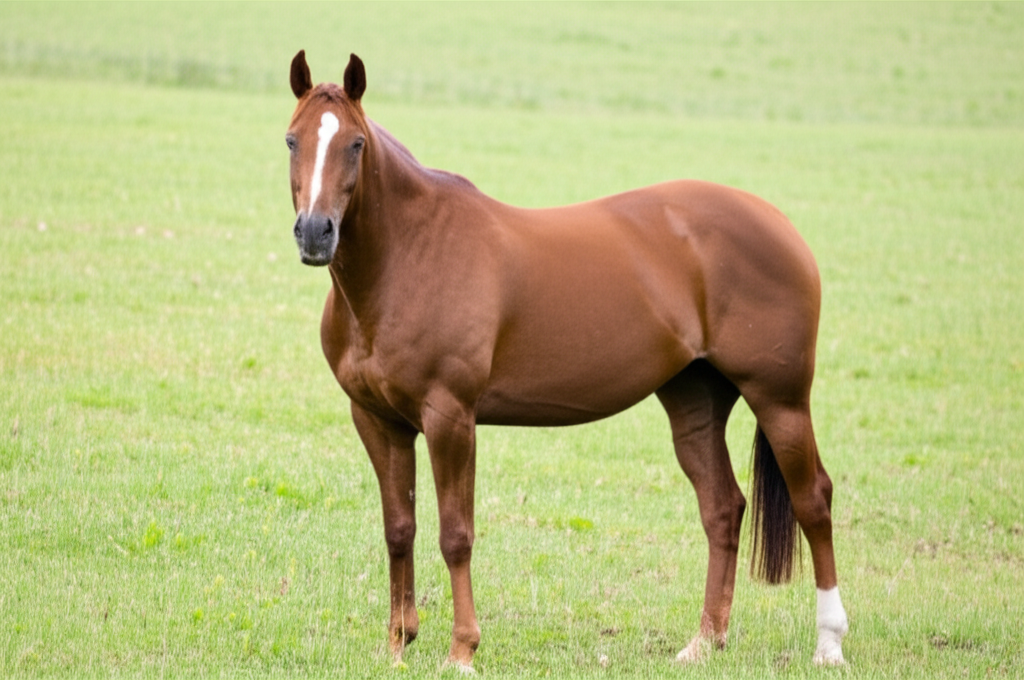
Temperament is everything. I don’t care if you’re looking at a registered champion with an impressive pedigree — if the horse spooks at plastic bags and bolts when a bird flies by, it’s not a beginner horse. You want the words “bombproof,” “steady,” and “unflappable” in the description. Those are your magic words.
A forgiving nature. You’re going to make mistakes. Every new rider does. Unbalanced seats, confusing leg cues, accidentally yanking on the mouth — it happens. You need a horse that shrugs that off instead of having a meltdown about it.
The right size. Bigger isn’t automatically better. Most beginners are comfortable on horses between 14.2 and 16 hands. Tall enough to feel like a real horse, not so tall that getting on is an Olympic event.
Training level trumps everything. I’ll say it again: a well-trained horse of any breed beats an untrained horse of a “beginner-friendly” breed every single time. The American Association of Equine Practitioners has noted that most beginner accidents come from mismatches in experience level between horse and rider. Training matters.
1. American Quarter Horse
There’s a reason the Quarter Horse sits at the top of every beginner list ever written. I’ve worked with dozens of them over the years, and the breed consistently delivers calm, willing horses that just want to do their job and make you happy.
What makes them great for new riders:
- Naturally level-headed — very little phases them
- Incredibly trainable and genuinely eager to please their person
- Stocky, sturdy build gives you a secure feeling in the saddle
- Versatile enough for Western, English, trails, you name it
- Most common breed in the US, so you’ve got plenty to choose from
Size: 14.3-16 hands, 1,000-1,200 pounds
Best for: Trail riding, ranch work, Western pleasure, the all-around family horse
Expect to pay: $3,000-$10,000 for a trained, beginner-suitable horse
2. Paint Horse
American Paint Horses share most of their genetics with Quarter Horses, so you get that same wonderful temperament — just wrapped in a flashy spotted package. I’ve always thought of Paints as Quarter Horses that wanted to stand out at the party.
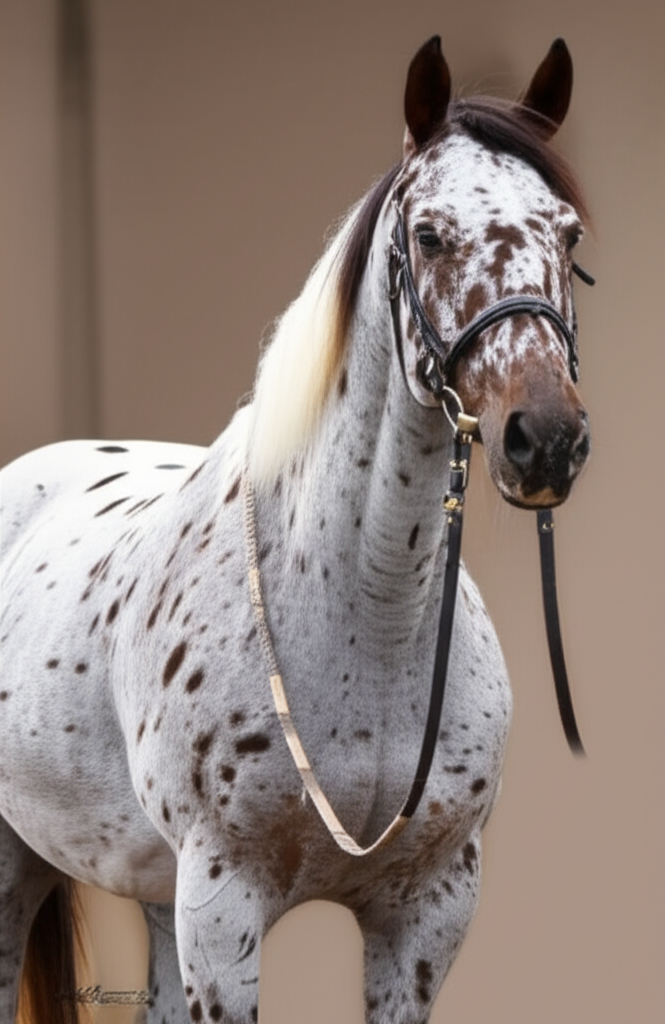
What makes them great for new riders:
- Same Quarter Horse temperament with eye-catching colors
- Calm and friendly right out of the gate
- Wonderful with kids and nervous riders
- Sturdy and sure-footed on trails
Size: 14.2-16 hands, 950-1,200 pounds
Best for: Trail riding, Western disciplines, family horse
Expect to pay: $3,000-$15,000
3. Morgan Horse
America’s first true breed, and there’s a reason Morgans have been around so long. These horses form bonds with their owners that are almost dog-like. They want to be with you, they want to work for you, and they’re remarkably patient with beginners figuring things out.
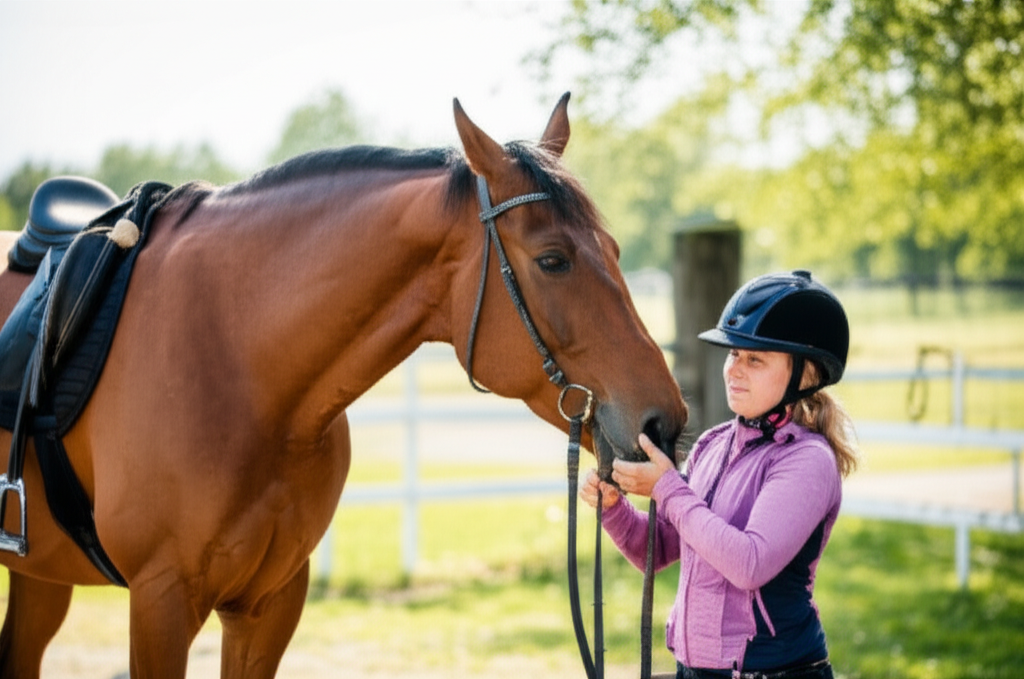
What makes them great for new riders:
- Exceptionally willing — they actually want to please you
- Smart and quick learners, which makes training smooth
- They bond hard with their people
- Smooth, comfortable gaits that are easy on a new rider’s body
- Hardy and easy to keep without a lot of fuss
Size: 14.1-15.2 hands, 900-1,100 pounds
Best for: English or Western riding, driving, trail riding
Expect to pay: $2,500-$10,000
4. Tennessee Walking Horse
If you’ve got a bad back, knee problems, or just don’t love the bouncing of a traditional trot, Tennessee Walkers are going to change your life. Their signature “running walk” is so smooth that riders compare it to sitting in a rocking chair. I’ve put nervous beginners on Walking Horses and watched their fear melt away within minutes.
What makes them great for new riders:
- Those gaits. Seriously, you barely move in the saddle
- Calm and relaxed temperament as a general rule
- Patient with riders who are still figuring out their balance
- Excellent choice for anyone with physical limitations
Size: 15-17 hands, 900-1,200 pounds
Best for: Trail riding, pleasure riding, riders who prioritize comfort
Expect to pay: $2,000-$10,000
5. Missouri Fox Trotter
Another gaited breed that deserves more attention than it gets. The Missouri Fox Trotter has this distinctive “fox trot” gait — the front legs walk while the back legs trot — and it produces an incredibly smooth ride without any of the traditional trot bounce.
What makes them great for new riders:
- Buttery smooth gaits that keep you comfortable for hours
- Calm and gentle by nature
- Sure-footed on trails, even rough terrain
- Outstanding family horses
Size: 14-16 hands, 900-1,200 pounds
Best for: Trail riding, endurance riding, family horse
Expect to pay: $2,500-$8,000
6. Icelandic Horse
Don’t let the smaller stature fool you. Icelandics carry adult riders all day without complaint, and they offer what might be the smoothest ride of any breed thanks to their unique “tolt” gait. I rode one for the first time a few years ago and honestly couldn’t believe how comfortable it was.
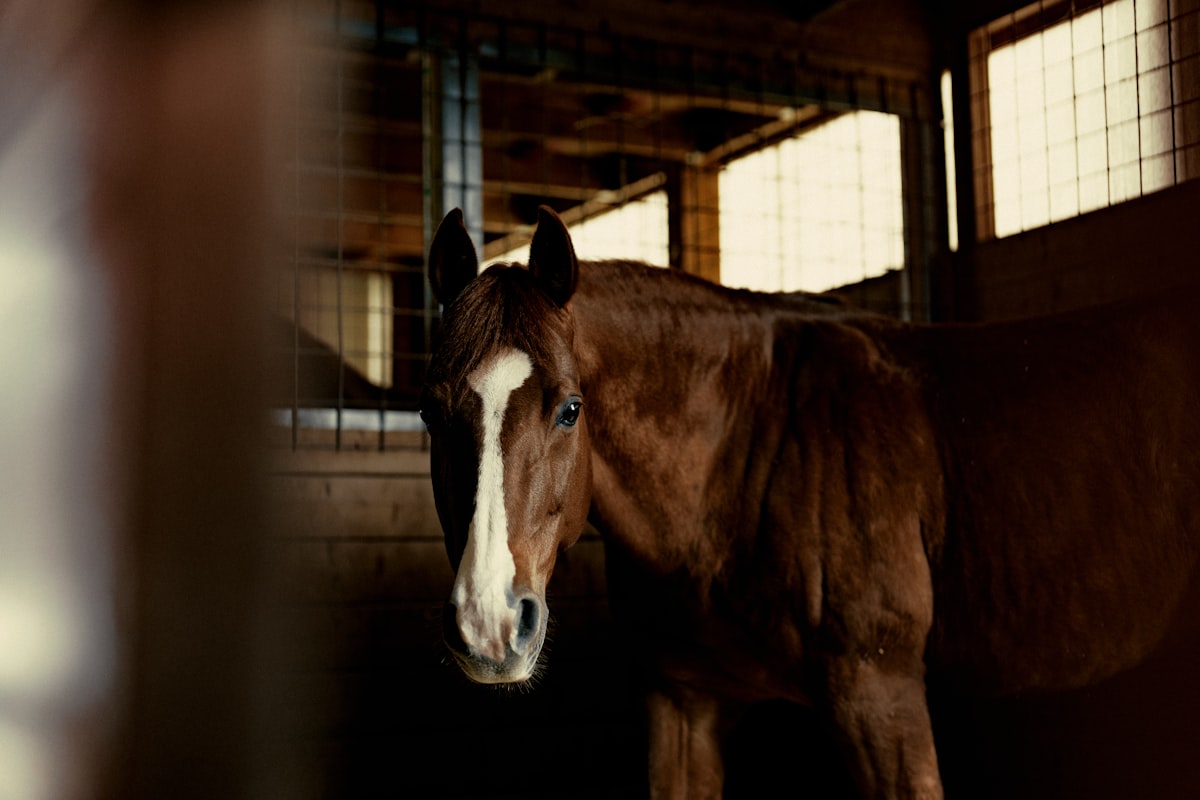
What makes them great for new riders:
- Five different gaits, and the tolt is like floating
- Smaller size is less intimidating if you’re nervous around big animals
- Hardy as they come — these horses survived Icelandic winters for centuries
- Friendly and curious personalities that draw people in
- Rarely spook at things that would send other horses running
Size: 13-14 hands, 730-840 pounds
Best for: Trail riding, riders who prefer a smaller mount
Expect to pay: $5,000-$15,000
7. Haflinger
Those golden Haflingers from Austria — they look like something out of a fairy tale. But they’re not just pretty. They combine pony toughness with real horse ability, and their temperaments are consistently excellent.
What makes them great for new riders:
- Gentle and willing disposition
- Sturdy enough for adult riders despite being on the smaller side
- Easy keepers that don’t need expensive maintenance
- Hardy and sure-footed on any terrain
- Fantastic with kids
Size: 13.2-15 hands, 800-1,300 pounds
Best for: Trail riding, driving, the whole family
Expect to pay: $3,000-$10,000
8. Irish Cob (Gypsy Vanner)
With flowing manes, feathered feet, and dispositions that are about as mellow as it gets, Irish Cobs are often called the ideal family horse. I’ve met a lot of these guys, and the “bombproof” label actually fits.
What makes them great for new riders:
- Genuinely unflappable — they earned that bombproof reputation
- Patient and forgiving when you mess up
- Built solid and strong
- Gorgeous to look at, which doesn’t hurt the motivation to ride
- Wonderful for timid or nervous riders
Size: 13-16 hands, 1,100-1,700 pounds
Best for: Pleasure riding, driving, therapeutic riding programs
Expect to pay: $5,000-$25,000
9. Appaloosa
Spotted coats, versatile abilities, and that Quarter Horse-style temperament make Appaloosas a solid choice for beginners who want something a little different looking. They’re workhorses with personality.
What makes them great for new riders:
- Generally calm and sensible about things
- Versatile enough for whatever discipline you gravitate toward
- Hardy and low-maintenance
- Those spots make them unforgettable
Size: 14.2-16 hands, 950-1,200 pounds
Best for: Western riding, trail riding, showing
Expect to pay: $3,000-$12,000
10. Clydesdale
I know what you’re thinking — those massive Budweiser horses? For a beginner? But hear me out. Clydesdales are some of the gentlest souls you’ll ever meet. Their size is intimidating from the ground, but once you’re up there, it’s like sitting on a couch that happens to walk around.
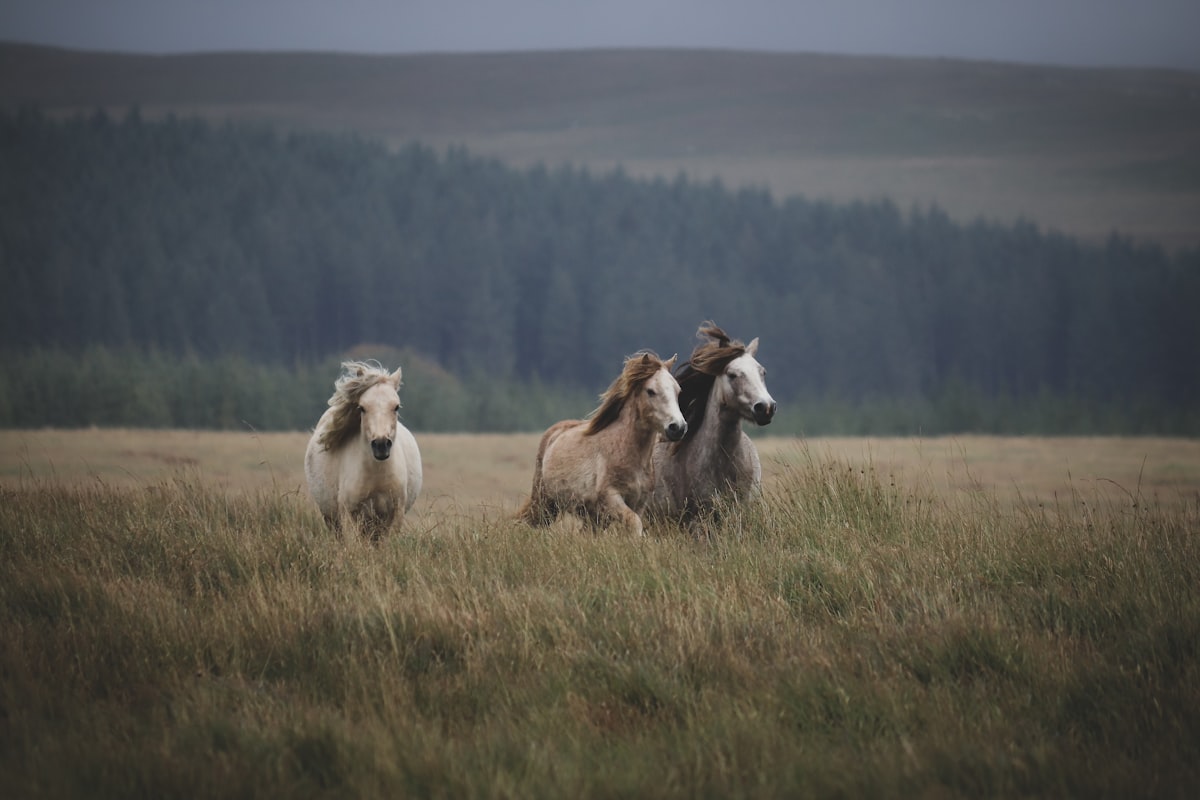
What makes them great for new riders:
- Extremely gentle despite being enormous
- Patience that borders on saintly
- Smoother gaits than you’d expect from something that big
- Much less reactive than many lighter breeds
Size: 16-18 hands, 1,800-2,200 pounds
Best for: Pleasure riding, driving, riders who want to go big
Expect to pay: $2,500-$10,000
11. Norwegian Fjord
That’s what makes Fjords endearing to us horse people — they look like they walked straight out of a Viking saga but act like oversized golden retrievers. These compact, dun-colored horses from Norway are strong, kind, and consistently calm.
What makes them great for new riders:
- Gentle and always willing to try
- Strong enough for adults despite being smaller
- Hardy and simple to care for
- Great for both riding and driving
Size: 13.2-14.2 hands, 900-1,200 pounds
Best for: Trail riding, driving, therapeutic programs
Expect to pay: $5,000-$15,000
12. Kentucky Mountain Saddle Horse
A gaited breed out of the Kentucky mountains that doesn’t get nearly the recognition it deserves. These horses have this smooth ambling gait that makes long trail rides feel effortless, and they’re as gentle as they come.
What makes them great for new riders:
- Smooth gait that’s easy on your body
- Calm and gentle — rarely gets worked up
- Sure-footed on trails, even rocky ones
- Easy to train and handle from day one
Size: 13.2-16 hands, 950-1,200 pounds
Best for: Trail riding, pleasure riding
Expect to pay: $2,500-$8,000
13. Welsh Cob
The biggest of the Welsh breeds, Welsh Cobs pack pony smarts into a horse-sized package. They’re intelligent, kind, and versatile enough to do just about anything you’d want a first horse to do.
What makes them great for new riders:
- Quick learners that respond well to training
- Kind and willing to work with you
- Hardy and won’t break the bank on upkeep
- Great option for children and smaller adults
Size: 13.2-15.1 hands, 900-1,100 pounds
Best for: English riding, driving, kids moving up from ponies
Expect to pay: $3,000-$12,000
14. Percheron
Another gentle giant entry. Percherons are a bit more refined than some other draft breeds — sleeker, more athletic — while keeping that trademark draft horse mellow attitude. They move better under saddle than most people expect.
What makes them great for new riders:
- Calm and docile, basically unshakeable
- Intelligent and willing to learn
- Smoother mover than most draft breeds
- Less physically imposing than some other big drafts
Size: 15.1-18.1 hands, 1,800-2,600 pounds
Best for: Pleasure riding, driving, riders who want some serious size
Expect to pay: $2,000-$10,000
15. Connemara Pony
Ireland’s only native pony breed, and they’re special. Connemaras are athletic enough to compete in jumping and dressage at respectable levels while being calm enough that beginners can enjoy them. They’re the rare breed that grows with you as a rider.
What makes them great for new riders:
- Level-headed temperament you can count on
- Athletic and versatile — won’t limit you as you improve
- Hardy and easy to keep
- Work for children and adults alike
- A horse you won’t outgrow skill-wise anytime soon
Size: 12.2-14.2 hands, 700-900 pounds
Best for: Jumping, dressage, all-around riding
Expect to pay: $4,000-$15,000
Breeds Most Beginners Should Steer Clear Of
Every horse is an individual, and I’ve met calm Thoroughbreds and hot Quarter Horses. But as general rules go, these breeds tend to be more than most beginners can handle:
- Arabians: Brilliant horses, but they can be hot, reactive, and think faster than a new rider can react
- Thoroughbreds: Athletic and sensitive. Most off-track Thoroughbreds need an experienced hand to transition
- Akhal-Tekes: Stunning animals, but they bond intensely with one person and can be aloof or difficult with everyone else
- Mustangs: Unless they’ve been professionally trained and well handled, wild horses are a project for experienced people
The Stuff That Matters More Than Breed
I’m going to be real with you: the most important factors for a beginner horse have nothing to do with what breed name is on the registration papers.
Age: Look for horses between 10-20 years old. A horse in that range has seen enough of the world to be steady and has enough training to know their job inside and out. Young horses are not beginner horses. Period.
Training: A “finished” horse — one that’s been well trained and knows the ropes — of any breed is better than a green horse of a beginner-friendly breed. Ask detailed questions about the horse’s training history and what they’ve been used for.
Soundness: Always, always get a pre-purchase veterinary exam. A horse in pain can go from calm to dangerous fast. Health issues that aren’t apparent on a test ride can turn into serious problems down the road.
Finding Your Horse
When you’re out there looking, here’s my real-world advice:
- Be brutally honest about your experience level and your goals. There’s no shame in being a beginner
- Ride the horse multiple times before you buy. And ride it in different settings if you can
- Ask the seller about everything — history, quirks, medical stuff, what the horse is afraid of
- Get that pre-purchase vet exam. Non-negotiable
- Consider leasing before buying. It’s a great way to test the partnership without the full commitment
- Don’t rush it. The right horse is worth waiting for, and a wrong horse can set you back years
Your first horse shapes your entire journey with these animals. By going with a breed known for calm temperaments and finding an individual with solid training and experience, you’re giving yourself the best possible start. Take your time, do your homework, and enjoy the process of finding your partner.
Sources: American Association of Equine Practitioners, American Quarter Horse Association, The Horse Magazine

Leave a Reply