Approaching horses safely has gotten complicated with all the conflicting advice flying around.
Getting this right matters more than most people think. The way you approach sets the entire tone for everything that follows.
Why Your Approach Matters So Much
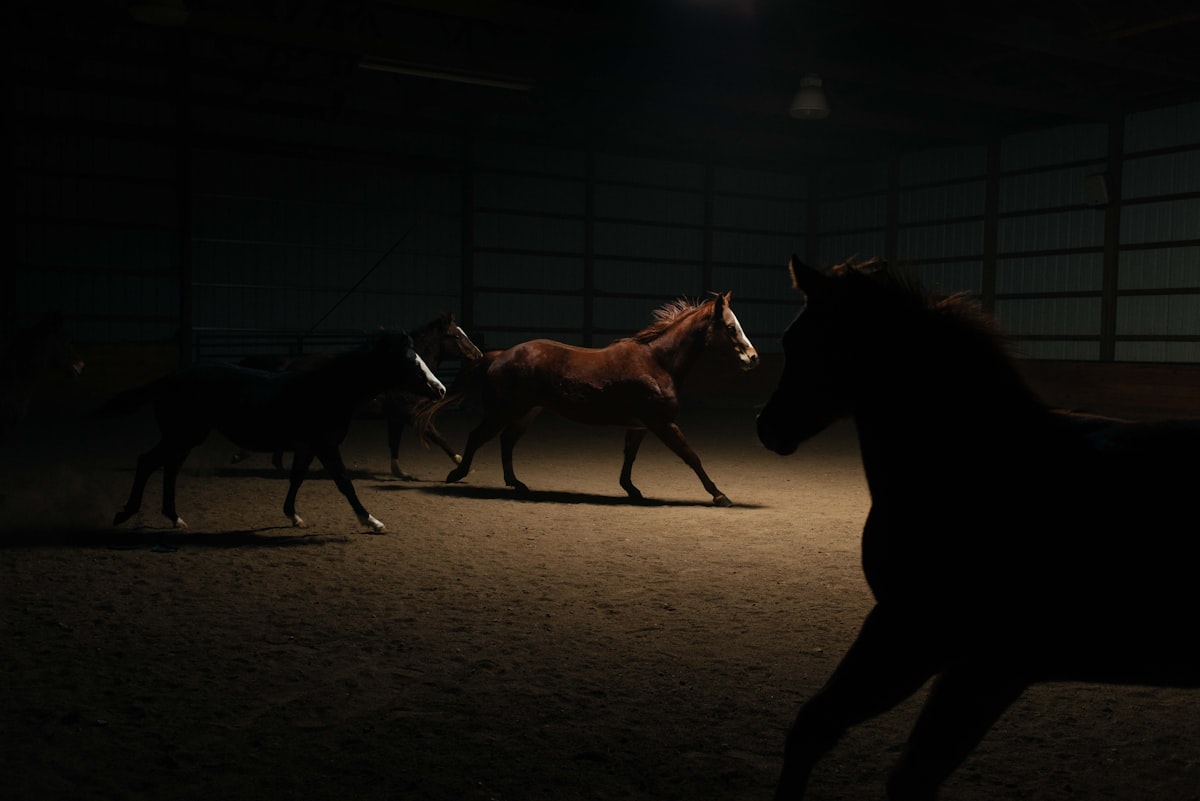
Here’s the thing about horses that a lot of people forget: they’re prey animals. Their brains are wired for one primary directive — don’t get eaten. They’ve got nearly 360-degree vision, but there are two blind spots that trip people up: directly in front of their nose and directly behind their tail. Walk into either of those zones unannounced and even the calmest horse on the planet might kick, strike, or bolt out of pure reflex.
On top of that, horses read body language like we read text messages. They pick up on tension, fear, and intention through the tiniest shifts in your posture and movement. I’ve watched people walk toward a horse with nervous, stiff energy and seen the horse get anxious before the person even got close. Your approach starts before you take the first step.
How to Actually Approach a Horse
Probably should have led with this section, honestly. Here’s the step-by-step that I follow every single time:
Come in at an angle. Walk toward the horse’s shoulder at roughly 45 degrees. This keeps you solidly in their field of vision without coming straight at their face, which a lot of horses read as confrontational. Think about it — in their world, predators approach head-on.
Talk as you walk. Say something. Anything. “Hey there, buddy” works fine. The point is to let the horse hear you coming so there’s no surprise. I’ve made this a habit to the point where I talk to horses in the parking lot before I even get to the barn. Probably looks weird, but it works.
Keep your body loose. Soft shoulders, relaxed arms, no tense movements. And don’t stare directly at them — horses interpret hard eye contact as a threat. Glance, look away, glance back. It sounds silly, but it communicates “I’m not hunting you” in a language they understand.
Pause and let them acknowledge you. Stop a few feet away and wait. A relaxed horse will flick an ear toward you or turn to look. That little acknowledgment is their way of saying “I see you, come on over.” Wait for it before closing the last bit of distance.
Let them sniff your hand. Extend your hand slowly — not toward their face, but low and to the side. Let the horse come to you and investigate. Lots of horses hate having hands shoved at their nose. Let them decide to check you out on their terms.
Reading What the Horse Is Telling You
Before and during your approach, the horse is communicating constantly. Learn to listen with your eyes:
Green lights (you’re good to proceed):
- Ears forward or relaxed out to the sides
- Soft, blinking eyes — no white showing
- Relaxed posture, weight evenly distributed or resting a hind leg
- Head at normal height or dropped low
- Horse turns to face you or actually walks toward you
Red flags (stop or back off):
- Ears pinned flat against the skull
- Wide eyes with the whites showing
- Head up high, neck tense, nostrils flared
- Tail swishing hard or raised up
- Pawing at the ground
- Swinging hindquarters in your direction — this is the big one. They’re positioning to kick
That’s what makes reading horses endearing to us horse people — once you learn the language, you’re having a real conversation before you ever touch them. If you see warning signs, just stop. Talk softly. Give them space and time. Never push an interaction with a horse that’s telling you no.
Different Situations, Different Approaches
In a stall: Talk before you even open the door. Let them hear your voice, wait for them to turn and look at you, then enter calmly. Head to their shoulder. And always — always — know where your exit is. A confined space with a 1,000-pound animal means you need to be aware of your escape route.
Out in the pasture: Walk calmly toward the shoulder. If they move away, stop. Don’t chase. Chasing a horse in a pasture is the fastest way to create a horse that’s impossible to catch. I’ve fixed this problem for people more times than I can count, and the fix always starts with not chasing.
In a herd: Watch the group dynamics. The horse you’re walking toward might suddenly move because another horse just pinned its ears at them. Don’t walk between two horses that look tense with each other. That’s a great way to get caught in the middle of someone else’s argument.
A horse you don’t know: Ask the owner first. Always. Some horses have histories that make them reactive to certain things, or they have specific handling quirks you’d have no way of knowing about. A quick “is it okay to pet your horse?” takes three seconds and could save you a trip to the ER.
What to Do When a Horse Plays Hard to Get
Some horses bolt the second they see a halter. I get it — it’s frustrating. But here’s how you turn it around over time:
- Visit them sometimes without a halter. Just walk up, pet them, hang out for a minute, and leave. Make approaching humans a good thing, not just a “time to work” thing
- Bring a treat every now and then. Positive associations add up
- Don’t only catch them for unpleasant stuff. If the only time you show up is for the farrier or the vet, can you blame them for running?
- Practice approach training in a smaller space first — a round pen or small paddock — before trying it in a big open field
- Never chase. Ever. Chasing just reinforces that running away from you is the right call
Teaching Kids the Right Way
If you’ve got children around horses, this stuff isn’t optional — it’s critical. Kids should learn proper approach before they ever touch a horse. Supervise closely and make sure they understand:
- Always have an adult with you around horses
- Walk. Every time. Running around horses is a non-starter
- Quiet voice, smooth movements
- Never come up from behind
- Always ask before touching someone else’s horse
The good news is that proper approach becomes second nature really fast with practice. After a few weeks, you won’t even think about it anymore — you’ll just do it right automatically. And that’s the foundation for everything else in safe horse handling.



Leave a Reply