Every horse owner wants their equine companion to be happy and healthy. But horses can’t tell us in words how they feel, so it’s up to us to learn their language. Understanding the physical and behavioral signs of a content, thriving horse helps you provide better care and catch problems early. Resistance to bridling or contact deserves the checks in our horse bit-fussing and fit guide.
Physical Signs of Good Health

A healthy horse displays certain physical characteristics that indicate their body is functioning properly:
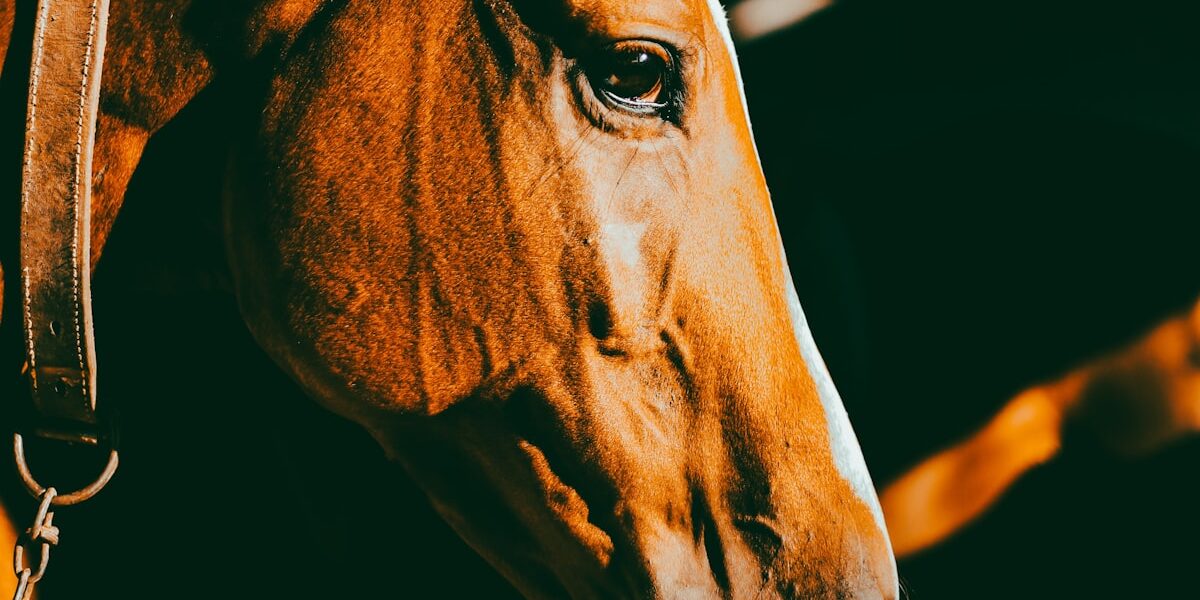
Bright, clear eyes: Healthy eyes are alert and clear, without excessive tearing, cloudiness, or discharge. The area around the eyes should be free of swelling.
Shiny coat: A healthy coat has a natural sheen that comes from proper nutrition and natural oil production. The coat should lie flat without bald patches, excessive dandruff, or signs of skin irritation.
Good body condition: You should be able to feel but not prominently see the ribs. The horse shouldn’t be too thin (ribs visible, prominent hip bones) or too heavy (ribs difficult to feel, cresty neck).
Sound movement: Healthy horses move freely without limping, stiffness, or reluctance. They should weight their legs evenly and move with a regular rhythm at all gaits.
Healthy hooves: Hooves should be free of cracks, chips, and strong odors. The frog should be firm and rubbery, not mushy or covered in black, foul-smelling discharge that indicates thrush.
Normal vital signs: Learn your horse’s baseline vital signs. Normal ranges are: temperature 99-101°F, pulse 28-44 beats per minute at rest, and respiration 8-16 breaths per minute at rest.
Behavioral Signs of Happiness
Beyond physical health, emotional contentment shows through behavior:
Relaxed posture: A happy, relaxed horse stands with their weight evenly distributed, head at a comfortable height, and muscles soft. One hind leg may rest with the toe touching the ground.
Soft eyes: Relaxed horses have soft, half-closed eyes that may blink slowly. Tension shows as wide eyes with visible whites.
Forward or relaxed ears: Ears that are forward show interest; ears that rotate softly indicate the horse is relaxed and monitoring their surroundings. Pinned ears signal discomfort or aggression.
Willingness to engage: Happy horses show interest in their handlers. They may walk toward you in the pasture, nicker when you arrive, or follow you with their eyes.
Good appetite: Healthy, content horses eat well and drink adequate water. Sudden changes in appetite often signal physical or emotional problems.
Normal social behavior: In a herd, happy horses engage in mutual grooming, stand near companions, and maintain stable friendships without excessive conflict.
Signs of Contentment While Being Ridden
When working with your horse, look for signs they’re enjoying themselves:
- Ears that move and occasionally flick back to listen to you
- A swinging, relaxed tail
- Soft, rhythmic breathing
- Willingness to move forward
- Acceptance of contact on the bit
- Snorting or blowing (often signals relaxation)
- Licking and chewing after releasing tension
Warning Signs Something Is Wrong
Learn to recognize signs that your horse may be unwell or unhappy:
Physical warning signs:
- Lethargy or depression
- Loss of appetite or excessive thirst
- Weight loss or gain
- Nasal discharge or coughing
- Diarrhea or lack of manure
- Lameness or reluctance to move
- Rolling excessively (can indicate colic)
Behavioral warning signs:
- Aggression toward people or horses
- Cribbing, weaving, or other stereotypic behaviors
- Withdrawal from herd or handlers
- Excessive spookiness or anxiety
- Resistance to handling or riding
Supporting Your Horse’s Wellbeing
To keep your horse happy and healthy:
- Provide adequate forage – horses need to graze or eat hay most of the day
- Ensure access to clean water and shelter
- Allow social interaction with other horses when possible
- Maintain a consistent routine
- Provide appropriate exercise and mental stimulation
- Schedule regular veterinary and farrier care
- Address problems promptly before they escalate
By learning to read your horse’s signals and providing attentive care, you’ll build a relationship based on trust and mutual understanding. A happy horse is a joy to be around – and they’ll show you their contentment in countless small ways.


Leave a Reply