Choosing a horse breed has gotten complicated with all the opinions flying around — everybody’s got a favorite, and they’ll tell you theirs is the best. For current asking-price context and buyer checks, see our 2026 Arabian horse cost guide.
With over 300 breeds worldwide, we’re going to focus on 15 of the most popular ones and what actually makes each one special.
Light Horse Breeds
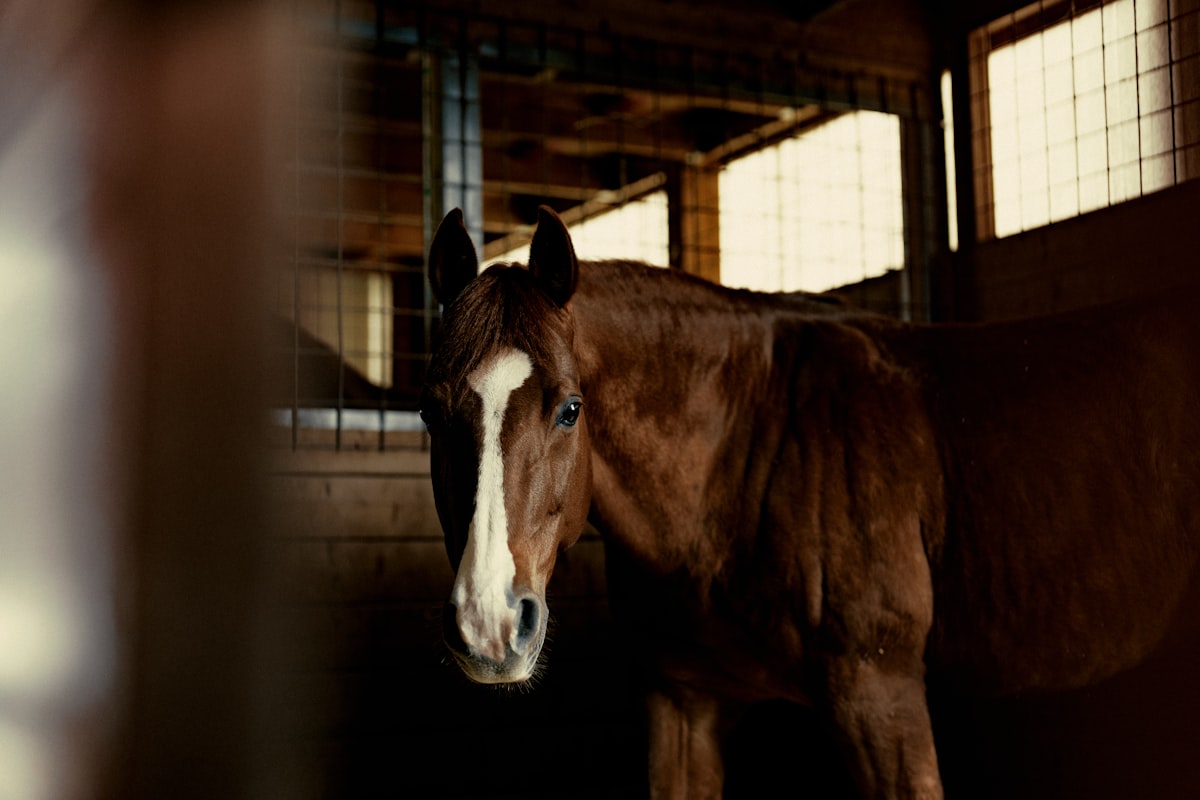
Light horses are what most people picture when they think “horse.” They’re bred for riding, racing, and lighter work, usually standing between 14 and 17 hands and weighing 900 to 1,400 pounds. This is where most of the action is.
1. Thoroughbred
The Thoroughbred is probably the most famous horse breed on the planet, and for good reason. They were developed in England during the 17th and 18th centuries by crossing local mares with Arabian, Turkoman, and Barb stallions. The result? The ultimate athlete.
What they’re like: Thoroughbreds stand 15.2 to 17 hands with lean, athletic builds built for speed. Long legs, deep chests, and the kind of intelligence that keeps you on your toes. Common colors are bay, chestnut, black, and gray. They’re sensitive, reactive, and incredibly competitive — which is exactly what you want on a racetrack.
Where they shine: Racing, polo, show jumping, eventing, dressage. These horses dominate competitive sport at every level.
Fair warning: Thoroughbreds can be hot. They’re not typically a beginner’s horse. But many off-track Thoroughbreds make incredible second-career horses with the right retraining and a confident rider.
2. Arabian
Probably should have led with this section, honestly, because the Arabian is one of the oldest breeds in existence. Bedouin tribes developed these horses on the Arabian Peninsula thousands of years ago for endurance in brutal desert conditions. The result is a breed that’s beautiful, loyal, and can run forever.
What they’re like: You can spot an Arabian from across a field — that dished face, the high-set tail, the refined features. They stand 14.1 to 15.1 hands. Fun fact: Arabians have one fewer vertebra than other horses, giving them that distinctive short, strong back. Their endurance is legendary.
Where they shine: Endurance riding is where Arabians absolutely crush it. But they’re also great at dressage, pleasure riding, and showing. They form incredibly strong bonds with their owners.
Fair warning: Arabians are smart — sometimes too smart for inexperienced handlers. They’ll test you if they think they’re smarter than you (and they might be). But for a dedicated owner, there’s no more loyal horse.
3. Quarter Horse
America’s horse. Period. The Quarter Horse was developed in colonial America for cattle work and short-distance racing, and today there are more registered Quarter Horses than any other breed. The name comes from their ability to blow past everything at a quarter mile.
What they’re like: Compact, muscular, with hindquarters that look like they were carved by a sculptor. They stand 14 to 16 hands. But the real magic is the temperament — calm, willing, sensible. I’ve put countless beginners on Quarter Horses and they just handle it.
Where they shine: Western riding, ranch work, barrel racing, roping, trail riding. Honestly, name a discipline and a Quarter Horse has probably won at it.
Fair warning: Some bloodlines carry genetic conditions like HYPP. Always ask about testing when buying. But as a breed, they’re one of the healthiest and most versatile out there. Compare current listings, paperwork and buyer checks in our Quarter Horse price guide.
4. Morgan
Every single Morgan horse alive today traces back to one stallion — a horse named Figure, later called Justin Morgan. That’s remarkable when you think about it. This one horse was so exceptional that he founded an entire breed. And Morgans still carry that same compact strength, endurance, and people-oriented personality.
What they’re like: Standing 14.1 to 15.2 hands with a proud carriage and expressive face. Morgans are the dogs of the horse world — they genuinely want to be around people. They mature quickly and stay active well into old age.
Where they shine: Driving, dressage, trail riding, Western work, pleasure riding. They’re the ultimate family horse if you want something versatile and personable.
Fair warning: Morgans get bored with routine. Keep things varied, and they’ll give you their best. Drill the same exercise every day and they’ll start inventing their own entertainment.
5. Paint Horse
Take everything I said about Quarter Horses and add dramatic spots. American Paints share most of their genetics with Quarter Horses, so you get that same solid temperament in a package that turns heads everywhere you go.
What they’re like: Standing 14.2 to 16 hands with stock-type builds. Coat patterns include tobiano, overo, and tovero, each with different marking distributions. Same calm, sensible mind as their Quarter Horse cousins.
Where they shine: Western riding, trails, showing, ranch work. Their beauty and good nature make them hugely popular as pleasure horses.
Fair warning: Some overo patterns carry a gene for lethal white syndrome. Responsible breeders test for this. Always ask.
Warmblood Breeds
Warmbloods are what you get when you cross hot-blooded breeds like Arabians and Thoroughbreds with cold-blooded draft horses. The idea was to create a horse with athletic ability for sport and enough calmness for regular riders. Mission accomplished.
6. Dutch Warmblood (KWPN)
The Dutch figured out sport horse breeding better than just about anyone. Their warmblood program consistently produces horses that dominate at the highest levels of dressage and show jumping. The selection criteria are intense, and the results show.
What they’re like: Standing 16 to 17 hands, elegant and athletic with movement that makes dressage judges weep. Most are bay, black, brown, or gray. Their trainability makes them accessible to serious amateurs, not just professionals.
Where they shine: Dressage and show jumping at the international level. Combined driving too.
Fair warning: Quality Dutch Warmbloods aren’t cheap. And they need skilled training to reach their potential. But if you’re serious about sport horses, this breed delivers.
7. Hanoverian
Germany’s flagship warmblood. Hanoverians have been bred since the 18th century in Lower Saxony, originally as coach horses and military mounts. Modern breeding has focused entirely on producing world-class sport horses, and it’s working.
What they’re like: Standing 15.3 to 17.1 hands with powerful, elegant builds. Known for their intelligence and willingness to cooperate. They move like they own the arena — powerful gaits with real presence.
Where they shine: Dressage, show jumping, eventing. Their even temperaments make them popular with ambitious amateurs who want to compete seriously.
Fair warning: Like most warmbloods, they need consistent work and training. And yes, they’re a significant financial investment.
Gaited Breeds
That’s what makes gaited breeds endearing to us horse people — they’ve got these natural four-beat gaits beyond the standard walk, trot, and canter that make long rides feel like sitting on a cloud instead of a jackhammer.
8. Tennessee Walking Horse
Bred in the southern United States for plantation owners who needed to ride all day checking on crops without destroying their backs. The Tennessee Walker’s signature running walk is one of the smoothest gaits in the horse world — and it can cover serious ground at 10-20 mph.
What they’re like: Standing 15 to 17 hands with long, sloping shoulders and temperaments that are about as laid-back as horses get. Riders literally say you can carry a glass of water at their running walk and not spill a drop.
Where they shine: Trail riding, pleasure riding, and showing. Perfect for riders with back issues or anyone who values comfort on long rides.
Fair warning: The show world has faced some ugly controversies around abusive training practices. Support ethical breeders and trainers who do things the right way.
9. Icelandic Horse
Isolated on an island for over 1,000 years, these horses evolved into something completely unique. They’re small — technically pony-sized by height — but don’t you dare call them ponies in front of an Icelander. They’ve got five natural gaits, including the famous tolt.
What they’re like: Standing 12.2 to 14.2 hands with thick coats, sturdy builds, and personalities that charm everyone they meet. That tolt gait feels like gliding. The pace — a fast lateral gait — is used for racing and it’s thrilling to watch.
Where they shine: Trail riding, endurance, pleasure riding, showing. They attract a devoted following worldwide, and I totally understand why.
Fair warning: Once an Icelandic horse leaves Iceland, it can never go back — disease prevention laws. On the plus side, these horses routinely live and remain rideable into their 30s.
Draft Breeds
The gentle giants. Draft horses were bred for heavy pulling — farm work, logging, hauling. They’re enormous and they look intimidating, but most of them are the sweetest animals you’ll ever meet.
10. Clydesdale
Most people know Clydesdales from Budweiser commercials, but there’s so much more to the breed. They originated in Scotland’s Lanarkshire region and combine impressive size with this surprisingly elegant way of moving.
What they’re like: Standing 16 to 18 hands, weighing 1,800 to 2,200 pounds, with those signature feathered legs and flashy high-stepping action. Most are bay with big white markings. Despite their size, they’re genuine softies.
Where they shine: Driving, parades, pleasure riding, promotional events. Their gentle nature surprises people when they actually get close to one.
Fair warning: All that leg feathering needs regular maintenance or you’ll deal with skin problems. And feed costs are higher than lighter breeds — they eat accordingly.
11. Percheron
The French entry in the draft category, and probably the most popular draft breed worldwide. Percherons are more refined than some other drafts — think athletic rather than just big. They were the backbone of French agriculture and later became essential for heavy hauling in America.
What they’re like: Standing 15 to 19 hands (huge range, I know) and weighing 1,800 to 2,600 pounds. Unlike some drafts, they have minimal feathering, which makes grooming a lot easier. Most are gray or black with intelligent, refined heads.
Where they shine: Driving, farm work, riding, logging. More athletic than most drafts, which makes them surprisingly versatile.
Fair warning: They need space and food proportional to their size. But smaller Percherons are getting more popular as riding horses, and they’re fantastic.
12. Belgian
The most common draft breed in America and the heaviest of the popular drafts. Belgians are absolute workhorses — the breed was built for pulling, and they still dominate pulling competitions today.
What they’re like: Standing 16 to 17 hands, weighing 1,800 to 2,200+ pounds. American Belgians are typically that distinctive chestnut with blonde manes and tails. European Belgians come in more variety. Temperament-wise, they’re docile and hardworking.
Where they shine: Pulling, farm work, driving, and increasingly in therapeutic riding programs where their calm temperament is a real asset.
Fair warning: They’re massive. You need facilities that can handle their size and handlers who know what they’re doing for basic care.
Pony Breeds
Ponies — anything under 14.2 hands — get overlooked by adult riders, but they play a huge role in youth programs and they’ve got their own dedicated following. Don’t underestimate them.
13. Welsh Pony
From the hills of Wales, Welsh ponies come in several sizes from the small Welsh Mountain Pony to the bigger Welsh Cob. They’re hardy, versatile, and way more athletic than their size suggests.
What they’re like: Standing 11 to 14.2 hands depending on section, with attractive heads and impressive movement for their size. They’re competitive in surprising ways.
Where they shine: Children’s riding, driving, showing, and jumping. The larger Welsh Cobs also work great for adult riders.
Fair warning: Some Welsh ponies have that classic pony attitude — strong-willed and clever. They need riders who won’t let them take over. And they’ll get fat if you overfeed them.
14. Shetland Pony
Tiny, cute, and pound for pound one of the strongest equines alive. Shetlands came from Scotland’s Shetland Islands, and they’ve got personalities that are about ten times bigger than their bodies.
What they’re like: Under 10.2 hands with thick coats and sturdy builds in virtually every color. They look adorable, but don’t be fooled — these little guys are smart and they know it.
Where they shine: Leading-rein riding for tiny kids, driving, and as companions. They’ve even found a role as guide animals for the visually impaired.
Fair warning: Shetlands can be stubborn. They need firm, fair handling from someone who won’t cave to the cute factor. Diet management is critical too — they’re prone to obesity and laminitis.
15. Connemara
Ireland’s only native pony breed, forged in the harsh conditions of western Ireland. Connemaras are athletic enough to compete seriously against full-sized horses while maintaining that pony toughness and common sense.
What they’re like: Standing 12.2 to 14.2 hands with athletic builds and jumping ability that puts some horses to shame. Most are gray, though other colors occur. Temperament-wise, they’re the goldilocks of ponies — smart and willing without being difficult.
Where they shine: Jumping, eventing, dressage, children’s riding. They punch way above their weight in competition.
Fair warning: Good Connemaras command serious prices because demand is high. And they can outgrow young riders faster than expected.
So How Do You Choose?
After years of working with all these breeds, here’s my honest advice: think about your experience level, what you want to do, and what’s practical for where you live. Climate, facilities, and budget all matter.
But remember this — individual temperament varies wildly within every breed. The most important thing isn’t finding the perfect breed. It’s finding the right individual horse that matches your abilities and your goals. A well-trained horse of any breed beats an untrained horse of the “right” breed every time.
Take your time, spend real time with potential horses, and consider working with a trainer to find the match that’ll make both of you happy. The right horse-human partnership is worth getting right.
If the Gypsy Vanner is on your shortlist, use our Gypsy Vanner cost and buyer guide to evaluate current asking prices, registration and vetting.


Leave a Reply