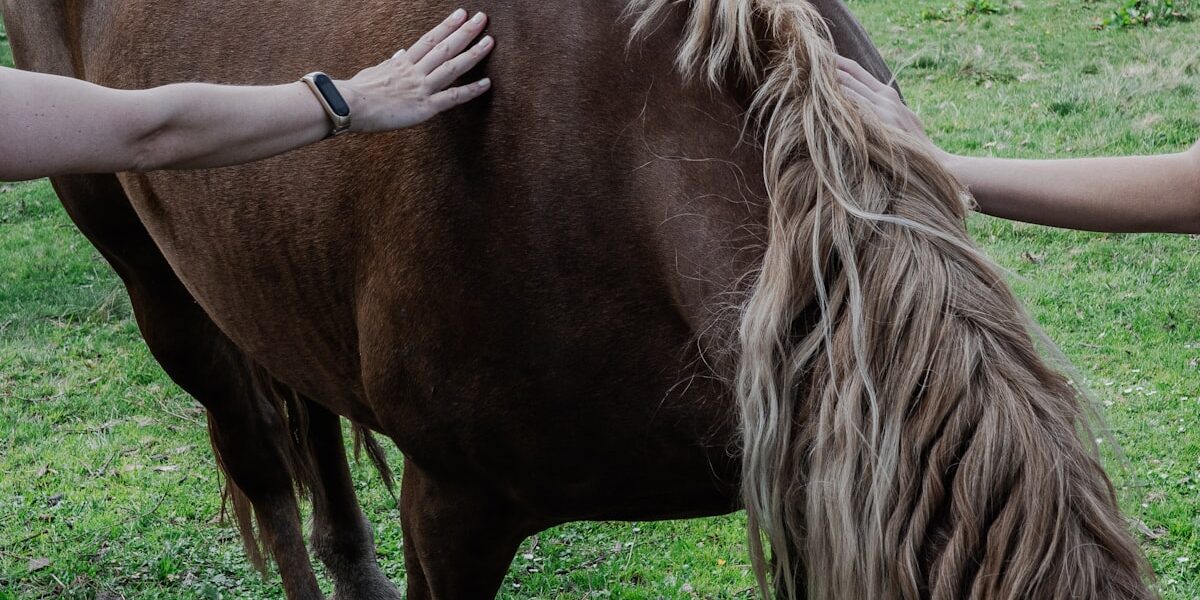
Horse care requirements change with the seasons. Temperature, weather, daylight hours, and pasture conditions all affect your horse’s health and management needs throughout the year. This comprehensive guide helps you anticipate and prepare for seasonal changes, keeping your horse healthy and comfortable no matter the weather.
Spring Horse Care
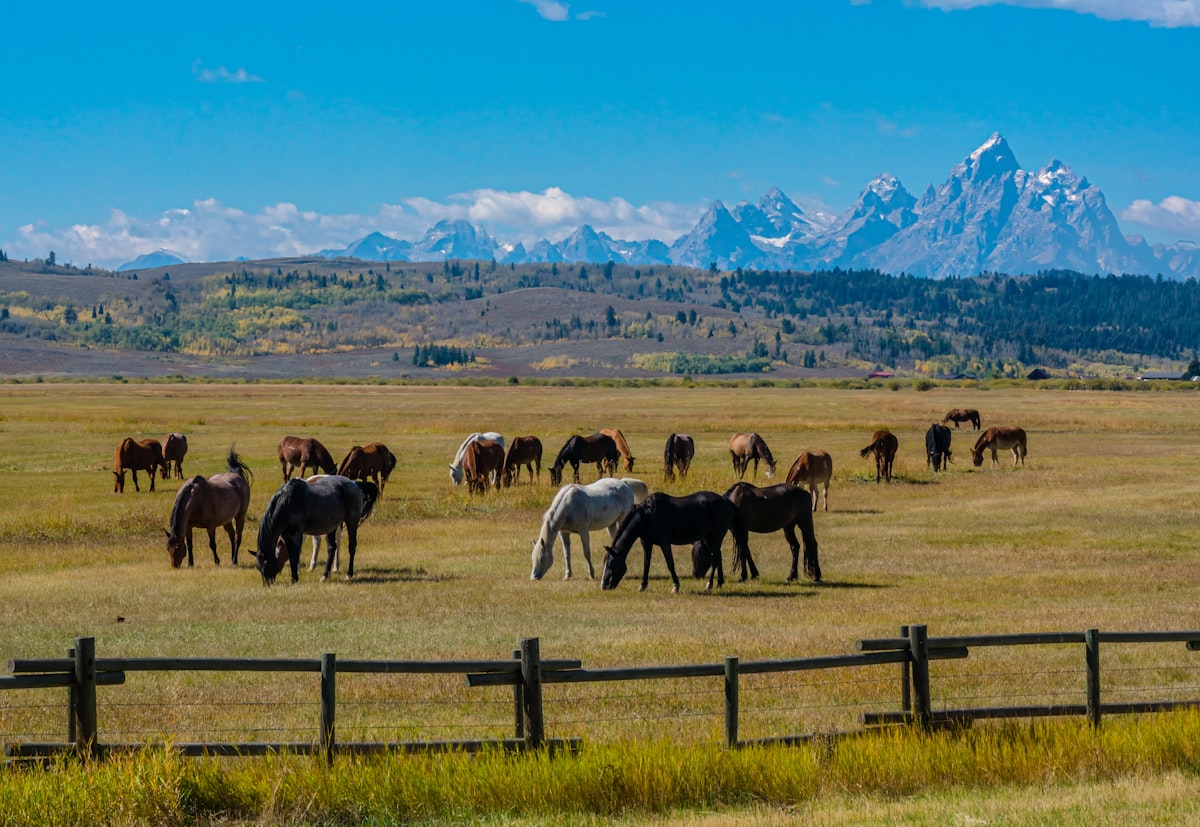
Spring brings welcome warmth after winter, but it also brings unique challenges for horse owners. The transition from cold weather management to warmer conditions requires careful attention.
Transitioning to Pasture
One of spring’s greatest dangers is lush, rapidly growing grass. Horses that have eaten hay all winter are especially susceptible to digestive upset when suddenly exposed to rich spring pasture. Even worse, the high sugar content in spring grass can trigger laminitis in susceptible horses.
Transition to pasture gradually:
- Begin with 15-20 minutes of grazing per day
- Increase grazing time by 15-minute increments every few days
- Continue feeding hay during the transition
- Limit grazing during peak sugar times (sunny afternoons)
- Watch for signs of digestive upset or foot sensitivity
Horses prone to laminitis may need grazing muzzles or limited turnout on grass throughout the spring and summer.
Spring Deworming
Traditional deworming schedules often recommend spring treatment as parasite burdens increase with warming temperatures. However, modern best practices emphasize targeted deworming based on fecal egg counts rather than routine treatment.
Work with your veterinarian to:
- Perform fecal egg counts to assess parasite burden
- Deworm only when necessary based on test results
- Target dewormers to specific parasites present
- Monitor effectiveness with follow-up testing
This approach reduces chemical exposure, slows resistance development, and saves money on unnecessary treatments.
Spring Vaccinations
Most vaccination schedules include spring boosters before mosquito season begins. Core vaccinations typically include:
- Eastern and Western Equine Encephalomyelitis
- Tetanus
- West Nile Virus
- Rabies
Risk-based vaccinations depend on your location and horse’s activities. Discuss your specific needs with your veterinarian.
Shedding Season
Horses shed their thick winter coats in spring, sometimes leaving them looking rough and patchy. Support shedding with:
- Daily currying to remove loose hair and stimulate skin
- Shedding blades for heavy shedding periods
- Adequate nutrition to support coat health
- Patience—shedding can take several weeks
Summer Horse Care
Summer heat presents different challenges than winter cold. Keeping horses cool, hydrated, and protected from insects becomes the priority.
Managing Heat
Horses generate significant internal heat, especially during exercise, and can overheat in humid conditions when they can’t effectively dissipate heat through sweating.
Heat management strategies include:
Water: Ensure unlimited access to fresh, clean water. Horses drink 5-10 gallons daily under normal conditions but may need double that in hot weather. Check water sources frequently.
Shade: Provide shelter or shade in turnout areas. Even a run-in shed or tree shade makes a significant difference.
Air movement: In barns, maximize ventilation with fans and open doors. Stagnant air holds heat and humidity.
Work timing: Exercise during cooler morning or evening hours. Monitor recovery after work—prolonged heavy breathing or elevated heart rate indicates overheating.
Cooling: After exercise, cool horses with water, focusing on areas with large blood vessels (head, neck, between legs). Scrape off excess water and repeat until breathing normalizes.
Fly and Insect Control
Summer brings biting flies, mosquitoes, gnats, and other insects that cause irritation and transmit diseases. A multi-pronged approach works best:
Environmental control:
- Remove manure from pastures regularly
- Eliminate standing water where mosquitoes breed
- Use fly predators—tiny wasps that parasitize fly larvae
- Keep barn areas clean and dry
Physical barriers:
- Fly masks protect eyes and faces
- Fly sheets protect sensitive horses
- Fly boots protect legs
- Fans in stalls create air movement flies avoid
Chemical control:
- Apply fly spray according to product directions
- Use spot-on treatments for longer protection
- Feed-through fly control can reduce flies in manure
Hoof Care in Summer
Summer conditions affect hooves differently depending on your climate. Dry conditions may cause brittle, cracking hooves, while wet conditions promote thrush and white line disease.
Maintain regular farrier visits every 6-8 weeks and address problems promptly. Hoof conditioners can help in dry climates, while keeping stalls clean and dry helps in humid areas.
Fall Horse Care
Fall is a time of preparation, getting horses ready for winter while taking advantage of cooler riding weather.
Building Winter Coat
As daylight hours decrease, horses begin growing their winter coats. Natural light exposure regulates this process through melatonin production. If you want to maintain a shorter coat for showing, blanketing and artificial light (16 hours daily) will suppress winter coat growth.
For horses kept naturally, fall is the time to assess body condition. Horses should enter winter in good flesh, as they’ll burn extra calories maintaining body temperature in cold weather.
Fall Feeding Adjustments
As pasture quality declines, begin supplementing with hay before grass becomes inadequate. A gradual transition prevents digestive upset and ensures horses maintain condition.
Fall is also a good time to have hay tested for nutritional content. Knowing your hay’s quality helps you determine whether additional supplementation is needed through winter.
Fall Health Check
Schedule a fall veterinary visit to address issues before winter complicates care:
- Dental exam—horses need effective chewing to digest winter hay
- Sheath cleaning for geldings
- Assessment of any chronic conditions
- Vaccination boosters if needed
- Fecal testing for parasites
Facility Preparation
Before cold weather arrives:
- Check and repair fencing before snow covers hazards
- Service heated water systems
- Stock up on hay and bedding
- Clean and repair blankets
- Ensure adequate shelter
- Improve drainage in high-traffic areas
Winter Horse Care
Winter care focuses on providing adequate nutrition, water, and shelter while maintaining appropriate exercise and preventing cold-weather health issues.
Winter Nutrition
Horses need more calories in cold weather to maintain body temperature. The most effective way to help horses stay warm is feeding additional forage—digesting fiber generates internal heat.
Guidelines for winter feeding:
- Increase hay by 10-20% during cold snaps
- Feed hay before grain to maximize heat production
- Provide free-choice hay for horses in extended cold
- Monitor body condition—feel through winter coat to assess
- Adjust feeding based on weather, not the calendar
Water in Winter
Dehydration and impaction colic are serious winter risks. Horses often drink less when water is ice-cold, so warming water to 45-65°F encourages adequate intake.
Options for winter water include:
- Heated automatic waterers
- Tank heaters for stock tanks
- Heated buckets
- Breaking ice multiple times daily (least effective)
Check water sources daily regardless of method—heaters can malfunction and automatic waterers can freeze.
Blankets: To Use or Not
Healthy horses with natural winter coats generally don’t need blankets. Their coats insulate effectively when allowed to fluff and trap air. Blanketing can actually cause problems by flattening the coat and preventing natural insulation.
Horses that may need blankets:
- Clipped horses
- Very young or very old horses
- Horses in poor body condition
- Horses without adequate shelter
- Horses with medical conditions affecting thermoregulation
- Horses moving from warmer to colder climates
If you blanket, use appropriate weight for conditions and remove blankets periodically to check for rubs and assess body condition.
Winter Exercise
Regular exercise remains important in winter, but conditions require adaptation:
- Allow longer warm-up time for cold muscles
- Cool horses completely before returning to stalls
- Modify footing expectations—frozen ground is hard, snow can hide hazards
- Consider arena or indoor work when conditions are unsafe
- Maintain some exercise even if just hand-walking
Winter Hoof Care
Ice and snow create unique hoof challenges:
- Snow can pack into hooves, creating uncomfortable “snowballs”
- Ice is slippery, especially for shod horses
- Frozen ground is hard on bare hooves
Options include snow pads, hoof boots, removing shoes for winter, or studded shoes for icy conditions. Discuss options with your farrier based on your horse’s needs and conditions.
Year-Round Considerations
Some aspects of horse care remain constant regardless of season:
Daily observation: Check your horse daily for signs of illness or injury. Early detection prevents small problems from becoming big ones.
Regular farrier care: Maintain a 6-8 week schedule year-round. Hooves grow slower in winter but still need attention.
Dental care: Annual dental exams catch problems before they affect eating and digestion.
Mental health: Horses need social interaction and mental stimulation year-round. Isolation and boredom contribute to behavioral problems in any season.
By anticipating seasonal needs and preparing in advance, you can keep your horse healthy and comfortable throughout the year. Each season brings its own joys—embrace the variety and adjust your care accordingly.

Leave a Reply