Reading horse body language has gotten complicated with all the oversimplified infographics flying around. When those signals escalate into shying or flight, use our horse-spooking causes and safety guide.
Once you learn to read this stuff, your entire relationship with horses changes. I’m not exaggerating.
Why You Need to Learn This
Horses are prey animals that survived millions of years by communicating silently and efficiently within their herds. They developed this incredibly rich vocabulary of physical signals that other horses — and humans who pay attention — can read in an instant. For them, it’s survival. For us, it’s the key to safety and genuine connection.
Here’s what I love about horse body language: unlike words, it’s honest. Horses don’t fake emotions. They don’t pretend to be calm when they’re terrified. When you learn to read the signals, you know exactly where you stand. That knowledge lets you:
- See behavior coming before it happens — this alone can save you from getting hurt
- Adjust your approach based on how the horse is actually feeling, not how you hope they’re feeling
- Build trust by responding to their needs in real time
- Recognize warning signs before a situation becomes dangerous
- Communicate more effectively with your horse on the ground and in the saddle
The Ears: Your First and Best Indicator
Probably should have led with this section, honestly. A horse’s ears are the single most expressive thing on their body. They rotate 180 degrees, move independently, and they’re constantly telling you something. I always look at the ears first.
Both Ears Forward
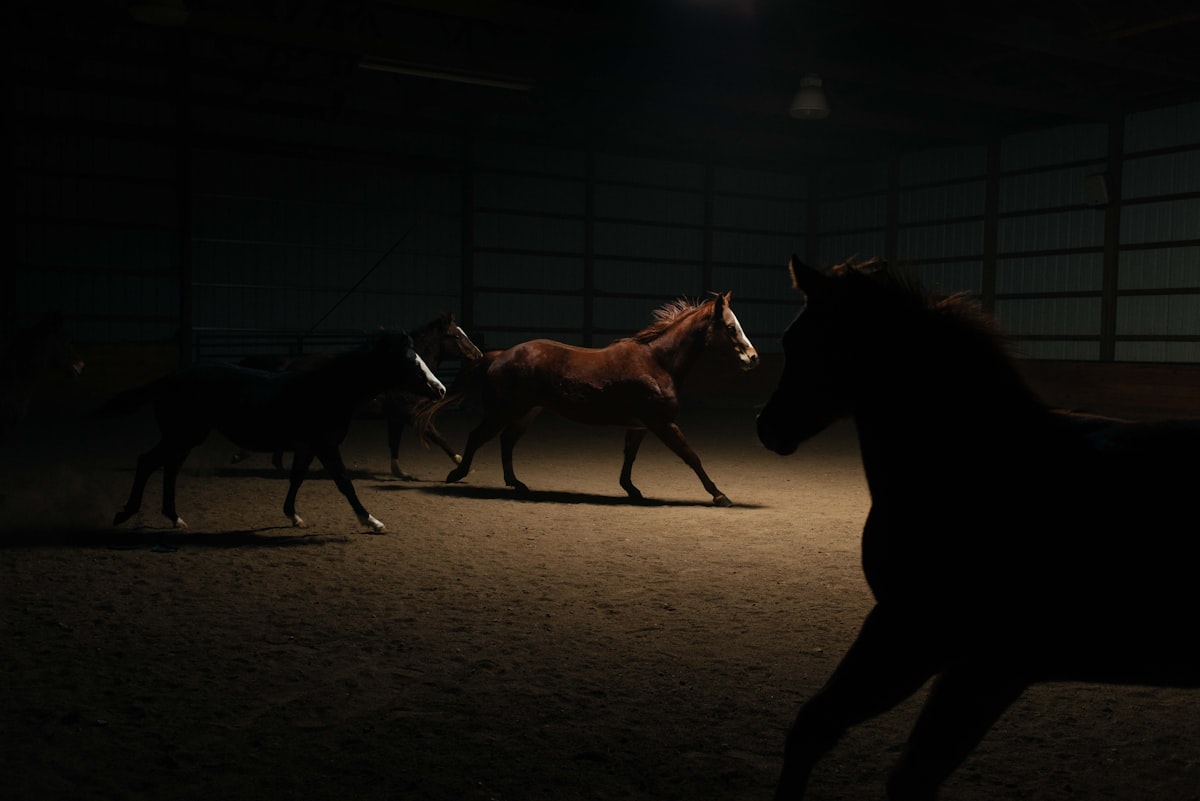
When both ears point forward, the horse is locked onto something ahead. This can mean a few things depending on context:
- Curiosity: They see or hear something interesting
- Focus: They’re paying attention to you or a task
- Potential worry: Something ahead might be a threat
Forward ears during work are generally positive — it means the horse is engaged. But forward ears combined with a high head and tense body? That’s not interest, that’s concern. Context matters.
Ears Flopping to the Side
This is the “I’m totally chill” position. Relaxed ears that gently flop sideways or rotate lazily mean you’ve got a content, comfortable horse. You’ll see this during grazing, rest time, and when they’re being groomed by someone they like. This is what you want.
One Forward, One Back
The horse is multitasking — monitoring something ahead while also listening to something (usually you) behind them. Totally normal during riding. It actually tells you the horse is paying attention to the path AND to you at the same time, which is exactly what you want.
Ears Pinned Flat
This is the one you never ignore. Ears flattened tight against the skull is a warning. It can mean:
- Aggression: They may be about to bite or kick
- Pain: Something hurts and they’re telling you to back off
- Fear: They feel cornered and may lash out defensively
- Frustration: They’ve had enough of whatever’s happening
When you see pinned ears, stop what you’re doing. Assess the situation. Don’t push through it.
Ears Flicking Rapidly
Quick, constant ear movement means anxiety. The horse is trying to track multiple things at once and feeling overwhelmed. They’re on edge and may react unpredictably. This is your cue to slow everything down.
The Eyes: Soft vs. Hard
Eyes reveal how intensely a horse is feeling something. Once you learn the difference between soft and hard eyes, you’ll read it instantly.
Soft Eyes
Relaxed, partially closed, blinking regularly. The muscles around the eye are loose and the whole expression is peaceful. This is trust. This is comfort. When your horse gives you soft eyes during handling, it means they feel safe with you. That’s a win.
Hard Eyes
Wide open, staring, whites visible (sometimes called whale eye). The muscles around the eye tense up and blinking slows way down. This horse is scared, angry, or both. They’re in a heightened state and you need to be careful.
One caveat: some horses naturally show more white around their eyes because of their facial markings. Don’t panic just because you see sclera. Look at the whole picture — the eye plus the ears, body, and breathing together.
Closed Eyes
A horse that closes their eyes while you’re grooming or handling them is deeply relaxed and trusting. Think about it — a prey animal wouldn’t close their eyes if they felt like they needed to watch for danger. Take it as the compliment it is.
Head and Neck Position
Head height tells you a lot about alertness and emotional state without needing any other information.
Head High
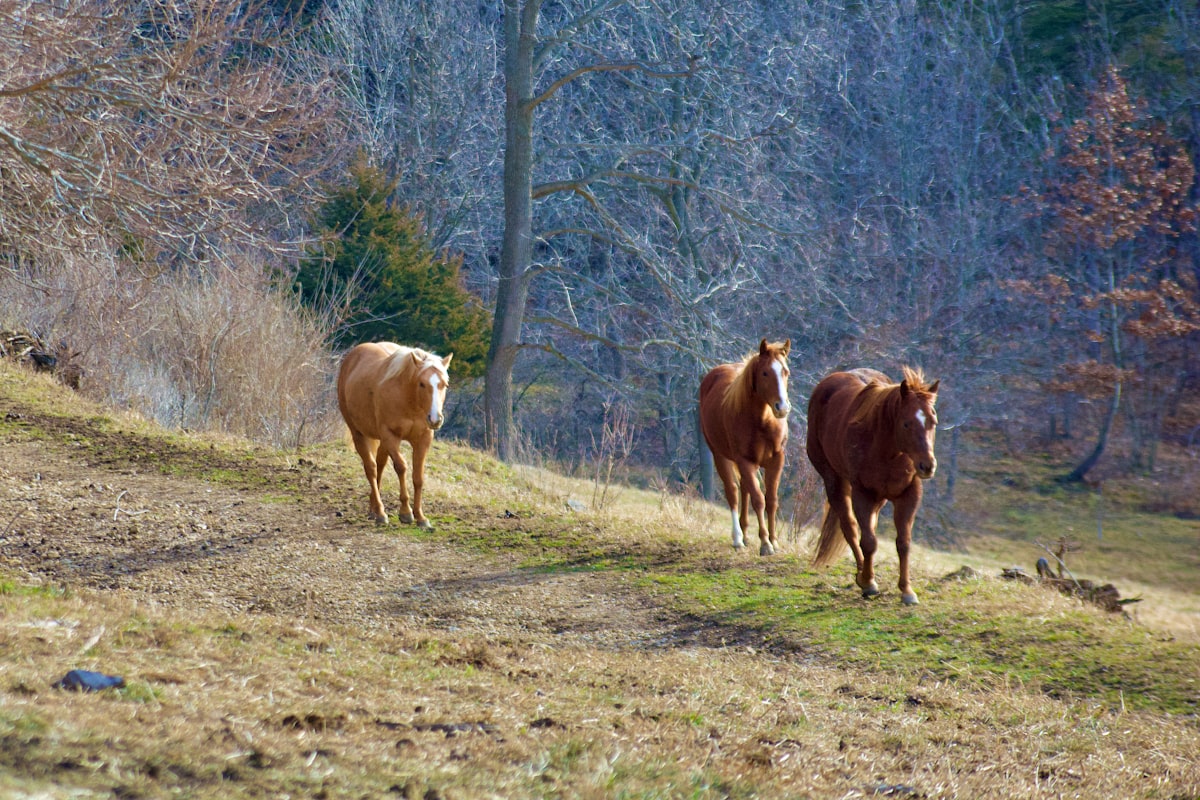
High head and extended neck means the horse is alert and ready to bolt. They can see farther and run faster from this position. During riding, a chronically high head usually means tension, discomfort, or a training issue that needs addressing.
Head at Normal Height
Relaxed neck, comfortable carry. This is what calm confidence looks like. It’s the ideal for both groundwork and riding.
Head Low
Usually means relaxation, submission, or sleepiness. Horses lower their heads to graze, to rest, and during training exercises designed to promote relaxation. But a very low, droopy head with dull eyes could signal illness or depression. Context, again, matters.
Head Shaking or Tossing
During riding, rhythmic head shaking usually means something’s uncomfortable — the bit, teeth, ears, or insects. Don’t just push through it. Figure out the cause. Occasional tosses might just be energy or excitement, but persistent shaking warrants investigation.
What the Mouth Tells You
Subtler signals here, but they’re valuable once you know what to look for.
Licking and Chewing
That’s what makes this signal endearing to us horse people — when a horse licks and chews after a tense moment, they’re processing what just happened and coming back down to earth. A lot of trainers watch specifically for this as a sign that a lesson has sunk in.
Tight, Clamped Mouth
Visible jaw tension and a clamped mouth mean stress or pain. Common in horses being ridden with too much hand or dealing with physical discomfort. Don’t ignore this one.
Yawning
Horses yawn to release jaw tension, process stress, or because they’re tired. If your horse yawns during work, they might be finding relief from built-up tension. It’s actually a decent sign in many contexts.
Teeth Showing with Wrinkled Muzzle
This combined with pinned ears is a clear threat — the horse may bite. Don’t test it. However, if you see the upper lip curled up and teeth exposed while the horse sniffs something, that’s the flehmen response. Totally harmless. They’re just investigating an interesting scent, and it’s honestly pretty funny to watch.
Reading the Tail
Tail position and movement reflect both physical comfort and emotional state.
Relaxed, Gently Swaying Tail
A tail hanging naturally with a soft sway during movement means a comfortable, engaged horse. This is your baseline “everything’s fine” indicator.
Clamped Tight Against the Body
Fear, submission, or physical discomfort. The horse is protecting themselves. In mares, this can also happen during heat cycles.
Tail Raised High
Excitement or high energy. Arabians naturally carry their tails high, but for most breeds, a flagging tail means the horse is wound up. You see this a lot when horses are running free in a field.
Rapid Swishing
This is different from casual fly-swatting. Persistent, aggressive tail swishing during work means irritation or pain. Something’s bothering them and you need to figure out what.
Tail Wringing (Circular Motion)
This is a stronger discomfort signal than swishing. Often points to back pain, ill-fitting tack, or training that’s causing stress. Don’t dismiss this one.
The Body Overall: Putting It All Together
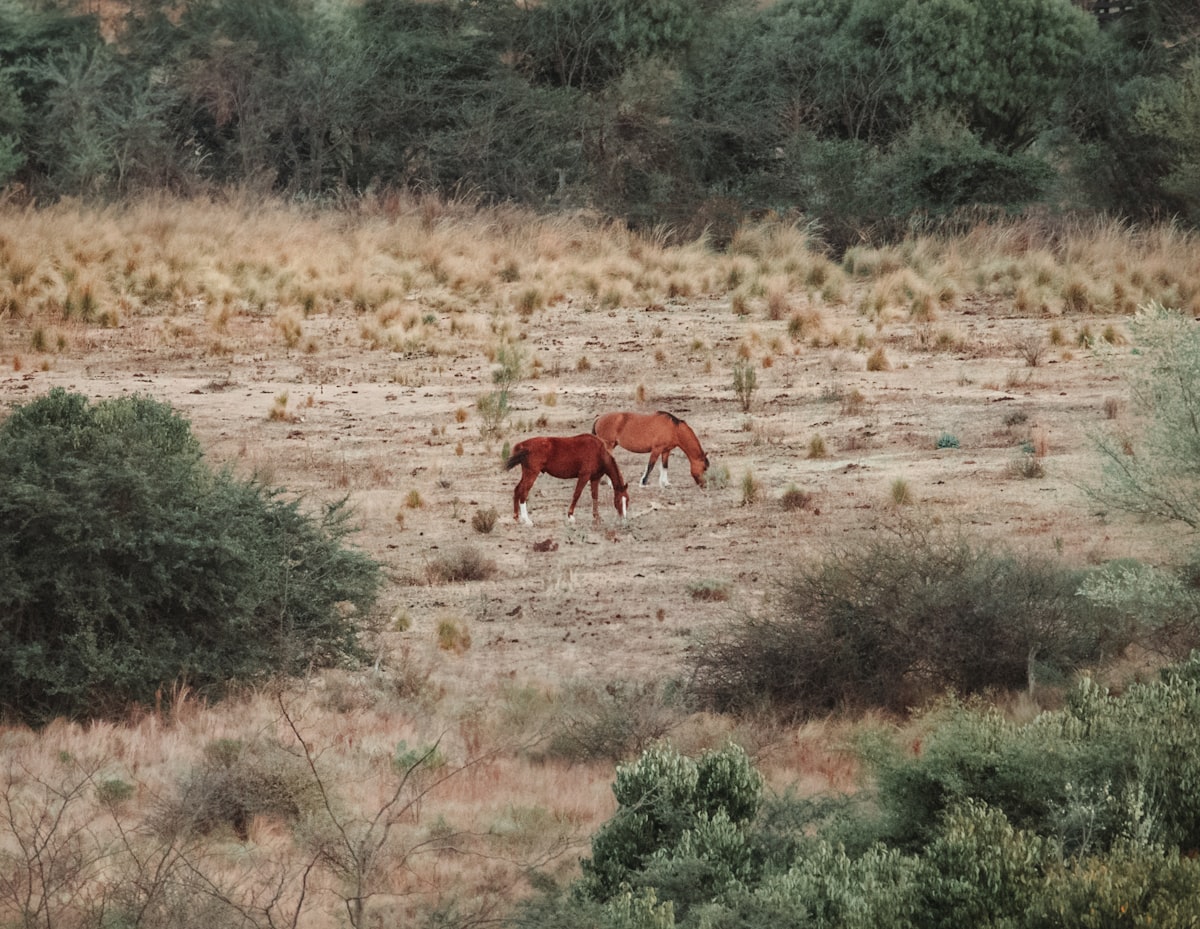
What Relaxation Looks Like
- Weight shifted to one hip, resting a hind leg
- Soft muscles everywhere
- Normal breathing
- Head at a comfortable level
- Ears in neutral or gently rotating
- Soft eye expression
- Content to stand still or move calmly
What Tension Looks Like
- Weight distributed evenly on all four, ready to move
- Tight muscles, especially in the neck and topline
- Rapid or irregular breathing
- Head and neck elevated
- Ears locked forward or flicking constantly
- Wide, staring eyes
- Can’t stand still, pawing, pacing, moving erratically
Aggression Warning Signs You Must Know
Most horses are gentle, but you need to recognize aggression for your own safety:
- Ears pinned flat against the head
- Bared teeth with that wrinkled muzzle
- Snake face — neck extended out, teeth snapping
- Raised front leg — threatening to strike
- Hindquarters turned toward you — this is a kick threat
- Charging — running at you aggressively
If you see these signs, get yourself out of the situation calmly. Don’t turn your back on an aggressive horse. Maintain eye contact and back away slowly until you’re safe. If a horse is consistently aggressive, get professional help. That’s not a DIY project.
The Good Stuff: How Horses Show They Like You
Horses show positive feelings too, and it’s worth learning to spot them:
- Nickering when you show up — that low, warm rumble is a genuine greeting
- Following you around the pasture without being led
- Mutual grooming attempts — nibbling at your hair or clothes (redirect gently so it doesn’t become nippy)
- Resting their head on you — pure trust
- Soft eye contact — voluntary, willing connection
- Cocking a hind leg while you’re nearby — they’re relaxed enough around you to rest
The Complete Picture
Here’s the key thing I want you to take away: never read a single signal in isolation. One pinned ear might just mean they’re listening to something behind them. Pinned ears plus swishing tail plus tense body plus hard eyes? That’s a horse telling you to back off, and you should listen.
Practice watching horses whenever you get the chance — at the barn, in videos, even in photos. Notice how different body parts work together to create a complete expression. Over time, reading horse body language becomes automatic. You’ll walk into a barn and instantly know which horse is relaxed, which one’s tense, and which one you should give extra space to.
The better you get at this silent conversation, the better partner you become. And that’s what it’s all about.
Body language is only part of the relationship: horses also distinguish familiar people. Our horse-human recognition guide separates facial, vocal and learned cues from assumptions about affection.

Leave a Reply