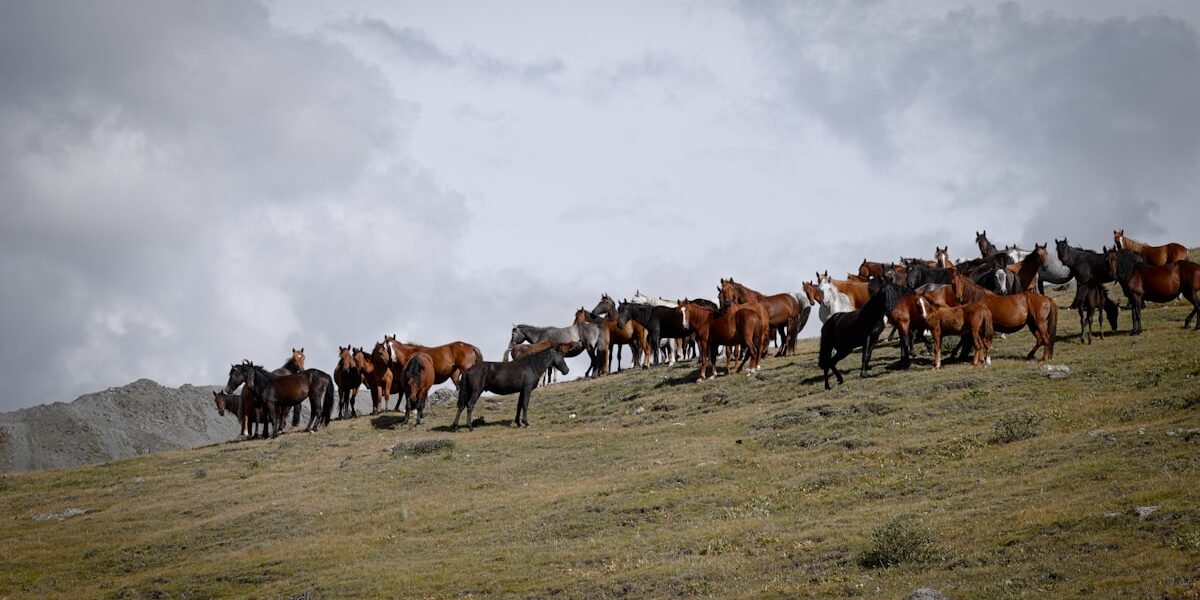
The great blanketing debate divides horse owners every winter. Should you blanket? When? What weight? The answer depends on your individual horse, their living situation, and your climate. This guide helps you make informed blanketing decisions.
Understanding Natural Winter Coats
Horses are remarkably well-adapted to cold weather. As days shorten in fall, horses grow thick winter coats that provide excellent insulation. The coat works by trapping air between the hairs, creating a layer of warmth against the skin.
This natural insulation is highly effective—healthy horses with full winter coats can comfortably tolerate temperatures well below freezing, often down to 0°F or lower. The key is keeping the coat dry and allowing it to “loft” properly.
When Blanketing Helps
Despite horses’ natural abilities, certain situations call for blankets:
Clipped Horses
If you clip your horse for winter riding, you’ve removed their natural insulation. Clipped horses need blankets when temperatures drop below about 50°F, with heavier blankets as it gets colder.
Horses Without Shelter
While horses can handle cold, they struggle with wet cold. Rain soaking through a winter coat destroys its insulating ability. Horses without access to shelter in wet, cold conditions may benefit from waterproof blankets.
Senior and Thin Horses
Older horses and those with difficulty maintaining weight have less body fat for insulation and may struggle to stay warm. Monitor their condition closely through winter—our guide on recognizing a healthy horse can help.
Sick or Recovering Horses
Horses fighting illness need to conserve energy for healing rather than warming. Blanketing can help during recovery periods.
Recently Relocated Horses
Horses moved from warmer climates may not develop adequate winter coats their first year in a colder region.
When Blanketing Hurts
Over-blanketing is more common than under-blanketing and causes real problems:
- Overheating: Horses that sweat under blankets get wet, then cold
- Coat suppression: Blanketing too early prevents natural coat growth
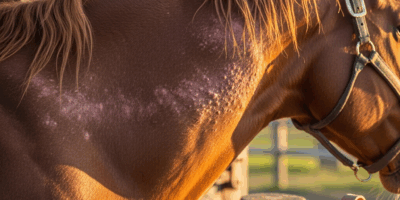
- Skin problems: Moisture trapped under blankets causes rain rot and fungal issues
- Rubs and sores: Poorly fitted blankets cause painful rubs
- Hidden problems: Blankets hide weight loss and injuries
Blanket Weight Guide
Blankets come in different weights measured by fill:
Sheet (0g): No insulation—just rain protection. Use above 50°F for rain or as a liner.
Lightweight (50-150g): Light insulation for 40-50°F. Good for clipped horses in mild cold.
Medium (200-300g): Moderate insulation for 30-40°F. Common choice for clipped horses.
Heavy (350-400g+): Maximum warmth for below 30°F. Needed for body-clipped horses in cold weather.
Temperature Guidelines for Clipped Horses
| Temperature | Blanket Weight |
|---|---|
| Above 50°F | Sheet or nothing |
| 40-50°F | Lightweight |
| 30-40°F | Medium |
| 20-30°F | Heavy |
| Below 20°F | Heavy + liner or hood |
Unclipped horses typically need blankets only below these temperatures, if at all. For comprehensive cold weather care, see our seasonal horse care guide.
Fitting a Blanket Properly
Proper fit prevents rubs and keeps your horse comfortable:
- Chest: Closures should meet without gaping or pulling
- Shoulders: Room to move without restriction
- Belly: Straps secure but not tight—you should fit a hand underneath
- Hindquarters: Leg straps crossed through each other, snug but not binding
- Tail: Blanket should cover the dock without pulling
Check under blankets daily for rubs, shifted straps, and moisture. Remove blankets completely at least weekly to inspect your horse’s condition.
The Blanket Rotation System
Winter weather changes constantly. Have multiple blankets available:
- A waterproof sheet for rain
- A medium weight for moderate cold
- A heavy weight for severe cold
- A backup of your most-used weight
Change blankets as needed based on temperature, precipitation, and wind. A wet blanket is worse than no blanket.
The Bottom Line
Most healthy, unclipped horses with shelter don’t need blankets. If you’re unsure, observe your horse: shivering indicates cold, but standing relaxed with a fluffy coat means they’re comfortable. When in doubt about your horse’s specific needs, consult your veterinarian.
Thoughtful blanketing supports your horse’s natural thermoregulation rather than replacing it. For complete information on year-round horse management, explore our complete beginner’s guide to horse care.

Leave a Reply