The Quarter Horse has gotten so popular that everybody has an opinion about them, and all that noise flying around can make it hard to get the straight facts.
If you’re thinking about getting one, already own one, or just want to understand what all the fuss is about, you’re in the right place.
Where the Quarter Horse Came From
The Quarter Horse story starts in colonial America, where English Thoroughbreds were crossed with native horses that descended from Spanish stock. What came out of those crosses were horses with insane acceleration and catlike agility — perfect for the short sprint races that colonists loved to run on the roads and clearings of early America.
Probably should have led with this section, honestly: the breed’s name literally comes from their dominance in quarter-mile races. Over that distance, nothing could touch them. And as America expanded westward, ranchers discovered that these same horses had a natural instinct for working cattle. Quick reflexes, an ability to read a cow’s movements, and the kind of stop-and-spin agility that made them indispensable on the range.
The American Quarter Horse Association (AQHA) was founded in 1940 and has since become the largest equine breed registry in the world. Millions of horses registered. That’s not a typo.
What They Look Like
Quarter Horses are built different — and I mean that in the best way. They’re compact and muscular, designed for explosive power:
- Height: 14 to 16 hands, most falling around 15-15.2
- Weight: 950 to 1,200 pounds of solid muscle
- Build: Heavily muscled, especially those hindquarters — that’s where the power lives
- Head: Short and refined with wide-set, intelligent eyes
- Neck: Well-muscled, medium length
- Chest: Broad and deep
- Hindquarters: Massive, rounded, and powerful. This is the defining feature
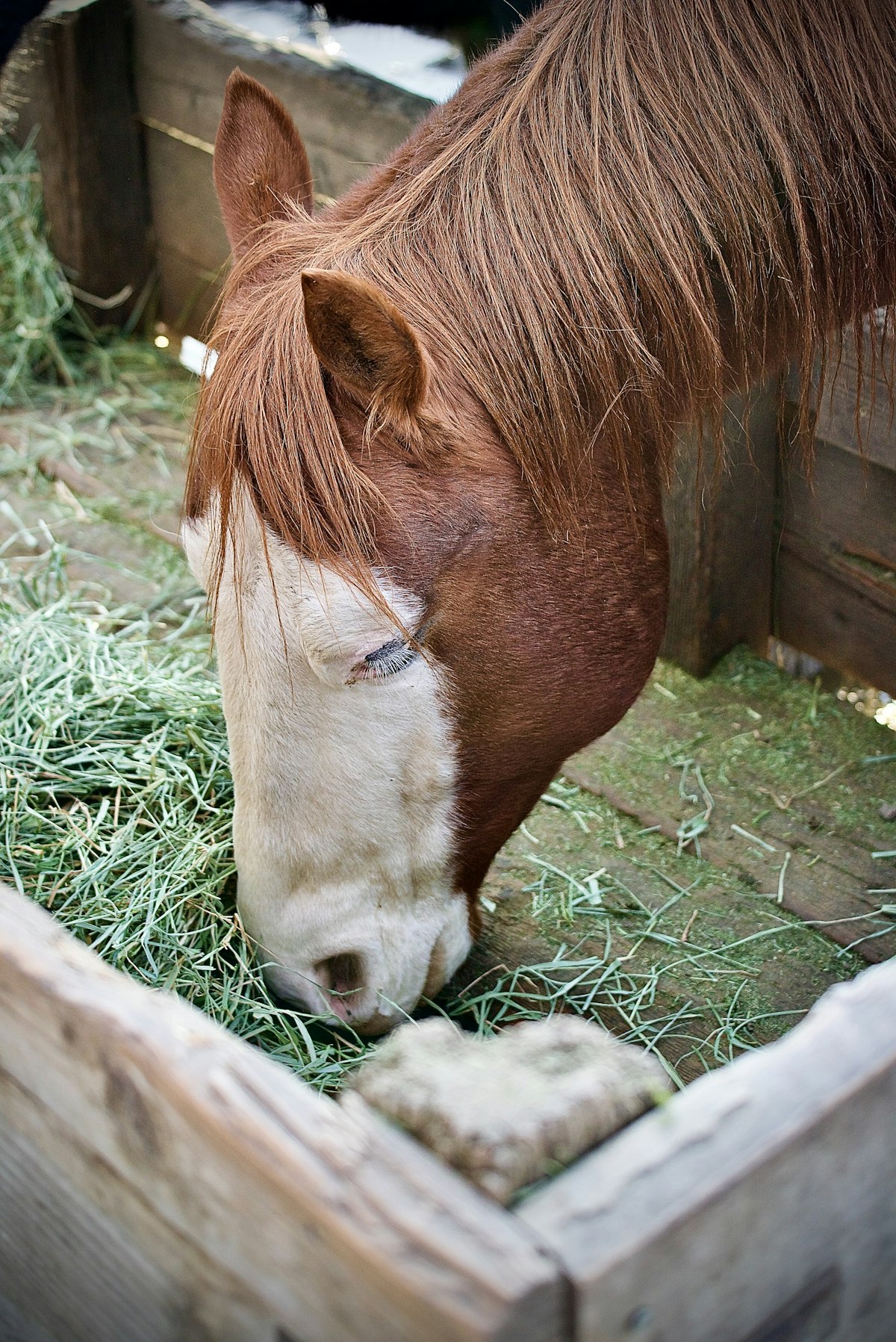
Color-wise, they come in everything. Sorrel (that reddish-brown) is the most common, but you’ll see bay, black, brown, buckskin, palomino, gray, dun, roan — the whole spectrum.
The Temperament That Sells Itself
This is where the Quarter Horse really earns its popularity, and it’s what I fell for years ago. These horses are:
- Calm and steady: Less reactive than most breeds. Things that would send other horses into orbit, a Quarter Horse just looks at and goes “huh, that’s interesting”
- Genuinely smart: They learn fast and they remember what you taught them
- Willing: They actually want to do what you’re asking. There’s an eagerness to please that’s hard to find in every breed
- Forgiving of mistakes: Beginner rider bouncing around? Quarter Horse handles it. Confusing cues? They figure out what you probably meant
- Sensible: Good judgment in unfamiliar situations. They think before they react
That’s what makes the Quarter Horse endearing to us horse people — they’re the kind of partner that makes you look good, whether you’re a first-timer or a seasoned professional. They’re featured in our guide to the best horse breeds for beginners for exactly this reason.
The Most Versatile Breed Alive
No other breed can do as many things as well as a Quarter Horse. Seriously, name a discipline and there’s a Quarter Horse winning at it somewhere.
Western Events
- Reining: Those jaw-dropping spins and sliding stops? Quarter Horses own this discipline
- Cutting: Working one cow out of a herd. The horse reads the cow and moves before you even cue them. It’s almost eerie to watch
- Working cow horse: Combines reining precision with real cattle work
- Barrel racing: Speed, agility, and heart around three barrels at a dead run
- Roping: Team and individual, these horses were born for cattle work
- Western pleasure: The relaxed, comfortable side of showing
Everything Else
- Trail riding: Their calm demeanor and sure feet make them ideal trail partners
- Ranch work: Their original job, and they still do it better than anyone
- Racing: Still the fastest thing on four legs over a quarter mile
- English disciplines: Some bloodlines produce solid hunter/jumper horses
- Therapeutic riding: That steady temperament makes them perfect for therapy programs
The Different Types Within the Breed
Over the years, selective breeding has created some distinct types under the Quarter Horse umbrella. This trips people up sometimes because a racing Quarter Horse and a halter Quarter Horse barely look like the same breed.
Stock type: This is the classic. Compact, heavily muscled, built for agility and quick bursts. The ranch horse. The cow horse. The one most people picture when you say “Quarter Horse.”
Halter type: Bred for conformation shows, these horses are extremely muscular — sometimes controversially so. The industry has been moving toward more moderate builds in recent years, which I think is the right call.
Racing type: Taller, leaner, and more Thoroughbred-influenced. These horses are built for speed at the track, not cattle work.
Hunter type: Longer legs, more refined lines. These are the ones you’ll see in English disciplines and hunter shows.
Health Stuff You Should Know
Quarter Horses are generally hardy and easy to keep, but there are some genetic conditions in the breed that every buyer should be aware of:
- HYPP (Hyperkalemic Periodic Paralysis): A muscle disorder traced back to one specific stallion. Causes episodes of muscle tremors and weakness. Testing is available and you should absolutely require it
- HERDA (Hereditary Equine Regional Dermal Asthenia): A skin fragility condition. DNA testing identifies carriers
- GBED (Glycogen Branching Enzyme Deficiency): A fatal condition in foals. Both parents must be tested before breeding
- PSSM (Polysaccharide Storage Myopathy): A muscle disorder that’s manageable with diet changes. More common in heavily muscled individuals
Responsible breeders test for all of these. When buying a Quarter Horse, always ask about genetic testing history. If a seller can’t or won’t provide that information, keep shopping.
Is a Quarter Horse the Right Horse for You?
After all my years with this breed, I’d say consider a Quarter Horse if you want:
- A calm, reliable partner that won’t leave you guessing
- Versatility to try different disciplines without needing a different horse for each one
- A horse that works for riders at every level, from beginner to advanced
- An outstanding trail companion
- A competitive edge in Western events
There’s a reason more people register Quarter Horses than any other breed. They deliver. They’ve been delivering since colonial times, and they show no signs of slowing down.
For more information on choosing between breeds, check out our complete guide to horse breeds.

Leave a Reply