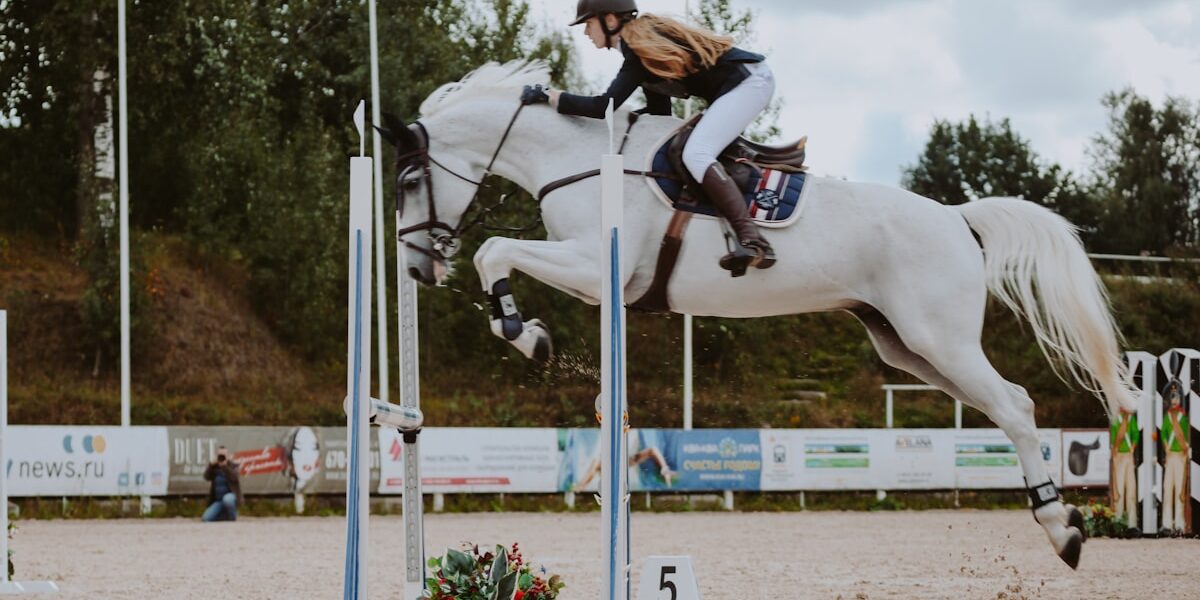
The Arabian horse has gotten complicated with all the myths and misconceptions flying around.
If you’re considering an Arabian, or just curious about what makes them different from every other breed on the planet, keep reading.
A History That Goes Back Thousands of Years
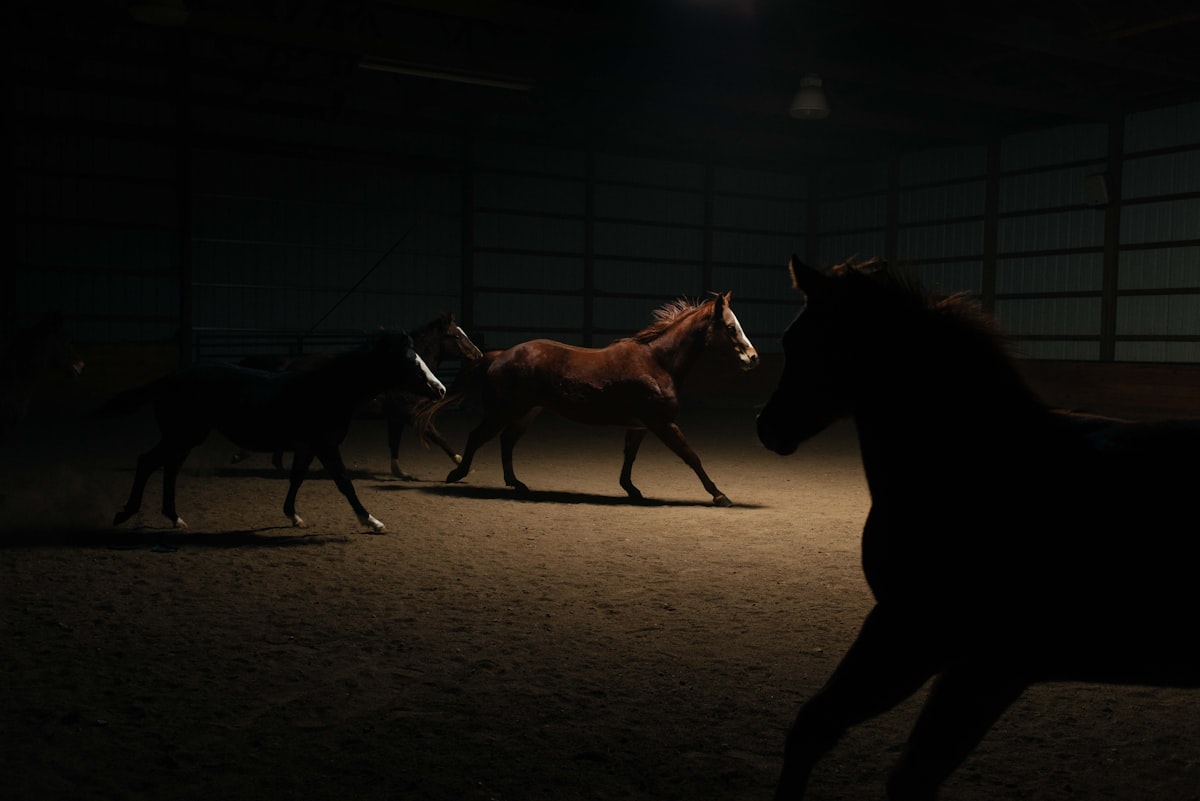
Probably should have led with this section, honestly, because the Arabian’s backstory is incredible. These horses were developed on the Arabian Peninsula over thousands of years, shaped by two relentless forces: the brutal desert environment and the Bedouin tribes who bred them with obsessive care.
Desert life demanded a horse that could go the distance on minimal food and water, handle extreme heat, and still carry a rider at speed when it mattered. Natural selection did some of the work. The Bedouins did the rest — and they took it seriously. These horses lived in their tents, were treated as family members, and their bloodlines were guarded with fierce pride.
The result of all those centuries of careful breeding? A horse so refined and distinctive that it’s influenced nearly every modern light breed. Thoroughbreds, Morgans, Quarter Horses, Warmbloods — dig into any of their family trees and you’ll find Arabian blood somewhere in there. That’s not a coincidence. That’s how good the foundation was.
What Makes an Arabian Look Like an Arabian
You can spot an Arabian from across a field. They just look different from everything else, and it’s striking:
- Height: 14.1 to 15.1 hands — smaller than many breeds, but don’t let that fool you. These horses punch way above their weight class
- Dished face: That distinctive concave profile with a wide forehead is iconic. It’s not just for looks either — that broad forehead houses larger sinuses, which may have helped with desert breathing
- Massive, expressive eyes: Set wide and low on the head. People often describe Arabian eyes as liquid or soulful, and honestly, that’s not an exaggeration
- Arched neck: Called the “mitbah” — this graceful curve gives them that unmistakable proud carriage
- High tail carriage: Naturally elevated, especially in motion. When an Arabian moves with that tail flagged high, it’s one of the most beautiful things in the horse world
- Short back: They typically have one fewer vertebra than other horses, giving them a compact, strong back
- Dense bone: Fine-textured but incredibly strong bone structure that handles enormous stress
Colors are usually bay, gray, chestnut, black, or roan. The gray ones are especially fun to watch over time — they’re born dark and gradually lighten with age, often ending up nearly white in their later years.
The Personality That Hooks People
Here’s where I could talk for hours. Arabian temperament is unlike any other breed I’ve worked with:
- Scary smart: They learn fast, they remember everything, and yes, they’ll use that intelligence against you if they think they can get away with it
- Incredibly sensitive: They pick up on subtle cues and your emotional state in ways that can be almost unsettling. Having a bad day? Your Arabian already knows
- People-oriented: Centuries of living in Bedouin tents created horses that genuinely crave human connection. My Arabian follows me around like a dog
- Alert to everything: They’re aware of their environment at all times. Some people call this spooky. I call it vigilant. They’re paying attention
- Spirited and forward: These horses have energy and they want to move. They’re not lazy and they don’t plod
That’s what makes the Arabian endearing to us horse people — they’re not just a ride, they’re a relationship. They respond to you as a person, not just as a set of cues. But that same sensitivity means they respond poorly to harsh treatment. Bully an Arabian and you’ll pay for it in trust that takes forever to rebuild. Work with patience and skill, and they’ll give you everything they’ve got.
For riders who are brand new to horses, I’d honestly recommend starting with something calmer. We’ve got a list of great options in our beginner breed guide. But once you’ve got some experience under your belt, an Arabian is worth every bit of the learning curve.
Born to Run Forever
Endurance riding is where Arabians absolutely dominate, and it’s not even close. Their desert heritage gave them:
- Cardiovascular efficiency that puts other breeds to shame
- Recovery times after hard work that are remarkably fast
- A metabolism that uses food and water with incredible efficiency
- Strong, dense hooves that hold up mile after mile
- Mental toughness — they don’t quit on you at mile 80 when things get hard
In competitive endurance races of 50-100 miles in a single day, Arabians win almost every time. The Tevis Cup — the most prestigious endurance race in America — has been won almost exclusively by Arabians since it started. When you need a horse that can go the distance, there’s no real debate.
What They’re Good At Beyond Endurance
Endurance is their specialty, but Arabians are versatile enough to show up in a lot of different arenas:
- Trail riding: Stamina for days and they’re careful with their feet
- Dressage: Natural collection and a willingness to work with their rider
- Show ring: Both halter and performance classes
- Western events: Particularly Western pleasure, where they excel
- Racing: Arabian-specific racing circuits are popular in many countries
- Therapeutic riding: Their sensitivity to human emotion makes them uniquely effective in therapy programs
Health and the Long Game
One of the best things about Arabians is how long they stick around and stay useful:
- They regularly live 25-30 years, with plenty making it well into their 30s
- They stay rideable and active deep into their 20s
- They’re generally robust with fewer breed-specific health problems than many other breeds
That said, there are a few genetic conditions buyers should know about:
- SCID (Severe Combined Immunodeficiency): Fatal in foals, but DNA testing identifies carriers easily
- CA (Cerebellar Abiotrophy): A neurological condition that’s fully testable
- LFS (Lavender Foal Syndrome): Another fatal neurological condition with testing available
Any responsible breeder tests for all of these. If they don’t, that’s a red flag. Learn more about horse lifespan in our article on how long horses live.
Living with an Arabian: What to Expect
From my own experience, here’s what day-to-day Arabian ownership looks like:
- They’re easy keepers: That efficient desert metabolism means they need less food than you’d think for their size. Overfeeding is a bigger risk than underfeeding
- They need mental stimulation: A bored Arabian is a creative Arabian, and “creative” is rarely good. Vary their work, give them puzzles, keep things interesting
- They need a relationship: You can’t just ride them three times a week and ignore them the rest of the time. They thrive on consistent handling and bonding
- Training approach matters: Patient, positive methods get results. Force-based training creates problems that compound
For more on caring for horses in general, check out our complete beginner’s guide to horse care.
Should You Get an Arabian?
After years with this breed, I’d say yes — if you’re the right fit. Consider an Arabian if you:
- Have some riding experience already under your belt
- Want a horse that bonds with you as a person, not just a rider
- Like an active, forward horse that has opinions and energy
- Are interested in endurance, distance trail riding, or just want a horse that can go all day
- Want a long-term partner that’ll be with you for decades
Arabians aren’t for everyone. They’re too much horse for some people, and that’s fine. But for the people they’re right for? There’s nothing else like them. Once you go Arabian, you understand why Bedouin tribes treasured them for thousands of years.
For more breed comparisons, explore our complete guide to horse breeds.

Leave a Reply