
Seasonal Horse Feeding has gotten complicated with all the dietary advice flying around.
Spring: Managing the Grass Explosion
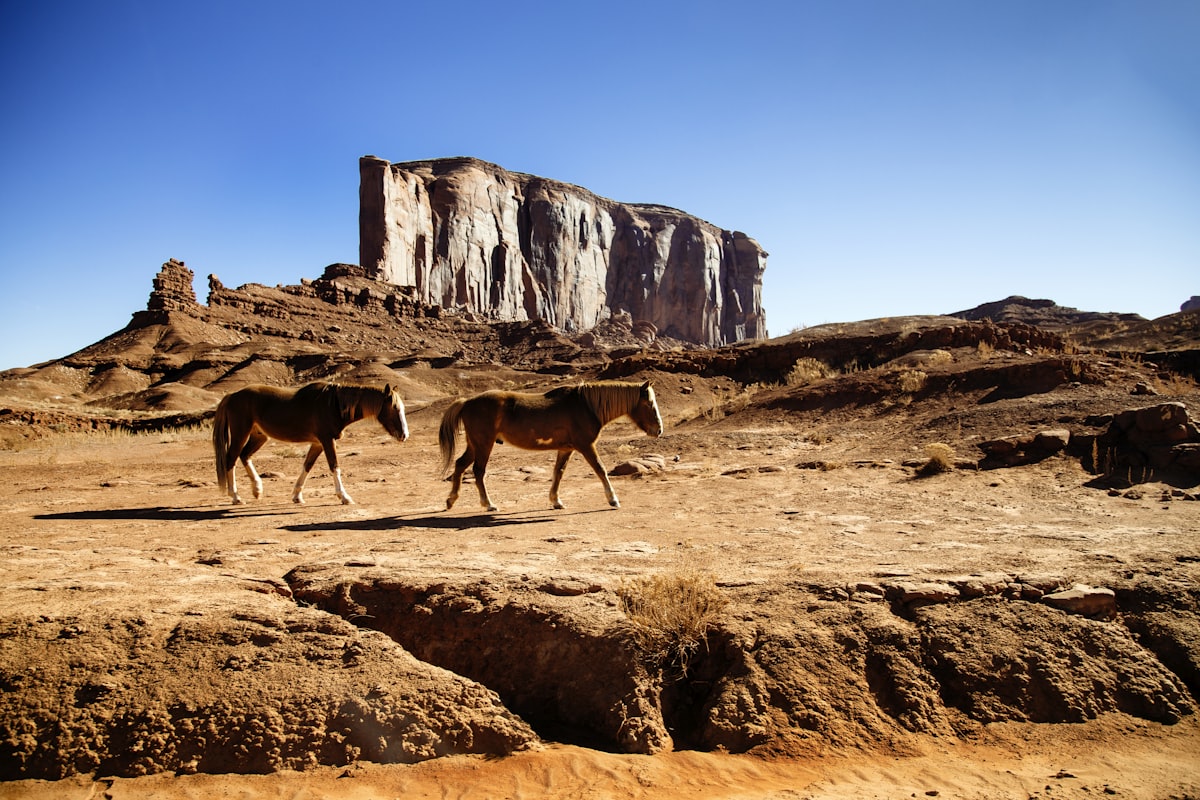
Spring brings new grass—and with it, the highest-risk period for pasture-related problems. The rapid growth produces grass that’s very different nutritionally from summer or fall pastures.
Spring grass characteristics:
- High sugar content (non-structural carbohydrates)
- High water content, lower fiber per bite
- Rapid growth, especially during cool nights and warm days
- Dramatically different from the hay your horse has been eating
The American Association of Equine Practitioners identifies spring grass as a major laminitis risk factor, especially for horses with metabolic conditions or a history of laminitis.
Spring feeding strategies:
- Transition to pasture gradually over 2-3 weeks, starting with 15-30 minutes daily
- Continue offering hay even as pasture increases—this provides fiber and slows grass intake
- Limit grazing during high-sugar times (typically late morning to late afternoon)
- Consider a grazing muzzle for easy keepers or metabolically sensitive horses
- Monitor body condition closely—weight can increase rapidly
Summer: Heat, Sweat, and Electrolytes
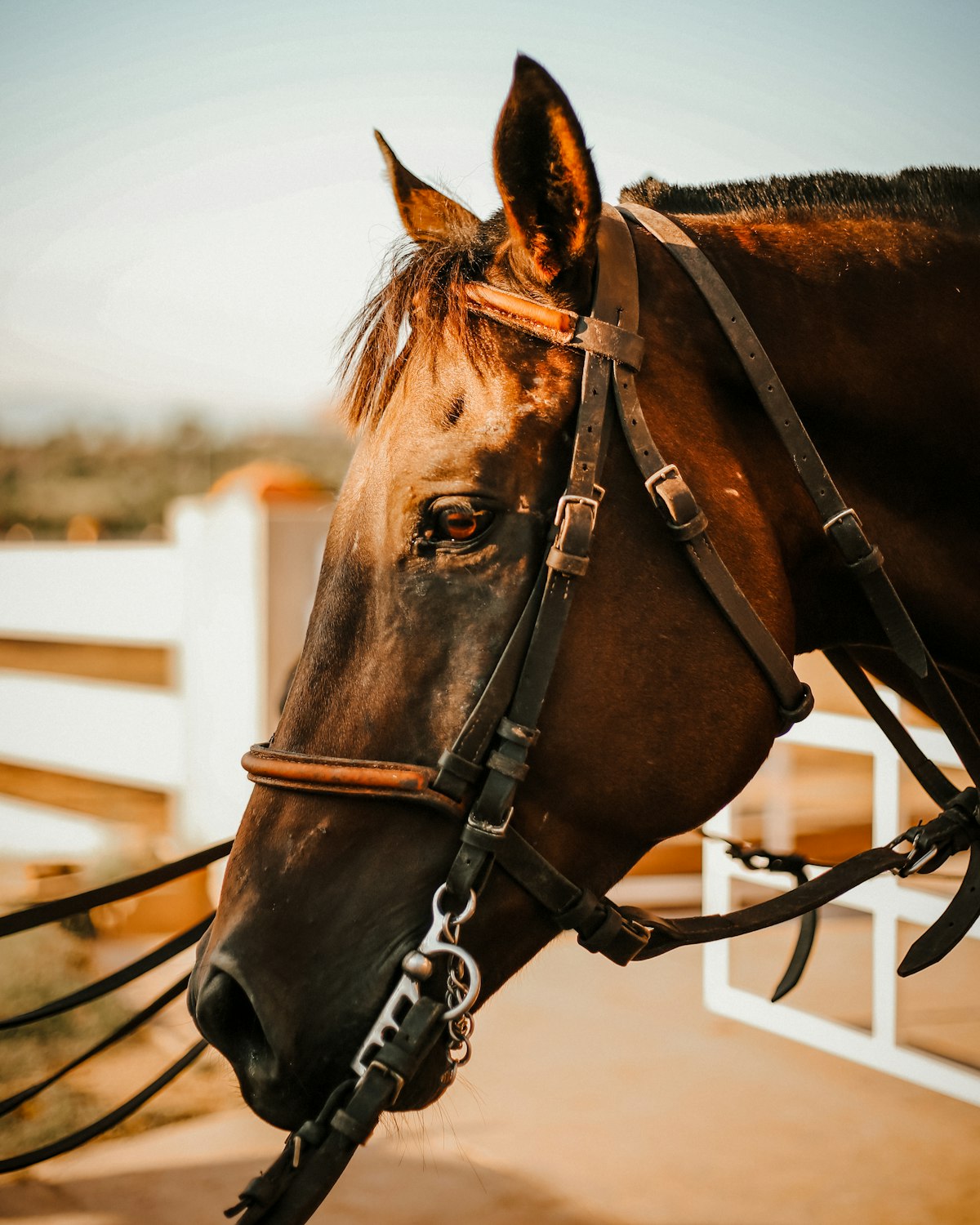
Summer brings heat stress and increased water and electrolyte losses. Working horses especially need careful management to maintain hydration and mineral balance.
Summer nutritional challenges:
- Increased water requirements (hot horses may drink 15-20+ gallons daily)
- Electrolyte losses through sweat (horses lose significant sodium, chloride, potassium)
- Reduced appetite during extreme heat
- Pasture quality decline in drought conditions
Summer feeding strategies:
- Ensure unlimited access to cool, fresh water
- Provide salt free-choice AND supplement electrolytes for heavily sweating horses
- Feed during cooler parts of the day if appetite is reduced
- Reduce workload during heat peaks
- Add water to feeds (sloppy mashes) to increase hydration
According to Kentucky Equine Research, an average 1,000-pound horse can lose 10-15 liters of sweat during moderate exercise in hot weather, making electrolyte replacement essential for maintaining performance and health.
Summer Pasture Management
Mature summer grass has different characteristics than spring grass:
- Higher fiber content
- Lower sugar content (usually)
- Less water per bite
- May be sparse in drought conditions
Drought-stressed grass can actually concentrate sugars, creating risk for sensitive horses. When pastures are stressed, supplemental hay becomes important.
Probably should have led with this section, honestly.
Fall: Preparing for Winter
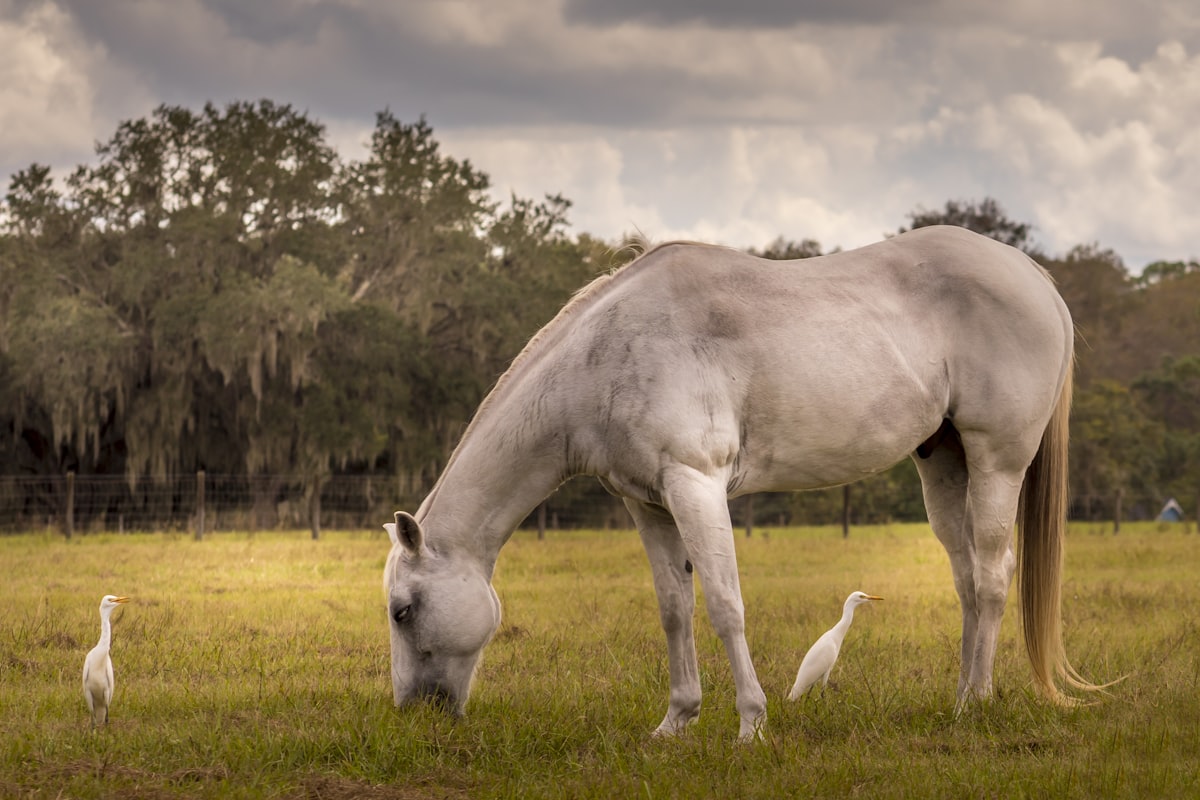
Fall is a transition period—horses naturally prepare for winter by increasing intake and building reserves. The changing pastures require attention.
Fall pasture concerns:
- Cool nights and warm days trigger sugar spikes (similar to spring)
- Frosted grass can have very high sugar content
- Grass growth slows but nutritional changes can be dramatic
- Acorn and walnut toxicity risks in some pastures
Fall feeding strategies:
- Begin transitioning to hay as pasture decreases
- Don’t rely solely on pasture—offer hay to ensure adequate intake
- Be cautious about grazing frosted grass, especially for metabolic horses
- Monitor body condition—some weight gain before winter is acceptable
- Assess hay quality and quantity for winter supplies
Fall Body Condition Check
Heading into winter with appropriate body condition protects your horse from cold stress. A body condition score of 5-6 (moderate to moderately fleshy) is ideal for winter.
Underweight horses should have calories increased gradually in fall. Overweight horses should be managed to prevent further gain—winter is not the time to implement dramatic weight loss.
Winter: Meeting Increased Energy Needs
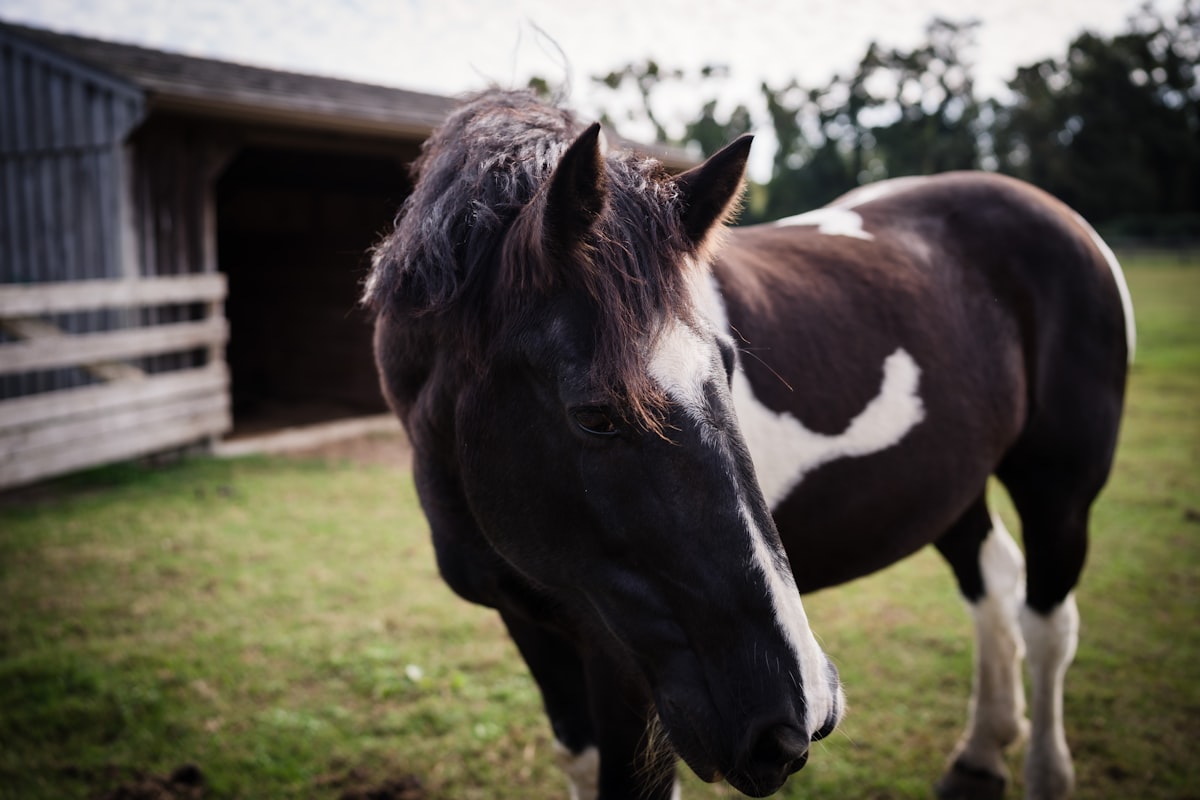
Cold weather significantly increases your horse’s caloric needs. Maintaining body temperature in freezing conditions requires substantial energy.
Winter nutritional priorities:
- Increased forage for heat production (hay digestion generates internal warmth)
- Adequate water despite frozen conditions
- Maintaining body condition through cold snaps
- Supporting coat health and immune function
How much additional feed in cold weather?
For every 10°F below the horse’s lower critical temperature (approximately 30-40°F for unclipped horses with winter coats), energy needs increase by roughly 10-15%.
A horse that normally eats 20 pounds of hay might need 24-25 pounds during a bitter cold snap.
Hay: Your Horse’s Furnace
Hay digestion produces more internal heat than grain digestion. When temperatures drop, increase hay rather than grain to help your horse stay warm.
Winter hay strategies:
- Free-choice hay during cold weather if possible
- Night feeding—provide extra hay overnight when temperatures drop
- Quality matters—good hay provides more usable nutrition per pound
- Prevent waste with appropriate feeders
Winter Water Challenge
Horses often drink less in winter, increasing impaction colic risk. The The Horse magazine identifies dehydration and impaction as significant winter health concerns.
Encouraging winter water intake:
- Heated water buckets or tank heaters keep water drinkable
- Research shows horses drink more water at 45-65°F than ice-cold water
- Add water to feeds (warm mashes)
- Provide loose salt to stimulate thirst
- Monitor manure for signs of dehydration (dry, small balls)
Seasonal Supplement Adjustments
Some supplements make more sense in certain seasons:
Spring/Fall:
- Magnesium for grass-sensitive horses
- Digestive support during dietary transitions
Summer:
- Electrolytes for sweating horses
- Fly control supplements (limited evidence but widely used)
Winter:
- Vitamin E for horses without pasture access
- Fat supplements for hard keepers
- Joint support (cold weather can aggravate arthritis)
Special Populations: Seasonal Considerations
Senior Horses
- Need extra calories before and during winter (harder to regain lost weight)
- Monitor closely during temperature extremes
- May need soaked feeds year-round but especially when water intake is challenging
Young, Growing Horses
- Consistent nutrition year-round supports steady growth
- Avoid dramatic seasonal feed changes
- Adequate protein matters regardless of season
Metabolic Horses
- Highest risk during spring and fall grass transitions
- May need restricted turnout or grazing muzzles seasonally
- Tested hay with known sugar content recommended year-round
Creating Your Seasonal Feeding Calendar
March-April: Begin slow pasture transition. Watch for grass founder signs. Continue hay alongside grazing.
May-June: Full pasture access for most horses. Watch for weight gain. Begin electrolyte supplementation for working horses.
July-August: Focus on hydration. Supplement hay if pastures are drought-stressed. Feed in cooler hours.
September-October: Begin hay transition. Watch for sugar spikes from cool nights. Body condition assessment.
November-December: Full winter feeding program. Increase hay for cold snaps. Monitor water intake.
January-February: Peak winter feeding. Extra hay during severe weather. Watch for weight loss.
The Year-Round Constants
While much changes seasonally, some principles remain constant:
- Fresh, clean water always available
- Forage forms the diet foundation
- Feed changes should be gradual (7-14 days minimum)
- Regular body condition assessment guides feeding decisions
- Individual horse needs override general guidelines
Seasonal feeding isn’t about dramatic diet overhauls—it’s about thoughtful adjustments that support your horse through the year’s natural rhythms.
Sources: American Association of Equine Practitioners, Kentucky Equine Research, The Horse Magazine
Seasonal ration changes still need a dependable daily structure; use our horse-feeding schedule guide to coordinate forage, water, meals and exercise.

Leave a Reply