
Groundwork Fundamentals has gotten complicated with all the training approaches flying around.
Why Groundwork Matters
Many riders view groundwork as something you do before the “real work” of riding. This misses the point entirely. Groundwork IS real work—it’s where you build the foundation that makes everything under saddle possible.
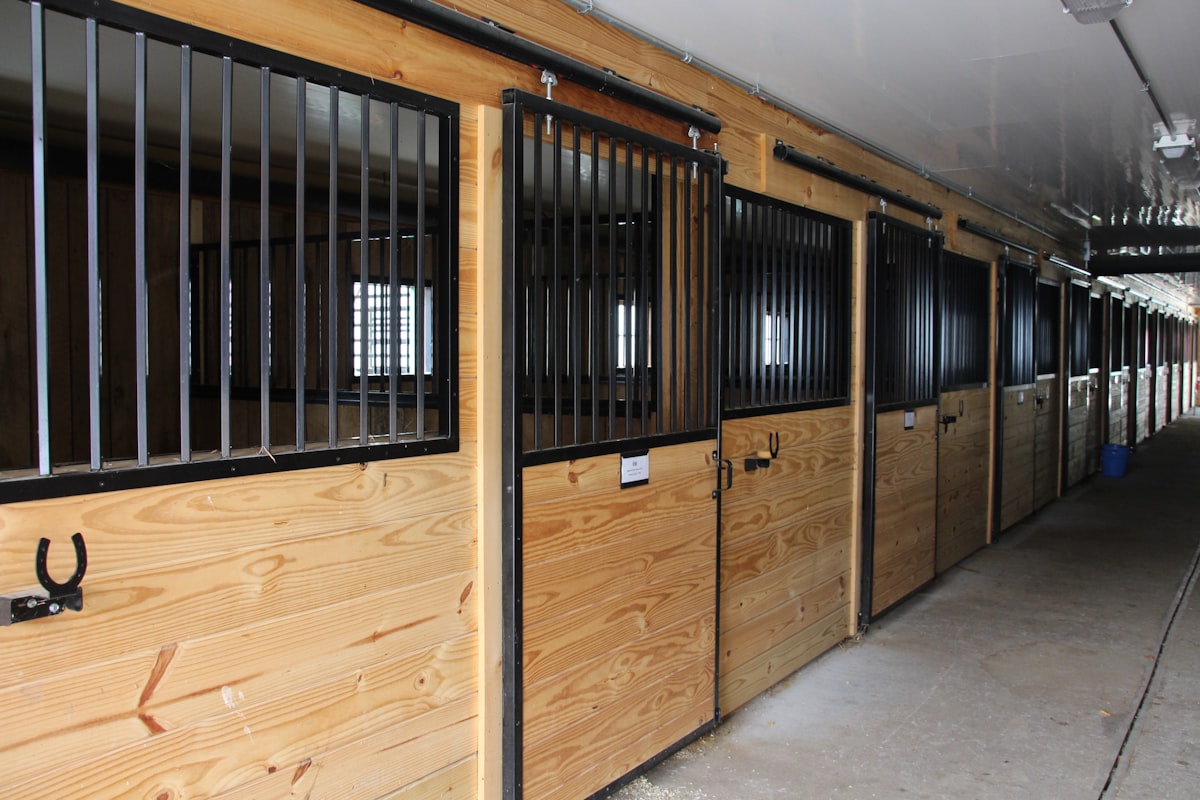
According to the American Association of Equine Practitioners, horses trained with thorough groundwork typically have fewer behavioral problems under saddle because they understand pressure, respect space, and look to their handler for direction.
Benefits of consistent groundwork:
- Establishes clear communication before adding the complexity of riding
- Builds physical suppleness and coordination
- Develops respect for your personal space
- Creates a calmer, more focused horse
- Allows you to address problems safely from the ground
- Provides exercise options when you can’t ride
The Round Pen: Your Groundwork Classroom
A round pen isn’t mandatory, but it’s incredibly useful for groundwork. The enclosed space keeps your horse’s attention on you and limits their options, making learning clearer.
If you don’t have a round pen, work in a small enclosed arena or paddock. The key is a space where your horse can move but can’t easily ignore you or leave.
Probably should have led with this section, honestly.
Exercise 1: Yielding the Hindquarters
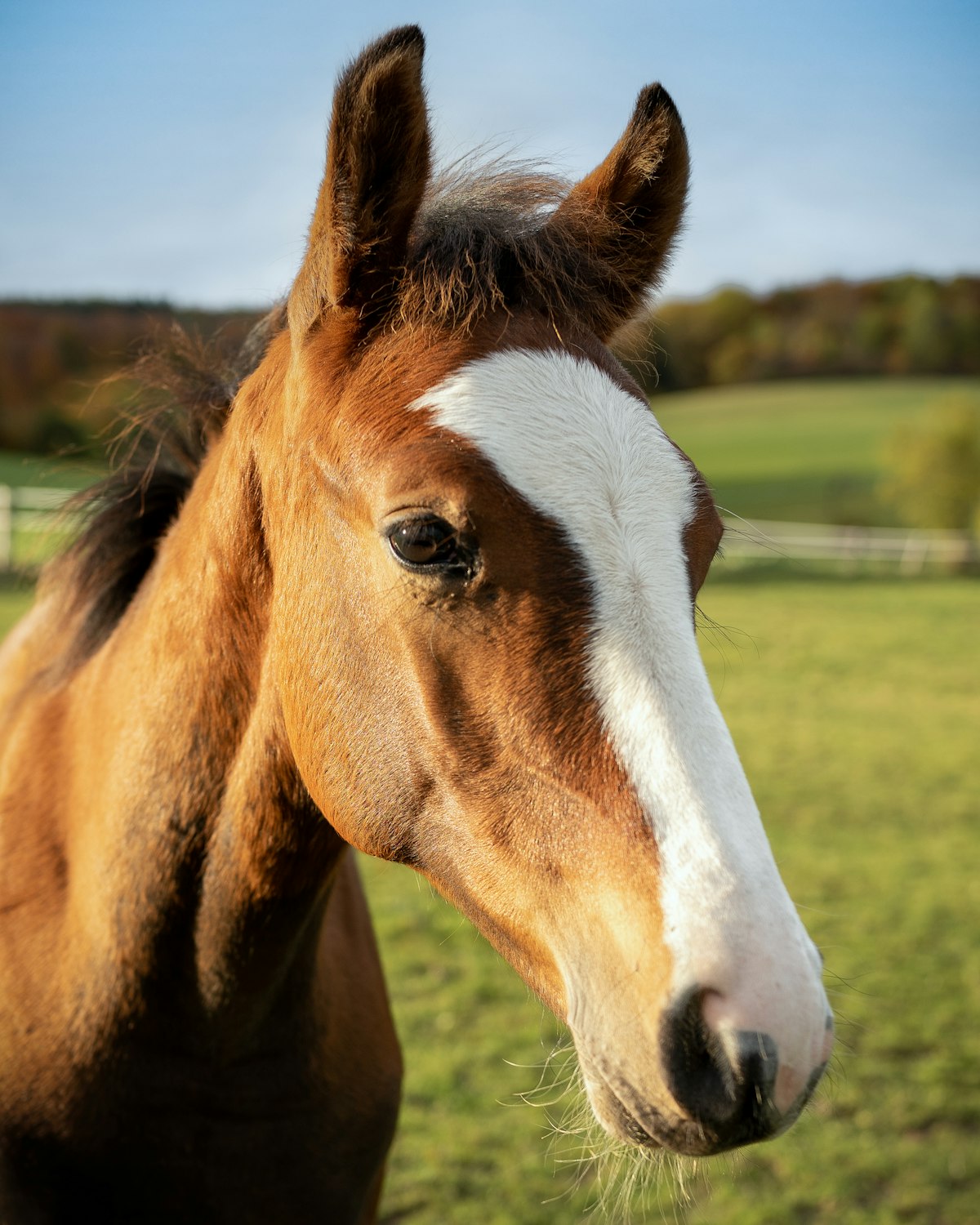
This is arguably the most important groundwork exercise. A horse that yields their hindquarters on cue can be controlled, disengaged from flight response, and positioned safely.
How to teach it:
- Stand at your horse’s shoulder, facing their hip
- Hold the lead rope in your hand closest to their head
- Point toward their hip with your other hand or a training stick
- Apply light rhythmic pressure (tapping air, then lightly tapping hip if needed)
- The moment their inside hind leg crosses in front of the outside leg, release all pressure
- Praise and rest
- Repeat until they move readily from light pressure
Why it matters: Disengaging the hindquarters takes away your horse’s power. It’s your emergency brake and your redirect button. A horse that’s crossing their hind legs can’t kick, bolt, or rear effectively.
Exercise 2: Yielding the Forequarters
Moving the front end teaches your horse to be light and maneuverable, essential for both safety and performance.
How to teach it:
- Stand facing your horse at a 45-degree angle to their shoulder
- Apply pressure toward their shoulder using your lead hand or training stick
- Ask them to step their front end away from you while their hind end stays relatively still
- Release when they take a step in the correct direction
- Build to smooth, multi-step yields
This exercise helps with sidestepping, opening gates, and positioning your horse precisely—skills you’ll use constantly.
Exercise 3: Backing Up
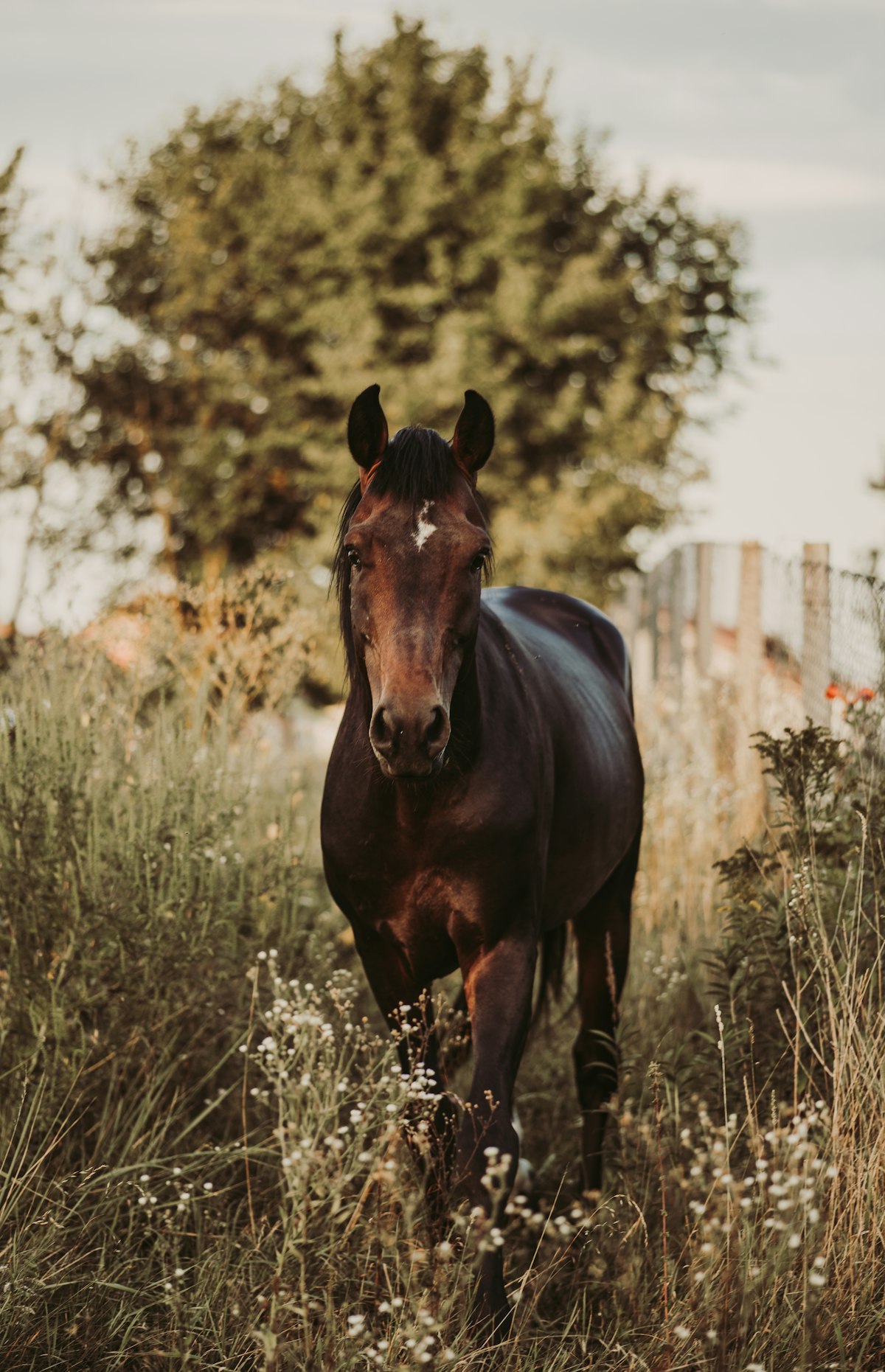
A horse that backs willingly is showing respect for your space and responding to pressure correctly. Every horse should back promptly on cue.
Progressive method:
- Face your horse, lead rope in hand
- Apply backward pressure on the rope while stepping toward their chest
- Release the instant they shift weight backward
- Build to one step, then multiple steps
- Add verbal cue (“back”) as they understand the exercise
- Eventually, back them with just the verbal cue or wiggle of the rope
The The Horse magazine recommends making backing easy and comfortable for your horse. If backing is always done calmly and with immediate release, horses become willing and smooth.
Exercise 4: Sending Through Gaps
Sending teaches your horse to move away from you on cue, building independence while maintaining your control over their direction.
Basic sending exercise:
- Stand facing a fence or arena wall about 10-15 feet away
- Point toward the gap between you and the wall
- Use your lead rope and body language to send your horse forward through the gap
- Let them walk or trot past you along the fence
- Ask them to stop and face you when they’ve gone the desired distance
This builds to sending over obstacles, through gates, and into trailers.
Exercise 5: Circling/Lunging Fundamentals
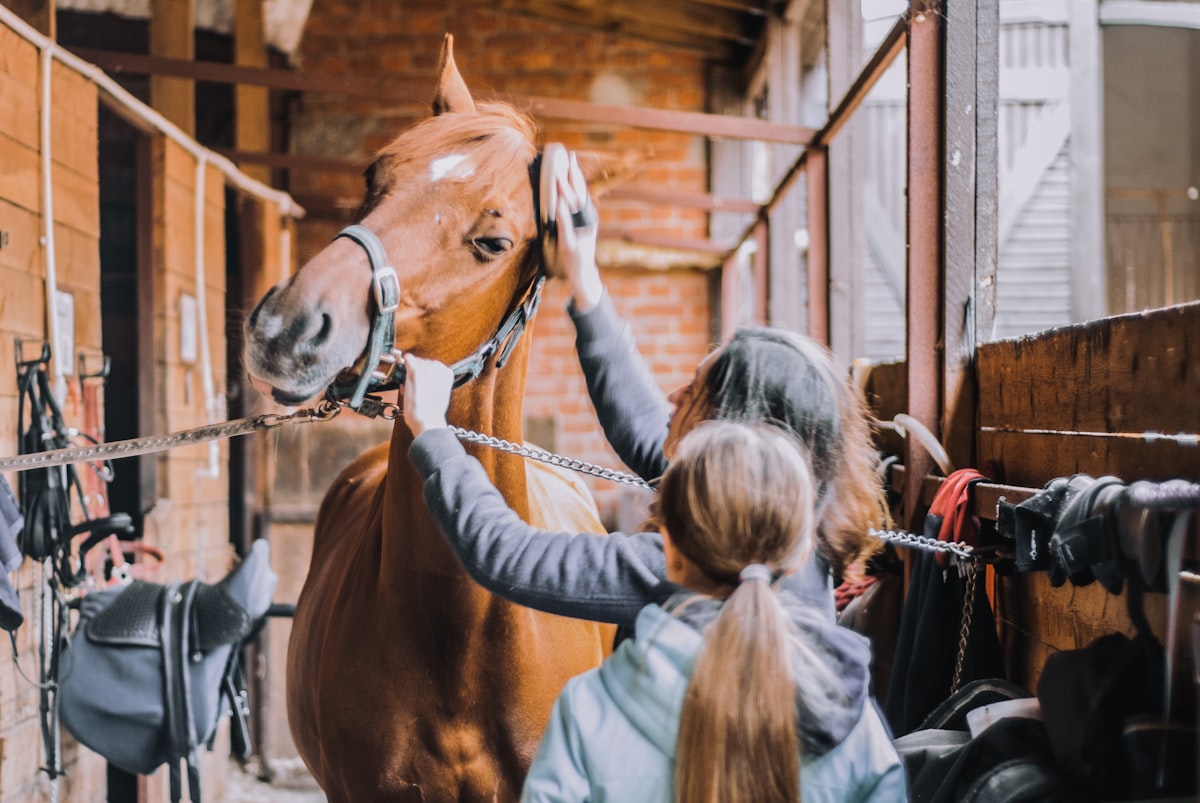
Lunging teaches your horse to work on a circle around you, responding to your body language and voice commands. It’s excellent for exercise, training, and assessing soundness.
Basic lunging technique:
- Stand in the center of your working space
- Send your horse out on a circle using the techniques from sending
- Point in the direction of travel with your leading hand
- Use the driving hand (behind) to maintain forward movement
- Your body position drives or draws—stepping toward their hip drives forward, stepping toward their shoulder slows or stops
- Practice walk, trot, and canter transitions
Important: Lunging should be purposeful, not just running your horse in circles. Change direction frequently, vary the pace, and keep sessions short enough that your horse stays mentally engaged.
Exercise 6: Lateral Flexion
Lateral flexion—bending the neck to each side—teaches your horse to give to pressure and builds suppleness essential for riding.
How to teach it:
- Stand beside your horse’s shoulder
- Slide your hand down the lead rope and apply light pressure toward their shoulder
- Wait without increasing pressure—let them figure out that yielding makes the pressure stop
- The instant they bend their neck toward you, release
- Build until they bring their nose to their shoulder softly
- Practice equally on both sides
Exercise 7: Desensitization from the Ground
Groundwork is the ideal time to introduce your horse to potentially scary stimuli because you can read their body language clearly and aren’t at risk of being bucked off.

Items to introduce during groundwork:
- Ropes rubbing all over their body
- Tarps and plastic bags
- Flags and whips (as tools, not threats)
- Spray bottles
- Moving objects
- Unusual sounds
The University of Minnesota Extension recommends systematic desensitization as a core component of every horse’s groundwork education.
Building a Groundwork Routine
Consistency in groundwork produces the best results. Here’s a sample 15-minute groundwork session:
Warm-up (3 minutes):
- Leading exercises: walk, stop, back, turns
- Check your horse’s attitude and responsiveness
Yielding exercises (5 minutes):
- Hindquarter yields both directions
- Forequarter yields both directions
- Full turns on forehand and haunches
Movement work (5 minutes):
- Lunging with transitions
- Direction changes
- Sending exercises
Cool-down (2 minutes):
- Lateral flexion both sides
- Standing quietly
- End with something your horse did well
Reading Your Horse During Groundwork
Groundwork gives you an unobstructed view of your horse’s body language. Learn to read it:
Signs your horse is learning and engaged:
- Ear pointed toward you, tracking your movement
- Soft eye, blinking
- Licking and chewing after new learning
- Lowered head
- Relaxed tail
Signs of stress or confusion:
- High head, tense neck
- Wide eyes, showing white
- Tail clamped or swishing excessively
- Tight mouth, grinding teeth
- Trying to escape the exercise
If you see stress signs, reduce pressure, simplify the exercise, or take a break. Pushing through stress creates fear, not learning.
Common Groundwork Mistakes
Mistake: Chasing rather than directing. Your body language should guide, not threaten. Aggressive chasing creates fear and flight.
Mistake: Inconsistent release timing. Late releases teach the wrong response. Practice until your release is instant.
Mistake: Skipping to advanced exercises. Fancy maneuvers built on shaky basics will fall apart under pressure.
Mistake: Groundwork only when there’s a problem. Regular groundwork maintains responsiveness and prevents problems.
Mistake: Going too long. Twenty minutes of focused groundwork beats an hour of mindless circling.
Taking Groundwork to the Next Level
Once basics are solid, expand your repertoire:
- Liberty work: Performing exercises without a lead rope
- Obstacle courses: Incorporating poles, bridges, and challenges
- Long-lining: Working your horse with two lines for more nuanced communication
- In-hand work: More refined maneuvers like shoulder-in and haunches-in from the ground
The foundation you build through basic groundwork makes all of these advanced exercises possible and meaningful.
The Groundwork Mindset
Approach every groundwork session with intention. Know what you want to accomplish, but be flexible enough to address what your horse presents. Some days will be about refining skills; others might be about working through resistance or fear.
Groundwork is never wasted time. Every moment you spend on the ground building communication, respect, and trust pays dividends in your overall partnership. The best riders are also excellent ground handlers—they understand that horsemanship doesn’t begin when you put your foot in the stirrup.
Sources: American Association of Equine Practitioners, The Horse Magazine, University of Minnesota Extension



Leave a Reply