Common Training Mistakes and How to Avoid Them has gotten complicated with all the training philosophies flying around.
Mistake #1: Inconsistent Cues and Timing
The most prevalent training error is inconsistency. Horses learn through repetition and clear associations. When you use different cues for the same behavior or vary your timing, your horse becomes confused rather than confident.
Research from the American Association of Equine Practitioners emphasizes that horses have excellent memories for learned associations. Once a horse learns something incorrectly, it takes significantly longer to retrain than to teach correctly the first time.
How to fix it: Establish clear, distinct cues for each behavior. Use the same word, body position, and pressure every single time. Release pressure within 0.5-1 second of the desired response—this is your window for effective learning.
Mistake #2: Training When Frustrated or Angry
Horses are incredibly perceptive to human emotions. When you’re frustrated, your body language changes—your muscles tense, your breathing becomes shallow, and your movements become jerky. Horses read these signals as threatening or confusing.
According to studies published by the Kentucky Equine Research, horses can detect human emotional states through physiological cues. Training while upset creates negative associations and can cause your horse to become anxious or defensive.
How to fix it: Set a personal rule: if you feel your frustration rising, end the session on any positive note—even something simple like standing quietly—and walk away. Return when you’re calm. Short, positive sessions beat long, frustrating ones every time.
Probably should have led with this section, honestly.
Mistake #3: Skipping Groundwork Fundamentals
Many riders are eager to get in the saddle and view groundwork as boring or unnecessary. This is a critical error. Groundwork establishes respect, communication, and trust—the foundation of everything you’ll do under saddle.
The University of Minnesota Extension horse program recommends that all horses, regardless of age or training level, benefit from regular groundwork sessions. It reinforces your leadership and keeps communication sharp.
How to fix it: Dedicate at least 10-15 minutes to groundwork before each riding session. Include yielding exercises, backing, and transitions. This isn’t wasted time—it’s building the vocabulary you’ll use under saddle.
Mistake #4: Drilling Exercises Until the Horse is Bored or Sour
Repetition is necessary for learning, but endless drilling creates a sour, resentful horse. Horses are intelligent animals that become mentally fatigued and frustrated when asked to perform the same exercise repeatedly without variety or rest.
Signs your horse is bored or overtrained:
- Pinned ears during exercises they previously enjoyed
- Anticipating movements (starting before asked)
- Sluggish, reluctant responses
- Grinding teeth or excessive tail swishing
- Trying to evade or escape the exercise
How to fix it: Follow the “three good tries” rule. If your horse performs an exercise correctly three times, move on to something else or end the session. Mix up your routine and include trail rides, liberty work, or simply grazing time to keep your horse mentally fresh.
Mistake #5: Poor Release Timing
Horses learn from the release of pressure, not the application. When you maintain pressure after your horse has given the correct response, you’re teaching them that responding correctly doesn’t work—and they’ll try something else.
Research in equine learning theory confirms that the release must come within about one second of the correct behavior for the horse to make the connection. This is called the “learning window,” and missing it creates confusion.
How to fix it: Practice your timing on the ground first. Ask for simple yields and focus entirely on releasing the instant you feel movement in the correct direction. Speed and clarity of release matter more than how much pressure you applied.
Mistake #6: Expecting Too Much Too Soon
Impatience leads to rushing through training steps. When you skip foundational work or ask for advanced movements before your horse is ready, you create holes in their training that will resurface later—often at the worst possible moments.
The The Horse magazine frequently emphasizes that professional trainers spend far more time on basics than amateurs realize. A solid foundation takes months, not weeks.
How to fix it: Break every goal into tiny, achievable steps. If your goal is a flying lead change, master simple lead changes first. If you want collection, perfect forward movement first. Celebrate small progress and trust the process.
Mistake #7: Ignoring Body Language
Horses communicate constantly through body language. Missing these signals means missing opportunities to adjust your training approach, address concerns, or prevent problems before they escalate.
Key body language signals to watch:
- Ears: Forward = interested, pinned = annoyed or aggressive, swiveling = listening to you
- Eyes: Soft = relaxed, hard/showing white = stressed or fearful
- Mouth: Licking/chewing = processing and relaxing, clenched = tense
- Tail: Relaxed swing = comfortable, clamped = afraid, excessive swishing = irritated
- Overall posture: Lowered head = relaxed, high head = alert or anxious
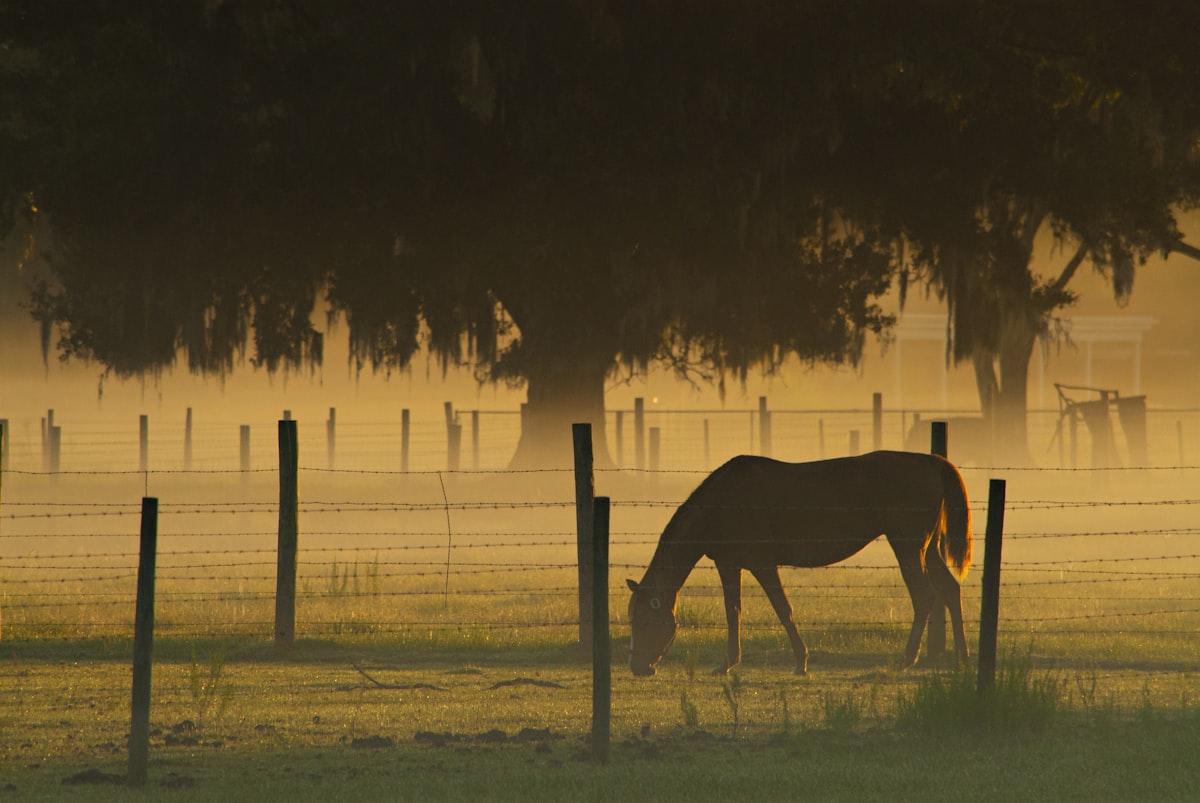
How to fix it: Make reading body language a conscious practice. Before each session, assess your horse’s state. During training, check in regularly. A horse that’s mentally checked out or stressed isn’t learning effectively.
Mistake #8: Using Equipment as a Substitute for Training
Tie-downs, harsh bits, draw reins, and other equipment can mask training problems without solving them. Relying on equipment to control your horse means the underlying issue remains—and often worsens.
While some equipment has legitimate training uses in skilled hands, using it to force compliance rather than teaching proper responses creates a dependent horse that falls apart when the equipment is removed.
How to fix it: Ask yourself: “Would my horse respond correctly without this equipment?” If the answer is no, you have training work to do. Use the mildest equipment possible and invest time in developing genuine responses through clear communication.
Mistake #9: Failing to End on a Good Note
Ending training sessions during struggles or after problems creates negative associations. Your horse’s last memory of the session influences their attitude at the next one. Consistently ending on frustration makes your horse dread training time.
How to fix it: When things go wrong, scale back to something your horse can succeed at—even if it’s just standing quietly or walking a few calm circles. End with praise and relaxation. Plan sessions so you have time to recover from difficulties rather than being forced to end mid-struggle.
Mistake #10: Neglecting the Mental Side of Training
Physical skills are only half of training. A horse that can perform an exercise but is anxious, resistant, or mentally checked out hasn’t truly learned. Mental engagement and willingness are just as important as physical capability.
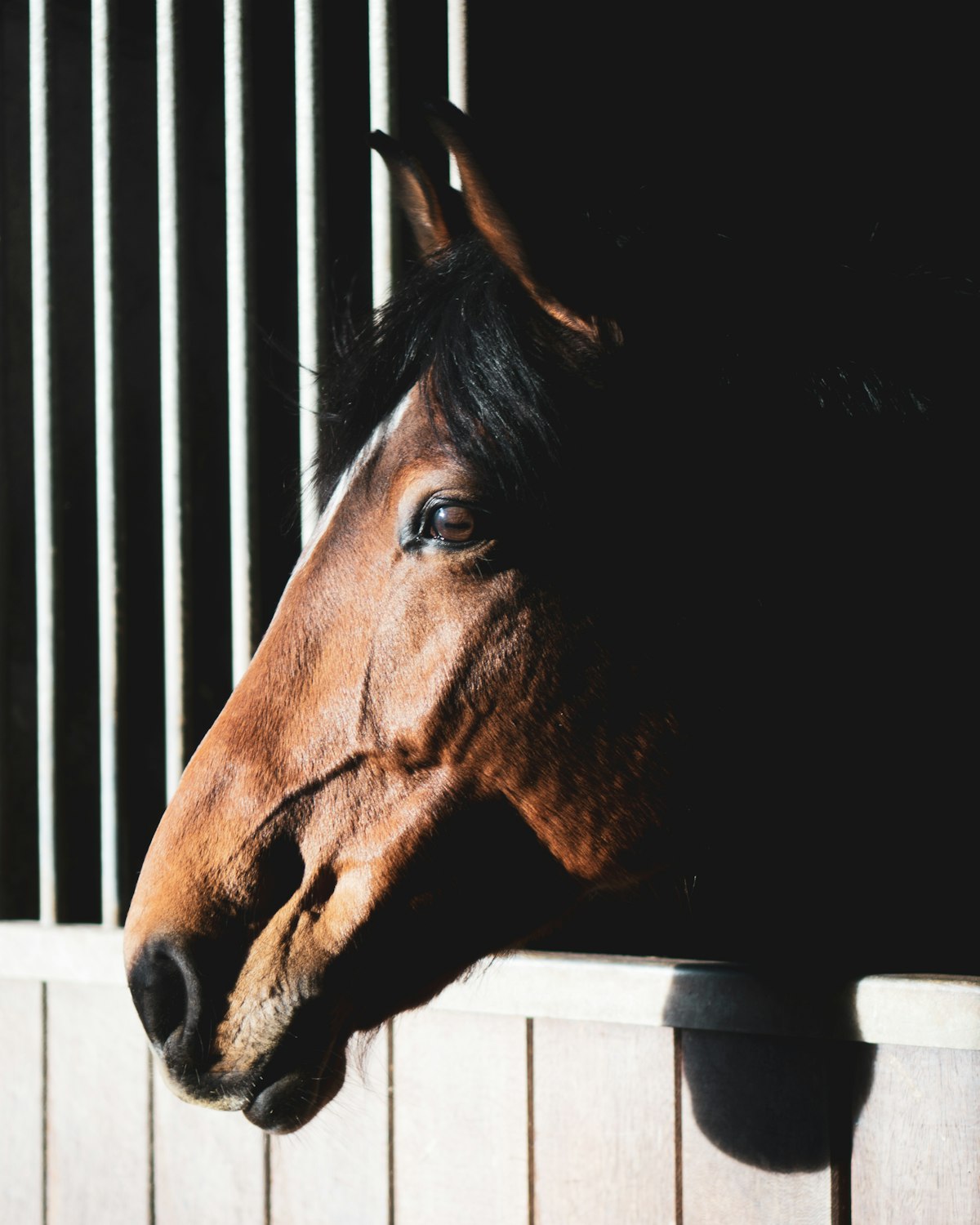
According to the International Association of Animal Behavior Consultants, horses that are mentally engaged in training learn faster, retain information better, and perform more reliably than those trained through pure repetition or pressure.
How to fix it: Watch for signs of mental engagement: forward ears, soft eyes, willingness to try. When your horse offers effort, reward it generously. Make training interesting through variety, and allow your horse to problem-solve rather than just following commands.
Moving Forward with Better Training
Recognizing these mistakes is the first step toward better training. Remember that every horseman, no matter how experienced, continues learning and makes occasional errors. What separates good trainers from great ones is the willingness to recognize mistakes, adjust their approach, and always prioritize their horse’s understanding and wellbeing.
Start by identifying which mistakes you’re most prone to making. Work on one at a time, and be patient with yourself as well as your horse. Better training leads to a happier horse and a more rewarding partnership for both of you.
Sources: American Association of Equine Practitioners, Kentucky Equine Research, University of Minnesota Extension Horse Program, The Horse Magazine, International Association of Animal Behavior Consultants



Leave a Reply