![Thoroughbred Horse Pricing and Cost [2026]](https://horsebesties.com/wp-content/uploads/sites/115/2026/01/thoroughbred-horse-681x600.png)
The Thoroughbred is the world’s premier racing breed—elegant, athletic, and bred for speed. Beyond the racetrack, Thoroughbreds excel in many disciplines, making them popular with riders at all levels. But how much does a Thoroughbred actually cost?
This comprehensive guide covers Thoroughbred prices across different markets and purposes.
Quick Answer: Thoroughbred Horse Prices
| Type | Price Range |
|---|---|
| Off-Track Thoroughbred (OTTB) | $500 – $5,000 |
| Trail/Pleasure Horse | $2,500 – $10,000 |
| Retrained Sport Horse | $5,000 – $25,000 |
| Active Racing (claiming) | $5,000 – $50,000 |
| Stakes-Quality Racehorse | $100,000 – $500,000+ |
| Elite Racing/Breeding Stock | $1,000,000 – $50,000,000+ |
Understanding the Thoroughbred Market
The Thoroughbred market is unlike any other breed. At one end, you have million-dollar yearlings sold at prestigious auctions. At the other, retired racehorses available for a few hundred dollars. Let’s break down each market segment.
The Racing Market
Racing is where the big money lives:
Yearling Auctions:
- Keeneland September Sale averages $150,000+
- Fasig-Tipton and OBS also host major sales
- Top yearlings sell for $1-50 million
- Record: $16 million for a single yearling
Two-Year-Olds in Training:
- Prices higher due to demonstrated speed
- Average $50,000-$300,000 at major sales
- Elite prospects reach seven figures
Claiming Races:
- Horses can be “claimed” (purchased) during races
- Prices set by race conditions: $5,000-$100,000
- Accessible entry into ownership
Off-Track Thoroughbreds (OTTBs)
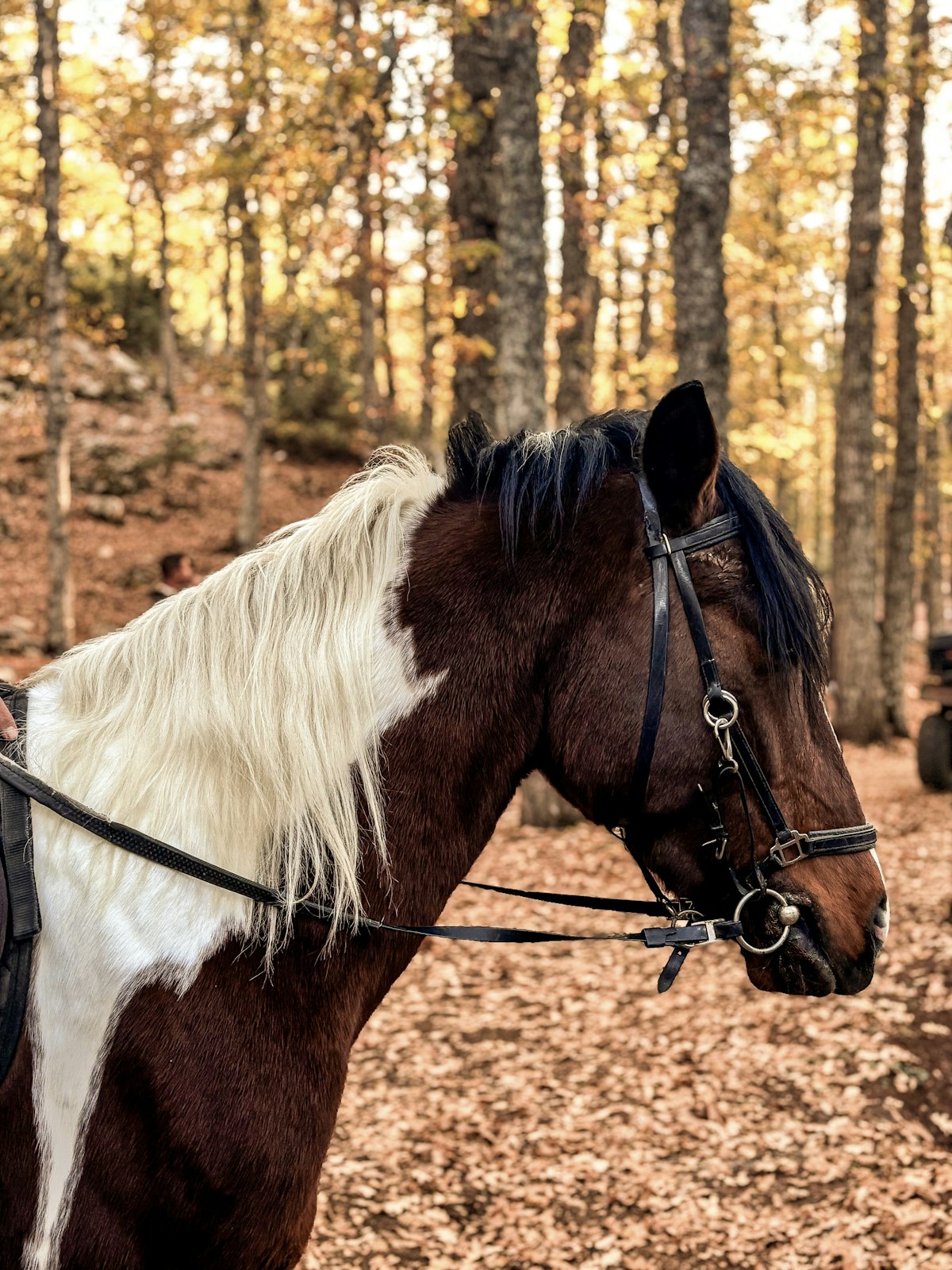
The best value in the Thoroughbred world. These retired racehorses can become excellent sport horses:
- Direct from track: $500 – $3,000
- Through adoption programs: $500 – $1,500
- Started in new career: $3,000 – $8,000
- Retrained and competing: $8,000 – $25,000+
Why so affordable?
- Racing industry produces thousands of retirees annually
- Need retraining for new careers
- Supply exceeds demand
- Organizations subsidize adoptions
Factors Affecting Thoroughbred Prices
1. Pedigree
Bloodlines matter enormously in the Thoroughbred world:
- Top sire lines: Dramatic price premiums
- Stakes winners in pedigree: Increases value
- Proven producers: Breeding stock commands premiums
- Unknown pedigree: Lower prices
2. Age and Career Stage
- Yearlings: Untested potential—wide price range
- Two-year-olds: Some training/breezing times—clearer picture
- Active racehorses: Performance record determines value
- Retired (5-10): Prime for second career
- Older retirees: Lower prices but often best trained
3. Racing Record
For ex-racehorses, track record affects price:
- Stakes winners command premiums
- Total earnings indicate quality
- Soundness history matters more than wins for sport horse buyers
4. Conformation
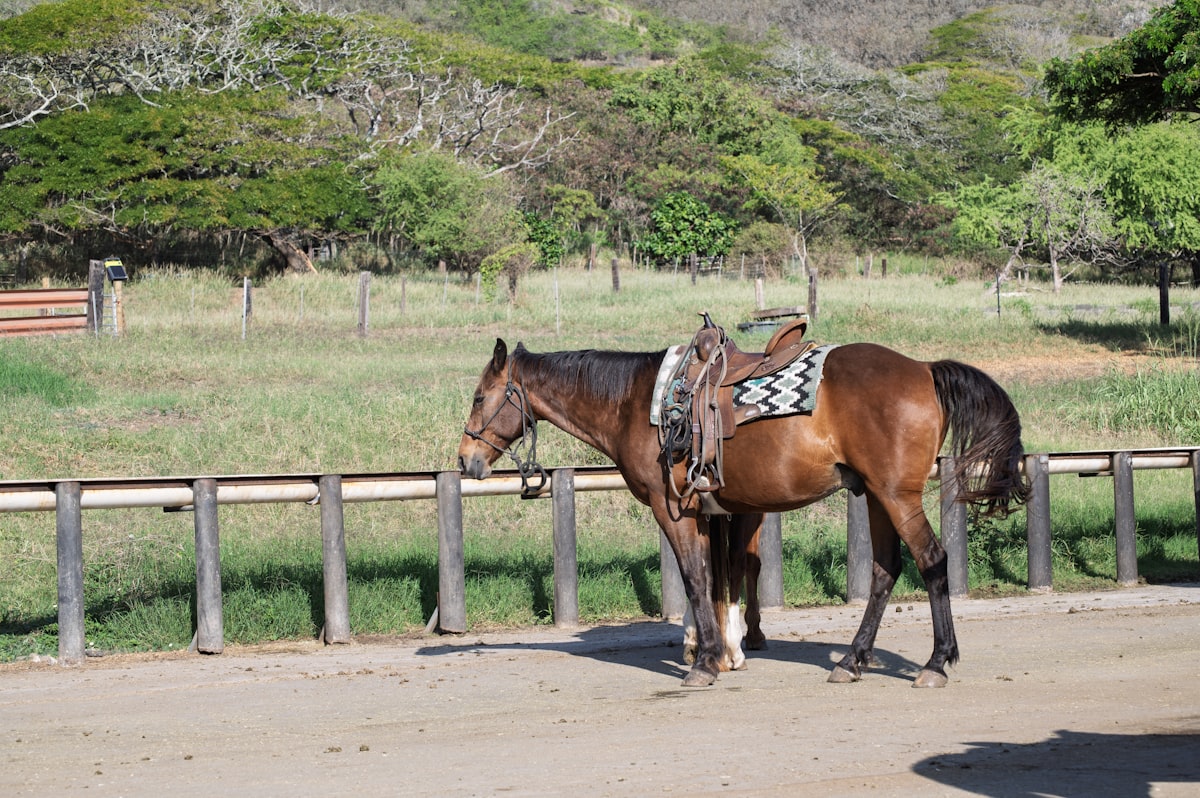
Physical build affects both racing and sport horse values:
- Correct legs and feet crucial
- Good bone for jumping
- Athletic build for dressage
- Size (most are 15.2-17 hands)
Thoroughbred Prices by Purpose
Eventing
Thoroughbreds dominate eventing at all levels:
- OTTB project: $1,000 – $5,000
- Started in eventing: $5,000 – $15,000
- Training/Prelim level: $15,000 – $40,000
- Advanced/International: $50,000 – $200,000+
Show Jumping
- Green prospect: $3,000 – $10,000
- Schooling shows: $8,000 – $20,000
- A-circuit competitive: $25,000 – $75,000
- Grand Prix level: $100,000+
Dressage
- Training level prospect: $3,000 – $10,000
- Showing lower levels: $10,000 – $25,000
- Upper level trained: $30,000 – $75,000
Hunters
- Local hunter: $5,000 – $15,000
- Rated shows: $15,000 – $40,000
- A-circuit hunter: $40,000 – $150,000+
Trail/Pleasure
- OTTB for trails: $1,500 – $5,000
- Trained trail horse: $5,000 – $12,000
- “Bombproof” pleasure horse: $8,000 – $18,000
The OTTB Advantage
Off-Track Thoroughbreds offer exceptional value:
Pros:
- Athletic ability bred in
- Affordable acquisition cost
- Already trained to handle stress
- Good work ethic
- Excel in many disciplines
Cons:
- Need retraining (takes 6-18 months)
- May have physical wear from racing
- Some have behavioral issues from track life
- Require experienced handler initially
Where to Buy a Thoroughbred
OTTB Adoption Programs
Pros: Vetted horses, support, lower cost
Best for: Riders wanting project horses
Organizations include:
- Thoroughbred Aftercare Alliance programs
- New Vocations
- CANTER
- Maker’s Mark Secretariat Center
Racing Auctions
Pros: Wide selection, transparent bidding
Cons: Competitive, premium prices
Private Sales
Pros: Negotiate price, see horse in environment
Cons: Varying quality
Trainers
Pros: Know horse’s abilities and quirks
Cons: May price higher
Ongoing Costs
Thoroughbreds typically cost the same as other horses to maintain:
| Expense | Monthly Cost |
|---|---|
| Board | $300 – $1,500 |
| Farrier | $50 – $200 |
| Veterinary (averaged) | $50 – $150 |
| Training (if retraining OTTB) | $500 – $1,500 |
Tips for Buying a Thoroughbred
- Get a pre-purchase exam: Essential, especially for OTTBs with racing history
- Review racing records: Available free on equibase.com
- Ask about leg history: Many racehorses have had treatments
- Consider personality: Some transition better than others
- Factor in retraining costs: Budget $5,000-$15,000 for professional help
- Be patient: The right horse is worth waiting for
The Bottom Line
Thoroughbred prices span an enormous range—from free adoption to tens of millions at auction. For most recreational and competitive riders, the sweet spot is the OTTB market, where $1,000-$10,000 can buy an athletic horse with tremendous potential. Add retraining time and costs, and you may have $15,000-$25,000 total invested in a horse that would cost $50,000+ if purchased already retrained.
The Thoroughbred’s athletic ability, intelligence, and versatility make them excellent partners across disciplines—and often at prices far below their actual value.
Sources: The Jockey Club, Thoroughbred Aftercare Alliance, Keeneland Sales, EQUUS Magazine

Leave a Reply