![Horse Grooming Tools Every Owner Needs [2026]](https://horsebesties.com/wp-content/uploads/sites/115/2026/01/horse_grooming-1024x600.png)
Regular grooming isn’t just about keeping your horse looking good—it’s essential for health, bonding, and catching problems early. Here’s your complete guide to horse grooming.
Why Grooming Matters
- Health monitoring: Spot cuts, swelling, heat, or skin issues
- Circulation: Stimulates blood flow and natural oils
- Bonding: Builds trust and relationship
- Comfort: Removes dirt, sweat, and irritants
- Preparation: Clean coat under tack prevents sores
Essential Grooming Tools
The Basic Kit
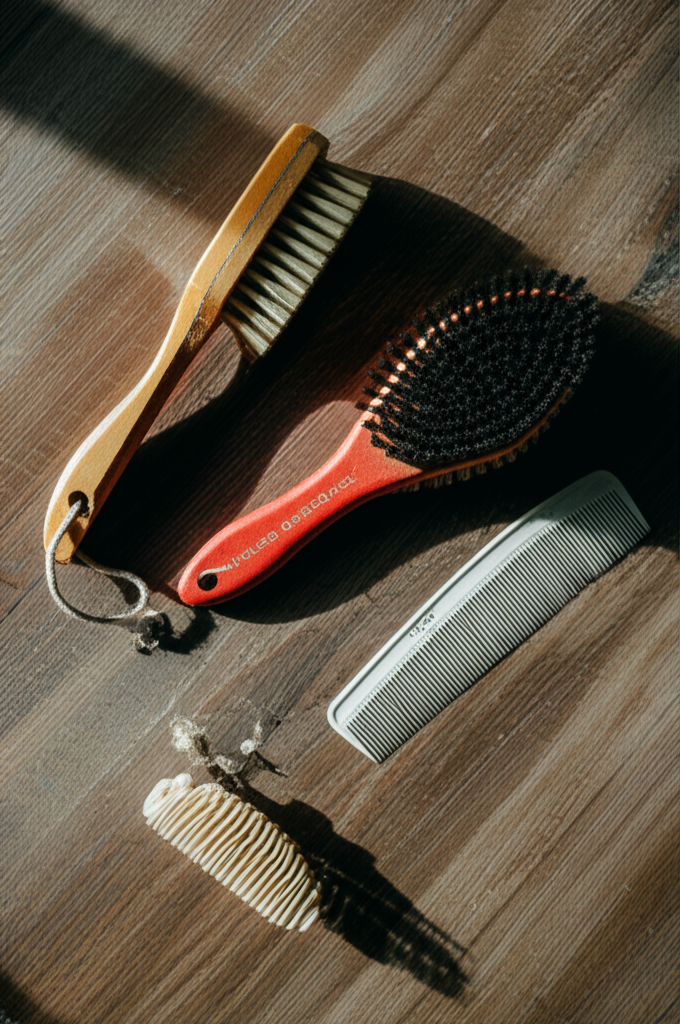
| Tool | Purpose | Price Range |
|---|---|---|
| Curry comb (rubber) | Loosen dirt and hair | $5-15 |
| Dandy brush (stiff) | Remove loose dirt | $8-20 |
| Body brush (soft) | Final finishing, face | $10-30 |
| Mane/tail comb | Detangle mane and tail | $5-15 |
| Hoof pick | Clean hooves | $3-10 |
| Shedding blade | Remove loose winter coat | $8-15 |
Step-by-Step Grooming Routine
Step 1: Secure Your Horse
- Cross-tie or tie with quick-release knot
- Ensure horse is calm and relaxed
- Work in well-lit area
Step 2: Pick Out Hooves
- Start with front hooves
- Stand beside horse, facing rear
- Run hand down leg, say “foot”
- Pick from heel to toe
- Check for stones, thrush, cracks
- Repeat for all four feet
Step 3: Curry Comb
- Use circular motions on large muscle areas
- Start at neck, work toward hindquarters
- Avoid bony areas (legs, face, spine)
- Apply firm pressure—most horses enjoy this
- This loosens dirt, dead hair, and dander
Step 4: Dandy Brush
- Use short, flicking strokes
- Follow direction of hair growth
- Brush away the dirt loosened by curry
- Work systematically: neck to hindquarters
Step 5: Body Brush
- Softer brush for finishing
- Use on face, ears, and legs
- Brings out natural shine
- Distributes coat oils
Step 6: Mane and Tail
- Use fingers or wide-tooth comb
- Start at bottom, work up
- Detangle small sections at a time
- Use detangler spray if needed
- Never yank—hair doesn’t grow back quickly
Step 7: Face
- Use soft brush or damp cloth
- Wipe around eyes and nostrils
- Clean inside ears gently
- Check for discharge or swelling
Bathing Your Horse
When to Bathe
- Before shows
- After heavy sweating
- To treat skin conditions
- When truly dirty (not routine)
Bathing Tips
- Use horse-specific shampoo
- Rinse thoroughly—soap residue causes irritation
- Don’t bathe in cold weather
- Use sweat scraper to remove water
- Walk until dry or use cooler
Seasonal Grooming
Spring (Shedding Season)
- Daily currying helps remove winter coat
- Use shedding blade
- Expect hair everywhere!
Summer
- Regular baths okay
- Fly spray after grooming
- Keep mane/tail conditioned
Fall
- Coat thickening begins
- Watch for rain rot
Winter
- Dry grooming only (no baths)
- Check for skin conditions under thick coat
- Keep hooves picked out
Common Grooming Mistakes
- Skipping hoof care: Most important step
- Using dirty brushes: Spreads skin issues
- Brushing muddy coat: Wait until dry
- Rushing: Grooming should be relaxing
- Ignoring subtle changes: Note any bumps, heat, or swelling
The Bottom Line
Daily grooming keeps your horse healthy, comfortable, and looking great. More importantly, it’s your chance to bond and catch health issues early. Invest in quality tools, develop a consistent routine, and enjoy this special time with your horse.
Sources: American Association of Equine Practitioners, The Horse Journal

Leave a Reply