![Equine Massage and Bodywork Benefits for Your Horse [2026]](https://horsebesties.com/wp-content/uploads/sites/115/2026/01/horse_massage-1024x600.png)
Equine massage and bodywork have become increasingly popular for helping horses perform better, recover faster, and stay comfortable. But what exactly is equine bodywork, and does your horse need it?
What Is Equine Bodywork?
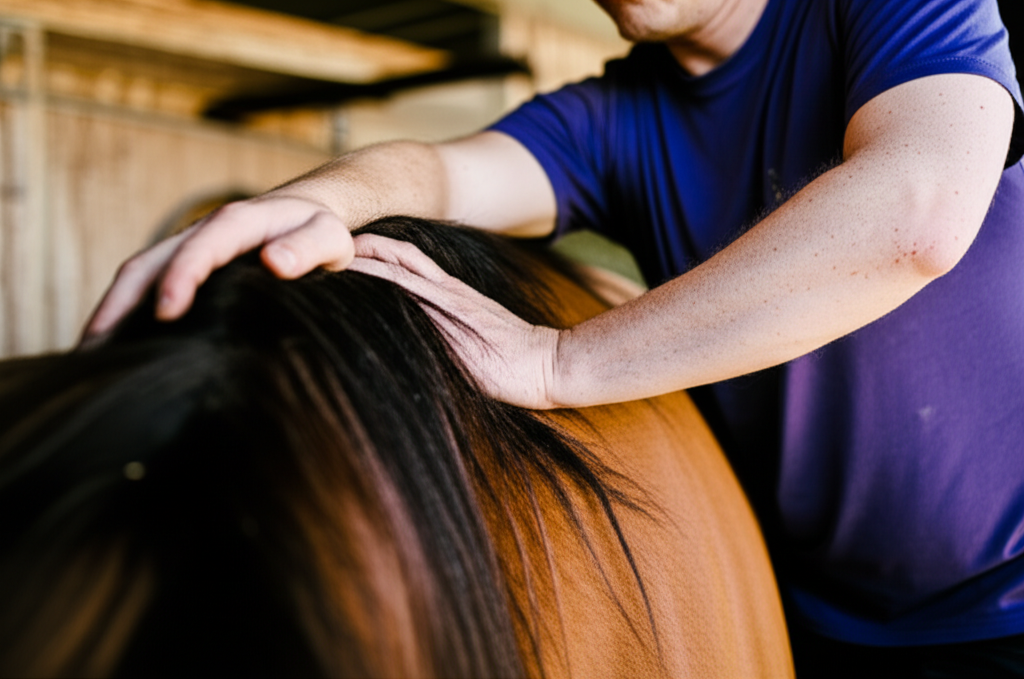
Equine bodywork includes various hands-on therapies designed to improve comfort, mobility, and performance:
- Massage therapy
- Chiropractic care
- Acupuncture
- Myofascial release
- Stretching
Types of Equine Bodywork
Massage Therapy
Manipulation of soft tissue to improve circulation and reduce tension.
- Benefits: Relaxation, improved circulation, reduced muscle tension
- Cost: $50-150 per session
- Frequency: Monthly for maintenance, more for athletes
Chiropractic
Spinal and joint adjustments to restore proper alignment.
- Benefits: Improved mobility, pain relief, better performance
- Cost: $75-200 per session
- Performed by: Veterinarians or certified animal chiropractors
Acupuncture
Insertion of thin needles at specific points to promote healing.
- Benefits: Pain management, improved energy flow
- Cost: $100-250 per session
- Performed by: Veterinarians trained in acupuncture
Myofascial Release
Gentle sustained pressure on connective tissue restrictions.
- Benefits: Improved flexibility, pain relief
- Cost: $60-150 per session
Signs Your Horse May Need Bodywork
Behavioral Signs
- Resistance to being saddled
- Head tossing or tail swishing
- Reluctance to move forward
- Bucking or crow-hopping
- Difficulty bending one direction
- Attitude changes
Physical Signs
- Uneven muscle development
- Stiffness after rest
- Short, choppy stride
- Difficulty picking up leads
- Sensitivity to grooming certain areas
- Visible muscle tension or twitching
Performance Signs
- Decreased performance
- Loss of impulsion
- Difficulty collecting
- Rushing jumps
- Refusing or stopping
Benefits of Regular Bodywork
For All Horses
- Improved comfort and well-being
- Better flexibility and range of motion
- Faster recovery from work
- Early detection of problems
- Relaxation and stress relief
For Performance Horses
- Enhanced athletic performance
- Injury prevention
- Faster recovery between competitions
- Improved movement quality
For Senior Horses
- Arthritis management
- Maintained mobility
- Comfort in later years
- Slowed deterioration
Costs of Equine Bodywork
| Service | Cost per Session |
|---|---|
| Basic massage | $50 – $100 |
| Advanced massage/bodywork | $75 – $150 |
| Chiropractic adjustment | $75 – $200 |
| Acupuncture | $100 – $250 |
| Combined session | $125 – $300 |
How Often Should Horses Get Bodywork?
Maintenance Schedule
- Light work horses: Every 4-8 weeks
- Regular riding horses: Every 2-4 weeks
- Performance horses: Weekly to bi-weekly
- Rehabilitation: As directed by vet
Finding a Qualified Practitioner
Credentials to Look For
- Massage: Certified equine massage therapist (CESMT, ESMT)
- Chiropractic: AVCA certified or veterinarian
- Acupuncture: IVAS certified veterinarian
Questions to Ask
- What training and certification do you have?
- How long have you worked with horses?
- Can you provide references?
- What do you notice in my horse?
DIY: Basic Massage You Can Do
Simple Techniques
- Effleurage: Long, gliding strokes to warm up muscles
- Compression: Rhythmic pressure on large muscles
- Carrot stretches: Encourage neck flexion with treats
- Leg stretches: Gentle forward and backward stretches
When NOT to Massage
- Open wounds or skin conditions
- Fever or illness
- Acute injury or swelling
- Immediately after vaccination
The Bottom Line
Equine bodywork isn’t just for elite performance horses—it can benefit any horse by improving comfort, mobility, and quality of life. Budget $50-150 per session for massage, more for chiropractic or acupuncture. Monthly maintenance sessions are a worthwhile investment in your horse’s well-being, and can help catch problems before they become serious.
Sources: American Veterinary Chiropractic Association, International Veterinary Acupuncture Society

Leave a Reply