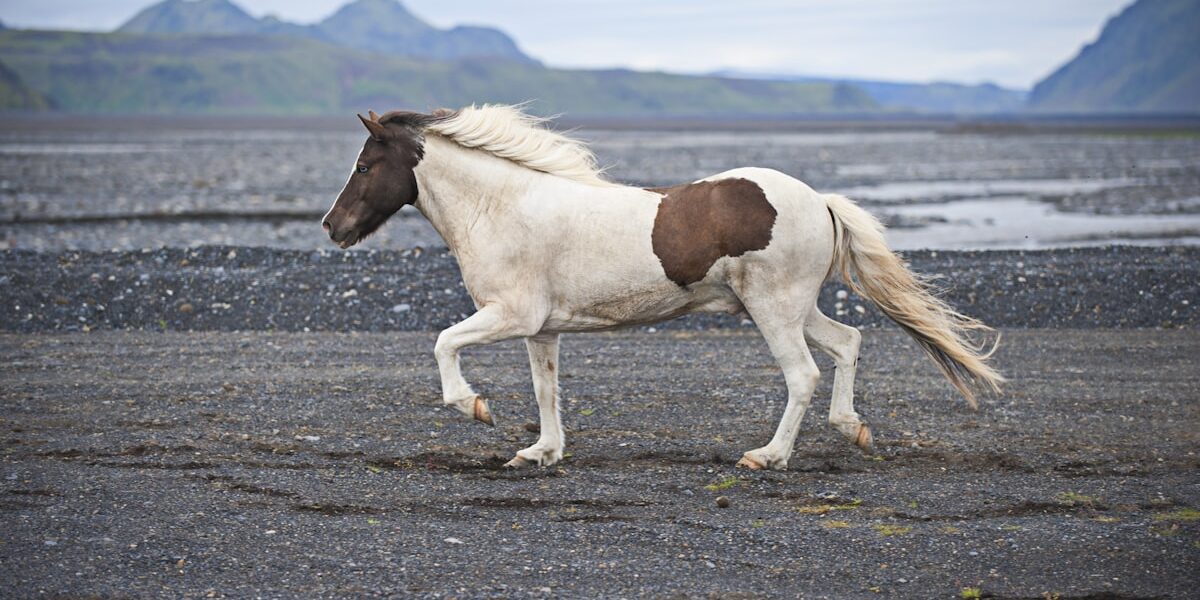
Feeding apples to horses has gotten complicated with all the conflicting advice flying around. As someone who’s spent over a decade around barns and way too many hours researching equine nutrition, I learned everything there is to know about giving horses apples safely. Today, I will share it all with you.
Short version? Yes, your horse can have apples. But there’s more to it than just tossing one over the fence.
Can Horses Eat Apples? The Quick Answer
Yes, horses can safely eat apples. They’re one of those treats that pretty much every horse I’ve ever met goes absolutely nuts for. That satisfying crunch, the sweetness — it’s like candy to them, except it’s actually got some nutritional value.
That said, you can’t just hand your horse a bushel and walk away. Like anything good, moderation matters.
Nutritional Benefits of Apples for Horses
Probably should have led with this section, honestly. Here’s what your horse actually gets from an apple:
- Vitamin A – Keeps their vision sharp, skin healthy, and immune system humming along
- Vitamin C – Works as an antioxidant that supports their overall health
- Fiber – Helps keep the digestive system moving the way it should
- Potassium – Essential for muscle and nerve function
- Water content – About 85% water, so it’s a sneaky way to add hydration
A single medium apple gives you roughly:
- 95 calories
- 25 grams of carbohydrates
- 19 grams of natural sugar
- 4 grams of fiber
Not bad for a treat, right?

How to Safely Feed Apples to Your Horse
I’ve seen people just chuck a whole apple at their horse and call it a day. Don’t be that person. Here’s how to do it right.
1. Wash the Apple First
This one’s easy to forget, but it matters. Pesticides, wax coatings, random dirt — you don’t want any of that going into your horse. Organic apples are great if you can swing it, but a good rinse under the tap works fine for conventional ones.
2. Cut Them Into Pieces
This is the one that trips people up. Whole apples can actually be a choking hazard, especially for horses that inhale their food like my old gelding used to. Quarter them at minimum. I usually go even smaller — roughly the size of a large sugar cube.
3. Remove the Core and Seeds
Apple seeds do contain trace amounts of amygdalin, which breaks down into cyanide during digestion. Now, before you panic, your horse would need to eat an absurd number of seeds for it to be dangerous. But why risk it? Takes two seconds to pop the core out.
4. Don’t Go Overboard
I know, I know — those big soft eyes make it hard to say no. But too many apples can cause real problems:
- Digestive upset and loose stool
- Unwanted weight gain over time
- Increased laminitis risk in horses that are already susceptible
How Many Apples Can a Horse Eat?
For your average healthy horse around 1,000 lbs, here’s what I stick to:
- Daily limit: 1-2 apples, tops
- Weekly total: I try to keep it under 6-8 apples
- Training treats: A few slices here and there for positive reinforcement is totally fine
The general rule I follow is that treats shouldn’t make up more than 10% of your horse’s daily intake. Hay and pasture need to be doing the heavy lifting.

Which Horses Should Skip the Apples?
Most horses do great with apples, but there are some exceptions. I learned this one the hard way with a mare I was caring for years ago who had metabolic issues.
Horses with Metabolic Problems
- Insulin-resistant horses – The sugar content can throw things off
- Horses prone to laminitis – Even natural sugars can trigger an episode
- Horses with Cushing’s disease (PPID) – These guys often have metabolic complications stacked on top
Horses on Restricted Diets
- Easy keepers – If your horse gains weight just looking at food, limit all treats
- Horses with dental issues – Hard apples can be tough to chew if teeth aren’t in great shape
When in doubt, just ask your vet. They know your horse’s situation better than any article can.
Can Horses Eat Apple Peels and Cores?
Apple Peels
Absolutely, horses can eat the peel. That’s actually where a ton of the nutrients hang out. Just wash it well first and you’re golden.
Apple Cores
The core itself is generally safe, but it’s a choking risk because of its shape. And those seeds I mentioned earlier? They’re sitting right there in the core. Honestly, it takes so little effort to cut around it that I just always do.
Does the Apple Variety Matter?
That’s what makes apple-feeding endearing to us horse people — every horse seems to have their own preference. But nutritionally, all the common varieties are perfectly safe:
- Red Delicious – Sweet and crunchy, a classic
- Granny Smith – More tart, but most horses don’t mind
- Fuji – Super sweet, often a big hit
- Gala – Mild sweetness, hard to go wrong
- Honeycrisp – Juicy and sweet, though your wallet might object
In my experience, horses tend to gravitate toward the sweeter varieties, but I’ve known a few oddballs that seemed to prefer Granny Smiths.
What About Cooked Apples or Applesauce?
Cooked Apples
Plain cooked apples — no sugar, no cinnamon, no butter — are fine for horses. But I’ve never met a horse that preferred mushy over crunchy. They want that snap.
Applesauce
Unsweetened applesauce is actually really handy for a few things:
- Hiding medications (this has saved my sanity more than once)
- Feeding horses with bad teeth who can’t handle hard treats
- Giving senior horses a special snack
Just stay away from the sweetened stuff. Added sugar is the last thing any horse needs.
Signs Your Horse Has Had Too Many Apples
Mistakes happen. Maybe your horse got into the bag, or maybe a well-meaning visitor went a little overboard with treats. Watch for:
- Loose stool or outright diarrhea
- Bloating or excess gas
- Not interested in their regular feed
- Colic signs — pawing, rolling, staring at their flanks
If you see anything that looks like colic, don’t wait around. Get your vet on the phone.
Fun Ways to Feed Apples
Once you’ve got the basics down, you can get creative:
- Frozen apple slices – Perfect on those scorching summer days
- Apple and carrot mix – Two favorites in one bowl
- Hidden in hay – Makes them forage for it, which is great mental stimulation
- Training rewards – Small pieces work great for reinforcing good behavior
- Stuffed in treat balls – Keeps them busy and thinking
Other Fruits Your Horse Might Enjoy
If your horse is an apple fan, there’s a good chance they’ll love these too:
- Carrots – The other classic horse treat
- Bananas – Peel and all, believe it or not
- Watermelon – Rind included, most horses love it
- Strawberries – In small amounts
- Pears – Similar deal to apples
Check out our complete guide to horse nutrition for more details on what’s safe and what to avoid.
Wrapping It Up
Apples are one of the easiest, cheapest, and healthiest treats you can give your horse. I’ve been feeding them to horses for years and I’ve never had a problem — as long as I stick to the basics. Wash them, chop them up, and don’t go crazy with the quantity.
- Always wash before feeding
- Cut into pieces so they don’t choke
- Keep it to 1-2 apples a day at most
- Skip them for horses with metabolic conditions
Trust me, the look on your horse’s face when they hear that apple crunch makes it all worth it.



Leave a Reply