![Can Horses Eat Chocolate? Toxic Foods Warning [2026]](https://horsebesties.com/wp-content/uploads/sites/115/2026/01/chocolate-danger-1024x600.png)
No, horses should never eat chocolate. Chocolate is toxic to horses and can cause serious health problems or even death. This isn’t a “moderation” issue—chocolate should be completely avoided.
Why Chocolate Is Dangerous for Horses
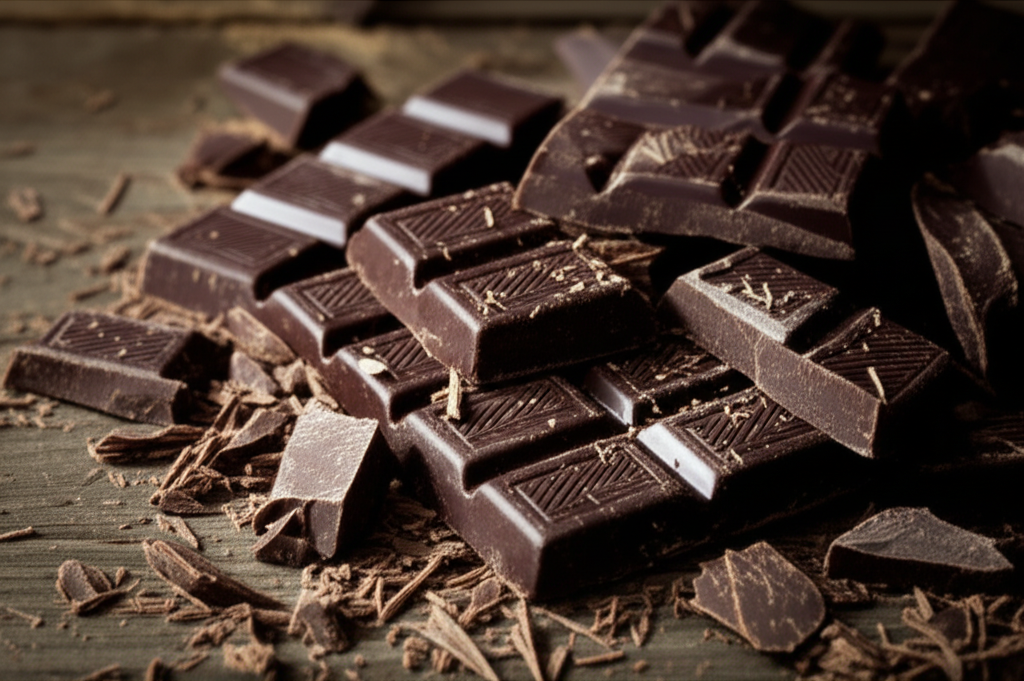
Chocolate contains two compounds that are toxic to horses:
Theobromine
- The primary danger in chocolate
- Horses metabolize theobromine slowly
- Builds up to toxic levels in the body
- Affects the heart, nervous system, and muscles
Caffeine
- Also present in chocolate
- Stimulates the nervous system
- Can cause dangerous heart rhythm changes
- Compounds the effects of theobromine
Theobromine Content by Chocolate Type
| Chocolate Type | Theobromine Content | Danger Level |
|---|---|---|
| Baking chocolate | Very high | Extremely dangerous |
| Dark chocolate | High | Very dangerous |
| Milk chocolate | Moderate | Dangerous |
| White chocolate | Very low | Less toxic but still avoid |
| Cocoa powder | Very high | Extremely dangerous |
Note: Dark and baking chocolate are the most dangerous, but ALL chocolate should be avoided.
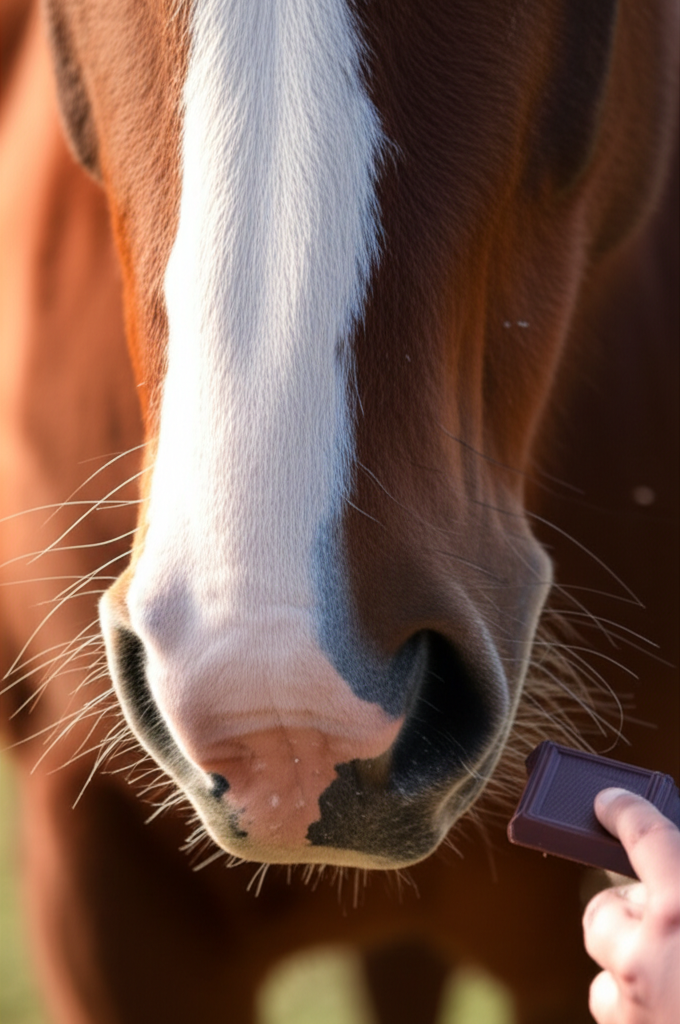
How Much Chocolate Is Dangerous?
The toxic dose depends on the horse’s size and the type of chocolate:
- Small amounts: May cause mild symptoms
- Moderate amounts: Can cause serious illness
- Large amounts: Can be fatal
Important: There’s no “safe” amount. Any chocolate consumption should be treated seriously.
Symptoms of Chocolate Poisoning
Signs may appear within hours of consumption:
Early Signs
- Restlessness and agitation
- Increased heart rate
- Excessive urination
- Sweating
- Hyperactivity
Progressive Symptoms
- Tremors or muscle twitching
- Irregular heartbeat
- Rapid breathing
- Diarrhea
- Seizures
Severe Cases
- Heart failure
- Respiratory failure
- Coma
- Death
What to Do If Your Horse Eats Chocolate
- Call your veterinarian immediately
- Note what was eaten: Type of chocolate, approximate amount
- Note the time: When did the horse eat it?
- Keep the horse calm: Reduce stimulation
- Remove any remaining chocolate: Prevent further consumption
- Monitor for symptoms: Report changes to your vet
Do NOT:
- Try to induce vomiting (horses can’t vomit)
- Wait to see if symptoms develop before calling
- Assume a small amount is safe
Competition Implications
Beyond toxicity, chocolate contains substances banned in competition:
- Theobromine is a controlled substance in horse sports
- Can result in positive drug tests
- Disqualification and penalties
- This is another reason to keep horses away from chocolate
Why Do Some People Think Chocolate Is OK?
You may have heard of horses eating chocolate without obvious problems. This happens because:
- Small amounts may not cause visible symptoms
- Toxicity can be cumulative
- Damage may occur without obvious signs
- “Getting away with it” doesn’t make it safe
Safe Alternatives to Chocolate
If you want to give your horse a special treat:
| Safe Treat | Why It’s Good |
|---|---|
| Carrots | Nutritious, crunchy, loved by horses |
| Apples | Sweet, nutritious (cut into pieces) |
| Peppermints | Sweet treat in moderation |
| Watermelon | Hydrating, sweet |
| Horse treats (commercial) | Formulated to be safe |
Preventing Accidental Exposure
- Never leave chocolate in the barn
- Educate visitors about the danger
- Keep Halloween candy away from horses
- Don’t feed horses from your snack bag
- Check commercial treats for cocoa ingredients
The Bottom Line
Chocolate is toxic to horses—period. The theobromine and caffeine can cause serious heart and nervous system problems, and in severe cases, death. There is no safe amount. If your horse eats chocolate, call your vet immediately. Stick to safe treats like carrots, apples, and commercial horse treats designed to be safe.
Sources: ASPCA Animal Poison Control, American Association of Equine Practitioners, UC Davis School of Veterinary Medicine



Leave a Reply