Your horse eats grass all day, so grass clippings from the lawn mower should be fine, right? Actually, no. Grass clippings are one of the most dangerous things you can feed a horse. Here’s why you should never give your horse lawn clippings.
Can Horses Eat Grass Clippings?
No. Never feed grass clippings to horses. This is not a “moderation” situation—grass clippings are genuinely dangerous.
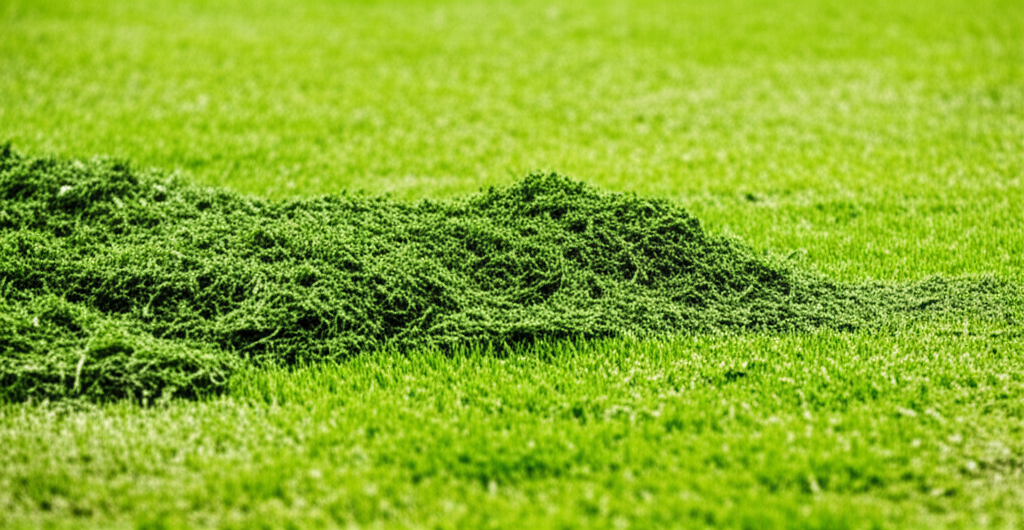
Why Grass Clippings Are Dangerous
1. Rapid Fermentation
This is the biggest danger:
- Clippings begin fermenting almost immediately after cutting
- Piled clippings heat up and ferment rapidly
- Fermentation produces gases and changes the plant material
- Horses’ digestive systems cannot handle rapidly fermenting material
The result: Severe colic, which can be fatal.
2. Bolting and Choke
Grass clippings are:
- Cut into small pieces
- Easy to swallow without chewing
- Compact into dense masses
Horses tend to gobble clippings quickly, leading to:
- Choke (esophageal obstruction)
- Impaction colic
- Compacted material in the gut
3. Mold and Toxins
Clippings develop mold quickly:
- Even clippings that look fresh may have mold starting
- Mold produces mycotoxins
- Mycotoxins can cause severe illness
- Some molds are deadly to horses
4. Chemical Contamination
Lawn clippings often contain:
- Herbicides (weed killers)
- Pesticides
- Fertilizers
- Lawn treatments
Even “safe for pets” products may not be safe for horses to consume in quantity.
5. Foreign Materials
Mowers pick up dangerous items:
- Rocks and gravel
- Pieces of plastic or metal
- Twigs and debris
- Toxic plants mixed in
What Happens When Horses Eat Grass Clippings
Potential consequences include:
| Condition | Symptoms | Severity |
|---|---|---|
| Colic | Pawing, rolling, distress | Can be fatal |
| Choke | Drooling, distress, unable to swallow | Veterinary emergency |
| Laminitis | Heat in feet, reluctance to move | Can be permanent |
| Poisoning | Variable depending on toxin | Can be fatal |
But Horses Eat Grass All Day!
Yes, but there’s a crucial difference:
Grass in pasture:
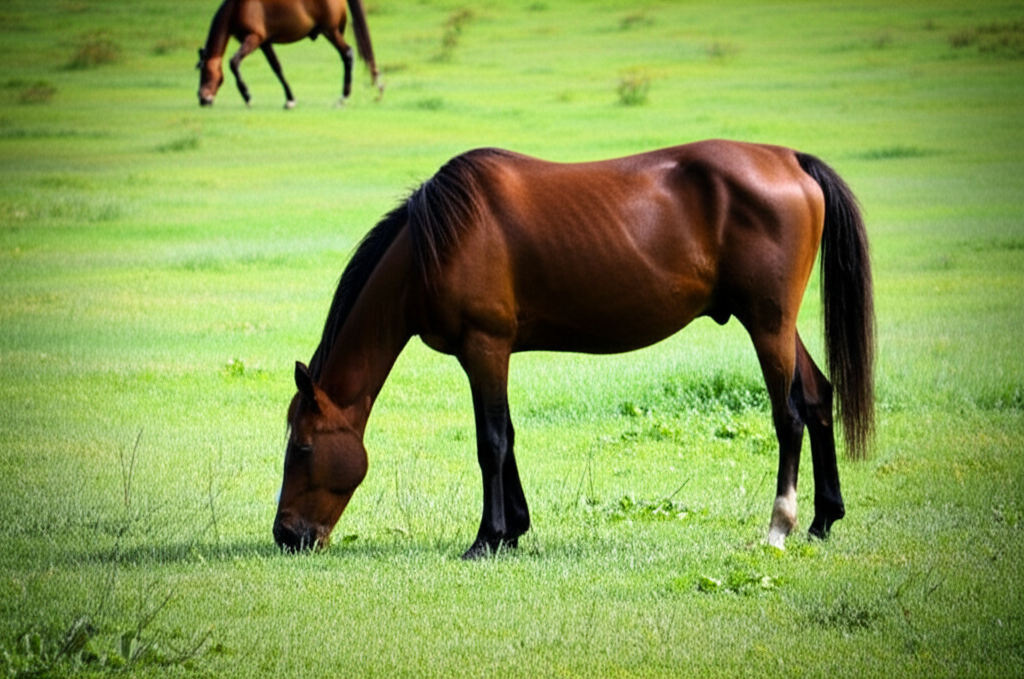
- Eaten slowly as the horse grazes
- Chewed thoroughly
- Fresh and still alive
- Mixed with saliva for proper digestion
- Consumed over many hours
Grass clippings:
- Eaten rapidly (horses gobble them)
- Little to no chewing
- Already dying/fermenting
- Dense, compacted material
- Consumed in minutes
What to Do Instead
With Grass Clippings
- Compost them away from horses
- Bag and dispose in trash
- Use as garden mulch (away from horses)
- Never dump near pastures or paddocks
For Your Horse
- Provide quality hay
- Allow grazing on standing grass
- Feed safe treats (carrots, apples)
- Use hay stretchers if more forage is needed
What If My Horse Ate Grass Clippings?
Take it seriously.
- Remove any remaining clippings immediately
- Call your veterinarian
- Monitor closely for the next 24-48 hours
- Watch for colic signs (pawing, rolling, distress)
- Watch for choke signs (drooling, distress, extended neck)
- Note how much was consumed and how long ago
Neighbor Problems
Well-meaning neighbors sometimes dump clippings over fence lines thinking they’re helping:
- Put up signs: “Please don’t feed the horses”
- Explain the danger to neighbors
- Check fence lines regularly
- Consider fencing that prevents dumping
Frequently Asked Questions
What about hand-pulled grass?
Small amounts of freshly pulled grass (not cut with a mower) are generally safer, but still not recommended. The concern is rapid consumption without proper chewing.
Can I spread clippings thinly on pasture?
No. Even spread thinly, clippings ferment and horses will seek them out.
Are grass clippings okay if I watch the horse eat slowly?
No. The fermentation problem exists regardless of eating speed. Plus, you can’t control what a horse does.
The Bottom Line
Grass clippings are genuinely dangerous for horses—this isn’t overcautious advice. The fermentation, choke risk, and potential chemical contamination make them a serious hazard. Never feed grass clippings, and ensure neighbors and visitors understand this rule. Your horse will be perfectly happy with hay, pasture grass (standing), and safe treats instead.
Sources: British Horse Society, AAEP, University of Minnesota Extension, Kentucky Equine Research

Leave a Reply