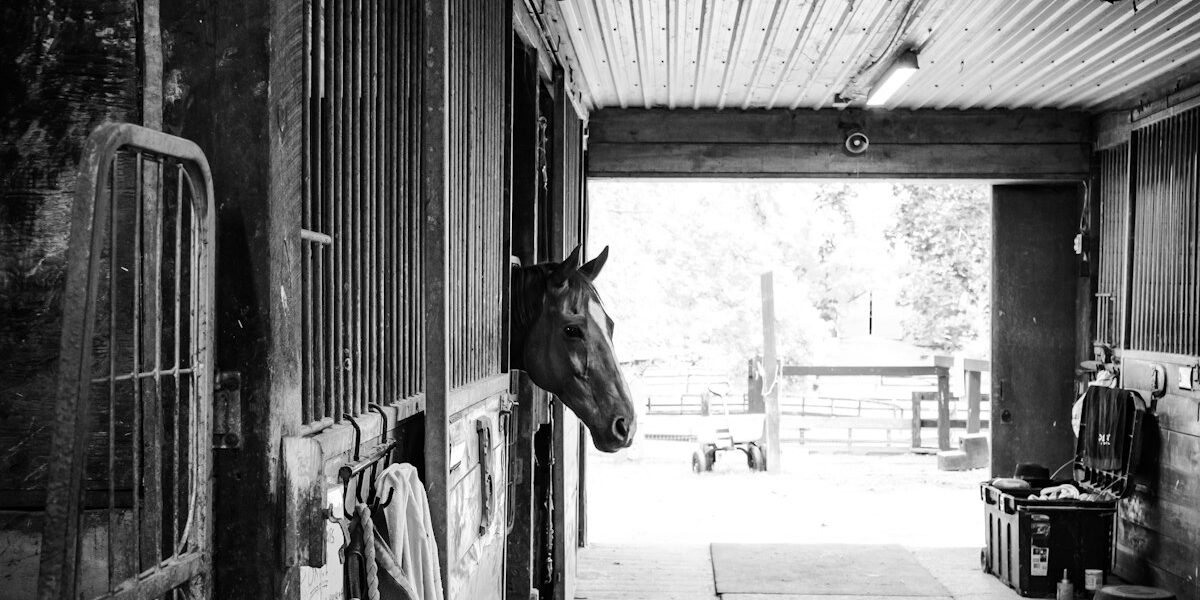
Bringing home your first horse is thrilling, but it can also feel overwhelming. Horses require daily care, consistent routines, and a significant investment of time and resources. This comprehensive guide covers everything new horse owners need to know to keep their equine companion healthy, happy, and thriving.
Before You Bring Your Horse Home
Preparing Your Property
Before your horse arrives, you’ll need adequate facilities. At minimum, you’ll need:
- Pasture or paddock – At least one acre per horse is recommended, though two acres is better for grazing needs
- Shelter – A run-in shed, barn, or three-sided structure that provides protection from wind, rain, and sun
- Secure fencing – Wood board, vinyl, or wire mesh fencing at least 4.5-5 feet high. Avoid barbed wire.
- Water source – Automatic waterers, stock tanks, or troughs that can supply 5-10 gallons per horse daily
- Hay storage – A dry, covered area to keep hay protected from moisture
Walk your property before the horse arrives. Remove debris, fill holes, and check fencing for weak spots or protruding nails.
Essential Supplies
Stock up on these basics before bringing your horse home:
- Halter and lead rope (sized appropriately)
- Grooming kit (curry comb, body brush, mane comb, hoof pick)
- Feed buckets and hay nets
- First aid kit (see section below)
- Fly spray
- Manure fork and muck bucket
- At least two weeks of hay
- Salt block or loose mineral supplement
Understanding Horse Nutrition
Forage First
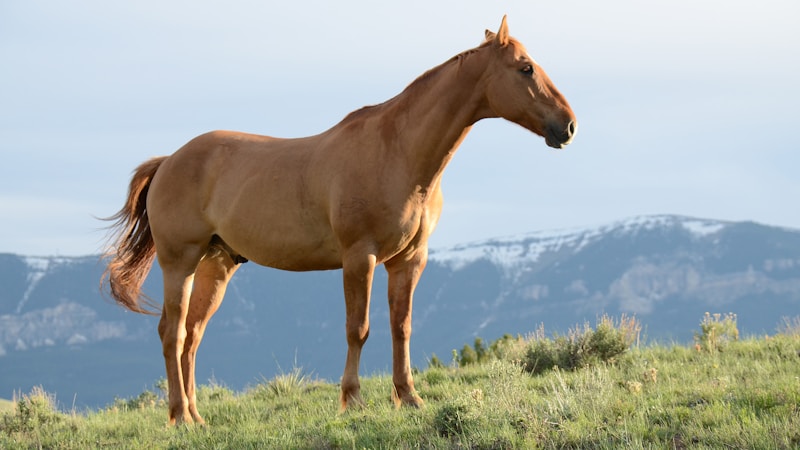
Horses evolved to graze for 16-18 hours a day. Their digestive systems are designed for constant intake of fiber. Forage (hay and pasture) should make up the foundation of every horse’s diet.
General rule: A horse needs 1.5-2% of their body weight in forage daily. For a 1,000 lb horse, that’s 15-20 lbs of hay per day.
Quality matters more than quantity when it comes to hay. Learn to evaluate hay by:
- Color – Should be green, not yellow or brown
- Smell – Should smell fresh and slightly sweet, never musty or moldy
- Texture – Should be dry but not dusty or brittle
- Leaf content – Should have plenty of leaves, not just stems
When to Feed Grain
Many horses do well on hay alone, especially those in light work or easy keepers. However, some horses need grain:
- Horses in moderate to heavy work
- Hard keepers who struggle to maintain weight
- Growing young horses
- Lactating mares
- Senior horses with dental issues
Always introduce grain slowly and feed by weight, not volume. A coffee can of oats weighs less than a coffee can of pellets.
Water Requirements
Fresh, clean water is the most critical nutrient. Horses typically drink 5-10 gallons daily, but this increases dramatically in hot weather or during exercise. Check water sources daily and scrub containers weekly to prevent algae buildup.
Daily Horse Care Routine
Morning Routine
- Visual check – Look at your horse before approaching. Are they alert? Moving normally? Any visible injuries?
- Feed hay – Provide morning hay portion
- Check water – Ensure fresh water is available and the container isn’t frozen in winter
- Clean hooves – Pick out all four hooves, checking for stones, thrush, or heat
- Quick groom – Even just a few minutes of brushing removes dirt and lets you check for injuries
- Feed grain (if applicable) – After the horse has eaten some hay
Evening Routine
- Visual check – Again, observe before approaching
- Feed hay – Evening hay portion (horses should always have access to forage)
- Check water – Top off water supplies
- Clean hooves – Especially important if your horse is stalled
- Feed grain (if applicable)
- Adjust blankets (if applicable based on weather)
Consistency matters to horses. Try to maintain feeding times within the same hour each day.
Hoof Care Fundamentals
No hoof, no horse. This old saying exists because healthy hooves are essential for a sound horse.
Daily Hoof Care
Pick your horse’s hooves daily, or twice daily if stalled. When picking hooves:
- Work from heel to toe
- Clean the grooves (sulci) on either side of the frog
- Check for thrush (black, smelly discharge)
- Look for rocks, nails, or foreign objects
- Feel for heat (can indicate inflammation)
Farrier Visits
Every horse needs regular farrier care, whether they’re barefoot or shod:
- Barefoot horses – Trim every 4-8 weeks depending on hoof growth
- Shod horses – Reset or replace shoes every 4-6 weeks
Build a relationship with a reputable farrier and keep appointments consistent. Don’t wait until hooves are overgrown or shoes are loose.
Grooming Basics
Grooming isn’t just about appearance. Regular grooming:
- Promotes circulation
- Distributes natural oils
- Allows you to check for injuries, skin conditions, or swelling
- Strengthens the bond between horse and handler
Basic Grooming Tools
Curry comb: A rubber or plastic tool used in circular motions to loosen dirt and hair. Use on muscled areas, avoiding bony areas like legs and face.
Body brush (dandy brush): A stiff-bristled brush for flicking away loosened dirt. Use short, flicking strokes in the direction of hair growth.
Soft brush: A fine-bristled brush for finishing and for sensitive areas like the face.
Mane and tail comb: Use sparingly to avoid breaking hairs. Detangle with fingers first, then use a wide-toothed comb starting from the ends.
Hoof pick: Essential daily tool for cleaning hooves.
Grooming Sequence
- Curry entire body in circular motions
- Follow with dandy brush to remove loosened dirt
- Use soft brush for face, legs, and finishing
- Detangle mane and tail
- Pick hooves
- Wipe eyes, nose, and dock area with damp cloth
Health Care and Veterinary Needs
Building Your Veterinary Team
Before you need emergency care, establish a relationship with an equine veterinarian. Look for:
- A vet who specializes in or has extensive experience with horses
- Someone who provides emergency services or has a referral arrangement
- A practice within reasonable driving distance
Vaccination Schedule
Core vaccinations recommended for all horses include:
- Tetanus – Annual booster
- Eastern/Western Encephalomyelitis – Annual, before mosquito season
- West Nile Virus – Annual, before mosquito season
- Rabies – Annual
Additional vaccines depend on geographic location, travel, and exposure risk. Your vet can recommend an appropriate schedule.
Deworming
Deworming practices have evolved. Rather than rotating dewormers on a schedule, many vets now recommend fecal egg counts to determine if and when treatment is needed. Work with your veterinarian to develop a parasite management plan.
Dental Care
Horses need annual dental exams, sometimes more often for young or senior horses. Signs of dental problems include:
- Dropping feed (quidding)
- Weight loss despite adequate feed
- Head tossing or resistance to the bit
- Bad breath
- Difficulty chewing
First Aid Kit
Keep a well-stocked first aid kit in your barn:
- Thermometer (digital rectal)
- Stethoscope
- Wound cleanser (chlorhexidine or betadine solution)
- Sterile gauze pads and bandages
- Self-adhesive bandage wrap (Vetrap)
- Triple antibiotic ointment
- Epsom salt
- Bute or banamine (with vet guidance)
- Scissors, tweezers, flashlight
- Your vet’s emergency number
Recognizing Common Health Problems
Colic
Colic (abdominal pain) is the leading cause of death in horses. Recognize these warning signs:
- Looking at or biting at sides
- Pawing at the ground
- Repeatedly lying down and getting up
- Rolling violently
- Sweating without exercise
- Lack of appetite
- Reduced or absent gut sounds
- No manure output
If you suspect colic, call your vet immediately. Remove food but not water. Walk the horse gently if they’re trying to roll violently.
Lameness
Any irregularity in gait is considered lameness. Causes range from simple stone bruises to serious joint problems. If your horse is lame:
- Check hooves for rocks or injuries
- Feel legs for heat or swelling
- Rest the horse
- Call the vet if lameness persists more than 24-48 hours or is severe
Wounds
Horses are remarkably talented at injuring themselves. For wounds:
- Stop bleeding by applying pressure
- Clean the wound with diluted chlorhexidine or saline
- Assess depth and location
- Call the vet for deep wounds, wounds near joints, wounds that won’t stop bleeding, or puncture wounds
Understanding Horse Behavior
How Horses Communicate
Horses are prey animals, and much of their behavior stems from this fact. They communicate through:
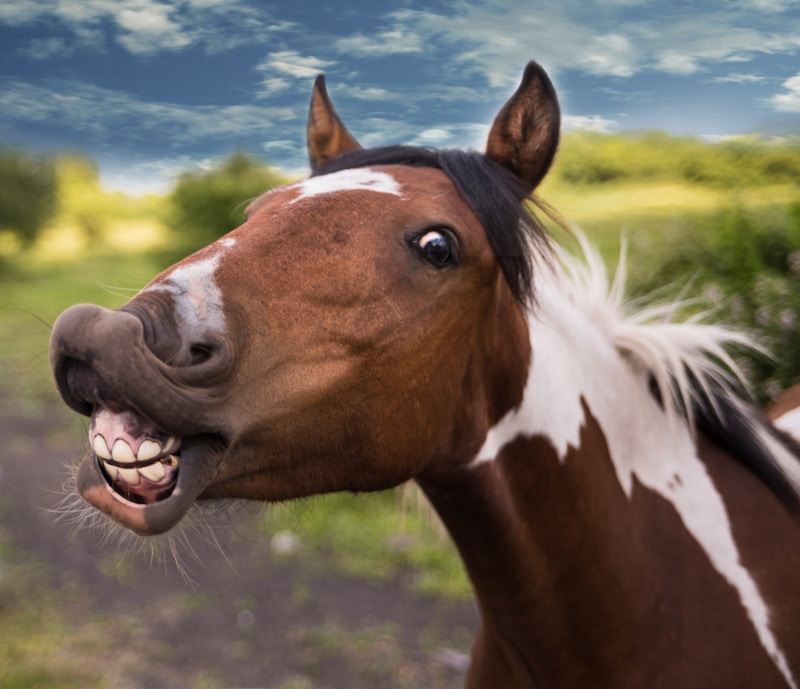
- Ear position – Forward ears indicate interest; pinned ears signal aggression or pain; relaxed ears to the side indicate calmness
- Body language – Tension, relaxation, direction of attention
- Vocalizations – Nickers (greeting), whinnies (calling), squeals (excitement or aggression)
- Tail movement – Swishing can indicate irritation or flies; a raised tail often indicates excitement
Flight Response
Remember that horses’ first instinct when frightened is to run. Give them time to assess scary objects rather than forcing confrontation. Work on desensitization gradually.
Herd Dynamics
Horses are social animals and generally happier with companions. If you only have one horse, consider a buddy animal like a goat or donkey. Understand that when introducing new horses, there will be a period of establishing hierarchy.
Seasonal Care Considerations
Summer Care
- Provide shade and unlimited water
- Apply fly spray and use fly sheets or masks
- Avoid riding during the hottest parts of the day
- Watch for signs of heat stress
- Keep up with manure management to reduce flies
Winter Care
- Ensure water doesn’t freeze (use heated buckets or break ice frequently)
- Increase hay to help horses generate body heat
- Provide shelter from wind and precipitation
- Blanket appropriately based on your horse’s coat and climate
- Continue exercise when safe to do so
When to Call the Vet
As a new owner, when in doubt, call. However, these situations always warrant immediate veterinary attention:
- Signs of colic
- Severe lameness (unable to bear weight)
- Wounds that won’t stop bleeding
- Puncture wounds (especially to the foot)
- Eye injuries
- Difficulty breathing
- Fever over 101.5F
- Profuse diarrhea
- Horse down and unable to rise
- Any signs of choke (saliva and feed draining from nostrils)
Building Your Knowledge
Becoming a skilled horse owner is a journey, not a destination. Continue learning through:
- Books and reputable online resources
- Clinics and workshops
- Experienced horse owners who are willing to mentor
- Your veterinarian and farrier
- Local horse clubs and organizations
Final Thoughts
Caring for a horse is a significant commitment, but it’s also deeply rewarding. The key to success is consistency: consistent routines, consistent care, and consistent attention to your horse’s wellbeing.
Don’t be afraid to ask for help. Every experienced horse owner was once a beginner, and most are happy to share their knowledge. Trust your instincts, too. If something seems off with your horse, it probably is.
Welcome to horse ownership. The learning never stops, but neither does the joy these magnificent animals bring into our lives.
Explore more of our horse care guides to continue building your knowledge.

Leave a Reply