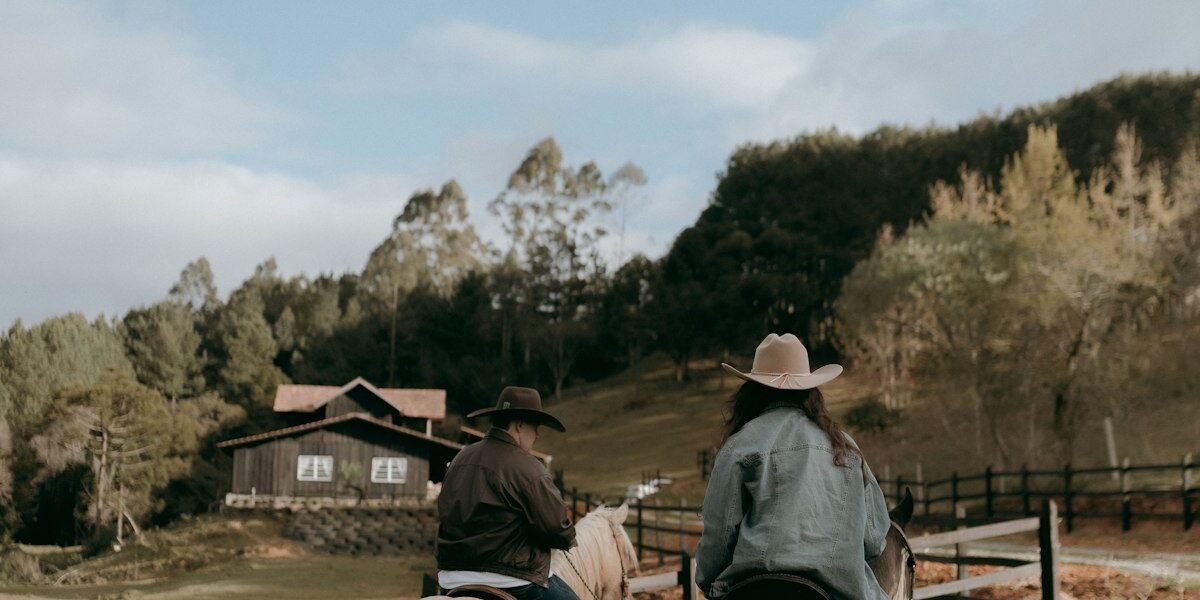
Buying your first horse has gotten complicated with all the online listings, flashy sales videos, and conflicting advice flying around. As someone who’s been through this process multiple times—and made plenty of mistakes along the way—I learned everything there is to know about finding the right horse without losing your shirt or your sanity. Today, I will share it all with you.
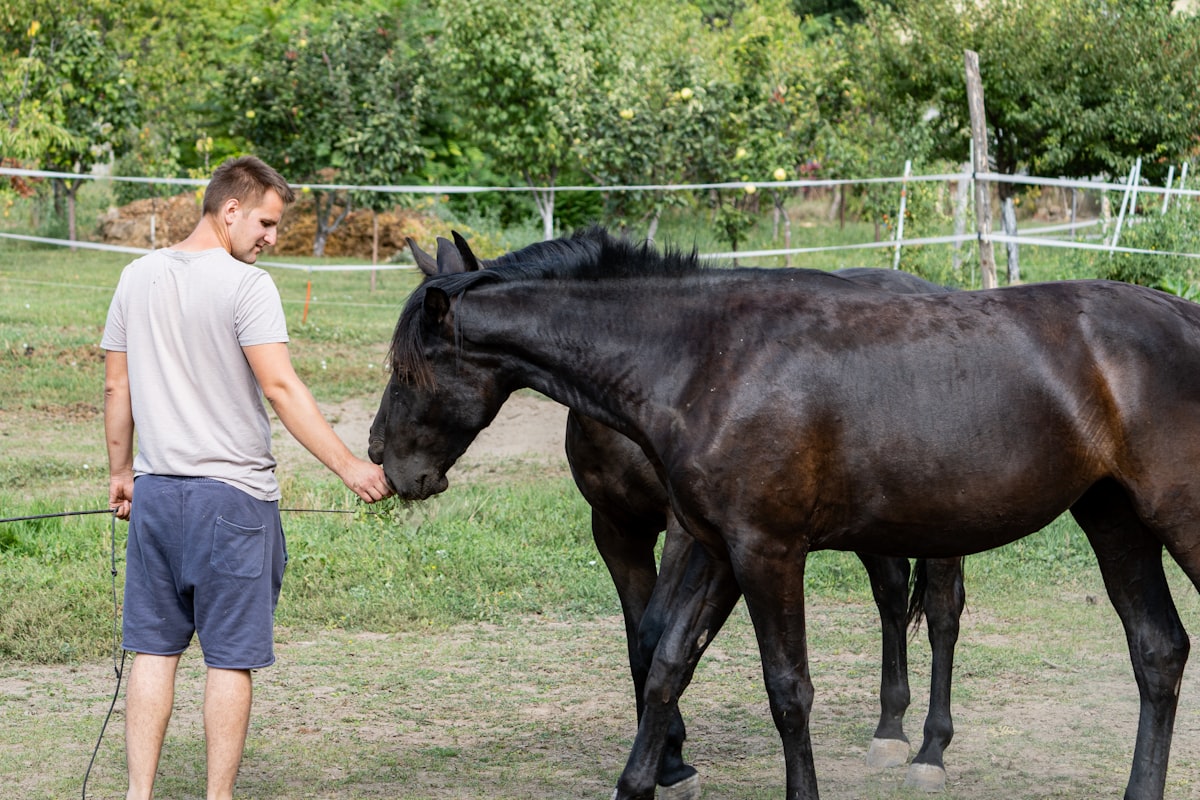
Are You Ready to Own a Horse?
Probably should have led with this section, honestly. Before you start shopping, honestly evaluate whether horse ownership is right for you at this stage of life. Horses require significant time, money, and commitment for 25-30 years.
Financial Considerations
The purchase price is the smallest part of the equation. Monthly expenses typically include:
- Board: $300-$1,500+ per month depending on location and services
- Feed: $150-$400 per month
- Farrier: $50-$200 every 6-8 weeks
- Veterinary care: $300-$500 annually for routine care, plus emergencies
- Dental: $150-$300 annually
- Tack and equipment: Initial investment $1,000-$3,000+
- Insurance: Optional but recommended, $500-$2,000 annually
Budget for unexpected expenses—emergencies can cost thousands. Having a horse emergency fund provides peace of mind.
Time Commitment
That’s what makes horse ownership endearing to us equestrians—the time commitment. Even with full board, you’ll spend significant time riding, grooming, and managing care. Budget 10-15 hours per week minimum for an actively ridden horse.

Knowledge and Experience
Horses are complex animals. Before buying, you should have solid riding skills at the level of horse you’re considering, basic care knowledge, understanding of when to call a vet, and a support network of experienced horse people.
If you’re new to horses, consider leasing first. A half or full lease lets you experience ownership responsibilities before the full commitment.
Defining What You Need
Before you start looking, clearly define what kind of horse will suit your goals, experience level, and practical situation.
Discipline and Goals
Different activities require different types of horses: trail riding needs calm temperament and sure-footedness; dressage needs athletic movement and trainability; jumping needs scope and bravery; western pleasure needs slow, smooth gaits.
Experience Match
Be honest about your riding ability. A horse should match or be slightly below your skill level—never above it. Beginners need experienced, forgiving horses that can tolerate learning-curve mistakes.
Age Considerations
Young horses (under 6) require experienced trainers. First-time owners typically do best with horses in the 8-15 year range—mature enough to be settled but with many good years ahead. Don’t dismiss older horses; a healthy 18-year-old can be an excellent partner.
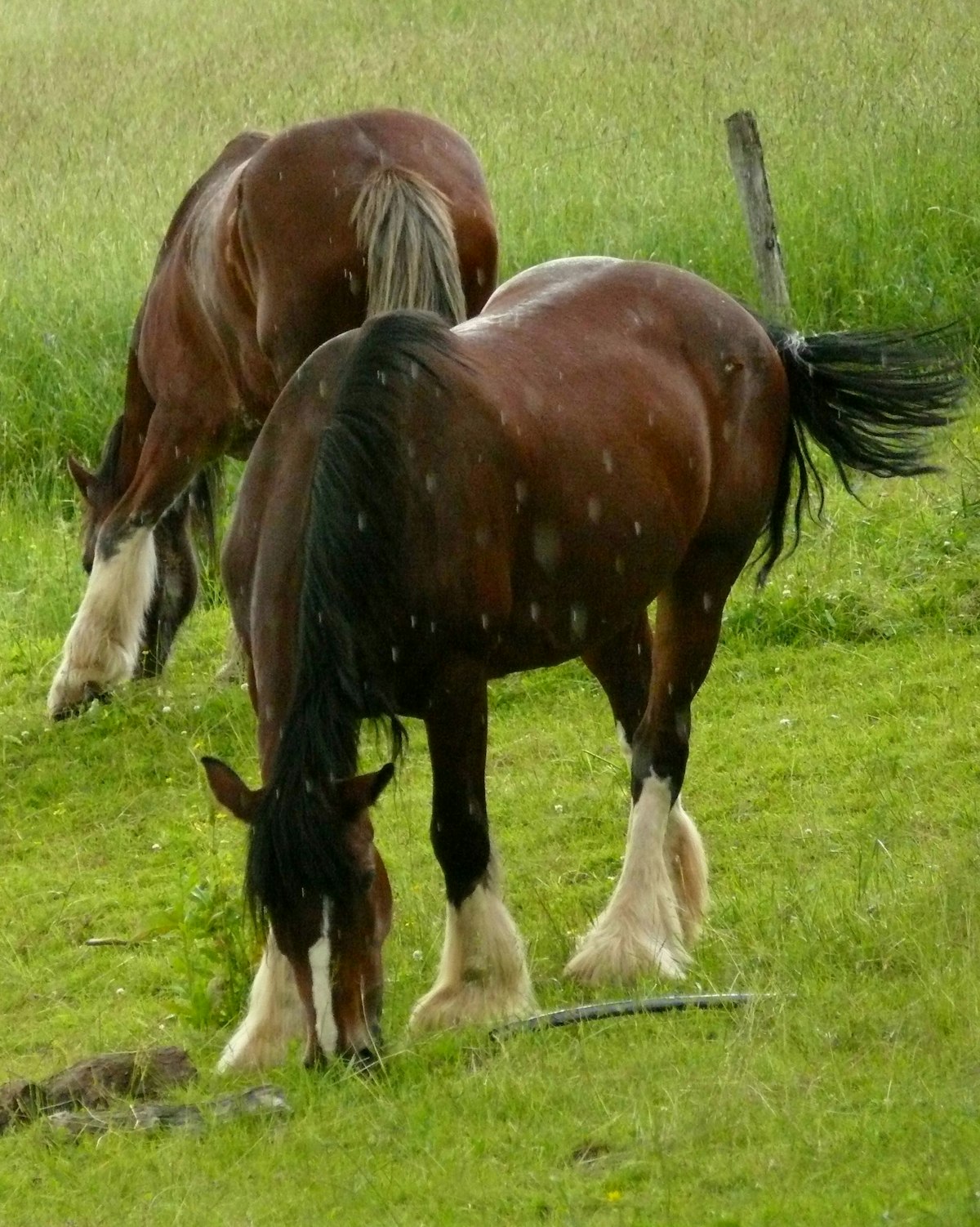
Size
Your size and the horse’s size should be compatible. As a general guideline, horses can comfortably carry 20% of their body weight. Too small leaves both of you struggling; too large may feel intimidating.
Where to Find Horses for Sale
Private Sales: Dealing directly with owners who know the horse’s history. Always get everything in writing and have a pre-purchase exam.
Horse Dealers and Sales Barns: They often have many options and stake their reputation on good matches. Ask for references.
Trainers: They know horses in their network and can help match you appropriately. The advantage is built-in expertise.
Auctions: Limited evaluation time and often no recourse if problems appear. Generally not recommended for first-time buyers.
Online Listings: Expand your search geographically but be cautious of scams. Never send money for horses sight unseen.
Evaluating a Horse
On your first visit, observe how the horse behaves in the stall, during grooming and tacking, on the longe line, under saddle with the current rider, and when you ride. Ask questions about history, training, health, and quirks. Evasiveness is a red flag.
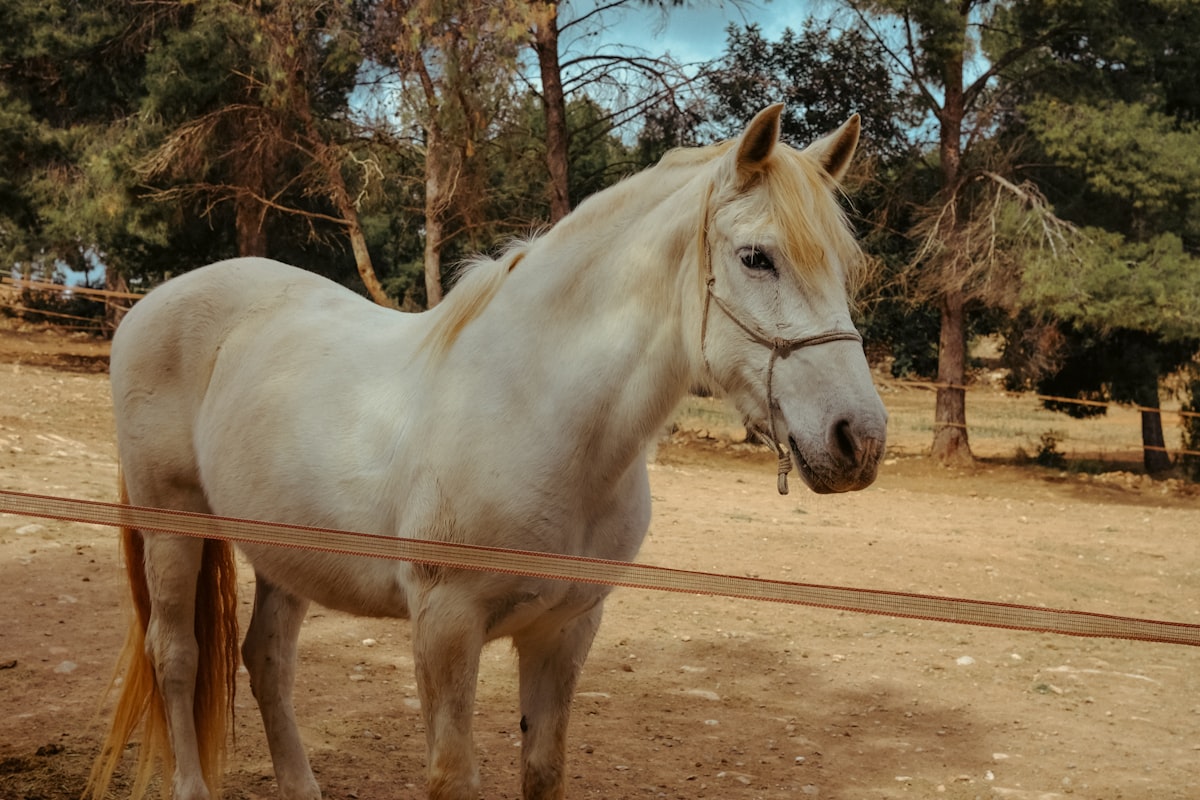
Look at temperament (calm and willing?), conformation (avoid obvious structural problems), movement (free without stiffness or lameness), and training (performs as advertised?).
If the first visit goes well, return for a second look. Bring an experienced horse person. See the horse in different circumstances—different times of day, different activities.
The Pre-Purchase Examination
Never buy a horse without a pre-purchase vet exam. This identifies health and soundness issues that could affect suitability. Basic exams include physical examination, lameness evaluation, flexion tests, eye examination, heart and lung check, and hoof examination.
Few horses pass with perfect scores. The question isn’t whether the horse has issues but whether those issues would affect their suitability for your needs.
Making the Purchase
Get everything in writing. A proper bill of sale should include full identification of the horse, purchase price and terms, any warranties, date of transfer, and signatures.
Some sellers offer trial periods—get terms in writing, including who’s responsible for costs and insurance during the trial.
Bringing Your Horse Home
The adjustment period is critical. Maintain their previous feeding schedule initially, introduce new feeds gradually, allow quiet time to adjust, introduce new horses slowly, and keep riding sessions low-key while they settle.
When Things Don’t Work Out
Sometimes, despite best efforts, a horse isn’t the right match. Don’t let pride keep you in a bad situation. Options include working with a trainer, trying a different discipline, reselling, or returning if a trial period applies.
The goal is a partnership that works for both you and the horse. Better to acknowledge a mismatch early than struggle for years with the wrong horse.
Final Thoughts
Take your time, do your research, don’t let emotion override good judgment. The right horse is worth waiting for. With patience and preparation, you’ll find your perfect partner.


Leave a Reply