![First Horse Buying Checklist for Beginners [2026]](https://horsebesties.com/wp-content/uploads/sites/115/2026/01/new-horse-owner-1024x600.png)
First horse ownership has gotten complicated with all the advice flying around online – some great, some terrible. As someone who has helped dozens of people through this process (and made plenty of my own mistakes), I learned everything there is to know about buying your first horse. Today, I will share it all with you.
Are You Actually Ready for a Horse?
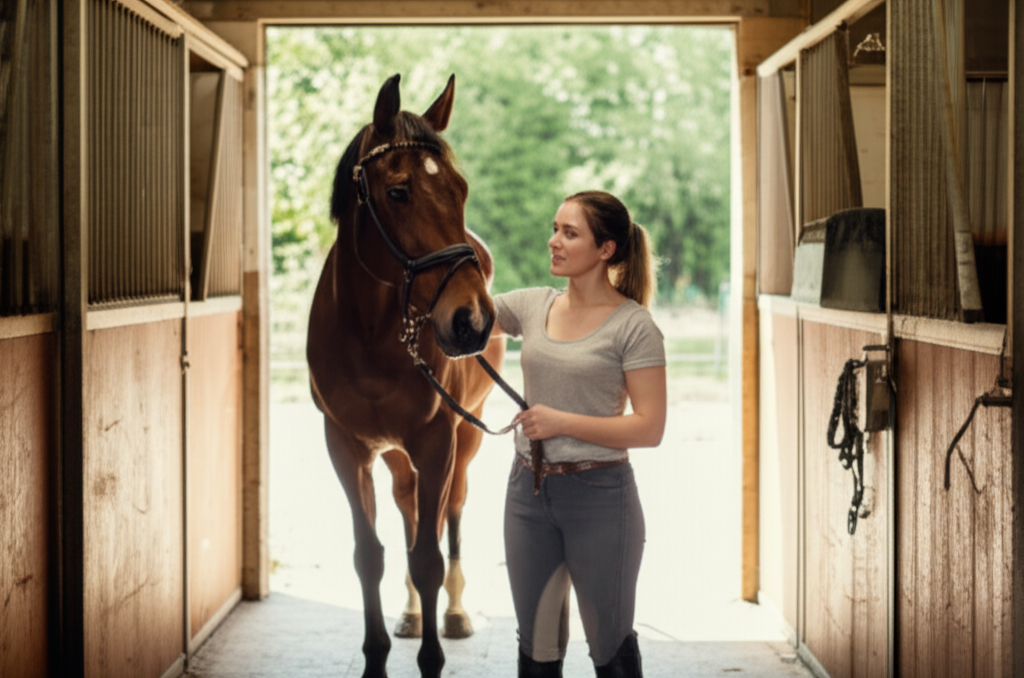
Probably should have led with this section, honestly. The fantasy of horse ownership and the reality are different things.
The Time You’ll Actually Spend
- Daily care: 1-2 hours minimum – feeding, watering, checking over
- Riding and training: 3-5+ hours weekly if you’re serious
- Grooming: Every time before and after you ride
- The unexpected: Vet calls, waiting for the farrier, dealing with whatever just went wrong
The reality: Horses don’t take days off. Not Christmas, not when you’re sick, not when it’s raining sideways. 365 days a year, someone needs to check on that horse.
What It Actually Costs
| Expense | Monthly | Yearly |
|---|---|---|
| Board | $300 – $1,500 | $3,600 – $18,000 |
| Farrier | $50 – $200 | $600 – $2,400 |
| Vet | $50 – $150 | $600 – $1,800 |
| Feed/Hay | $150 – $400 | $1,800 – $4,800 |
| Insurance | $30 – $100 | $360 – $1,200 |
| TOTAL | $580 – $2,350 | $6,960 – $28,200 |
And you need an emergency fund. At least $1,000-$5,000 sitting in a savings account for when (not if) something goes wrong.
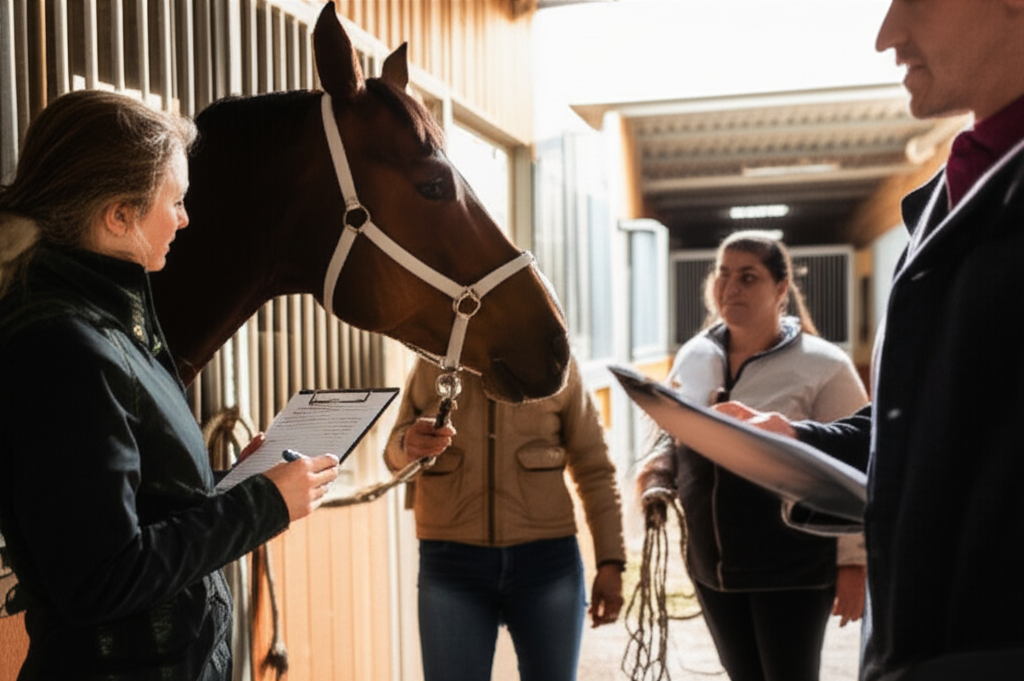
Your Honest Skill Level
Be real with yourself here:
- Beginner: You need a calm, been-there-done-that horse AND continuing lessons
- Intermediate: Can handle most situations but still have plenty to learn
- Advanced: More flexibility, but even pros match horse to purpose
The hard truth: First-time owners should get a well-trained, older horse. Not the young one with “so much potential.” Not the project horse at a good price. A horse that already knows its job.
What Kind of Horse Should You Get?
The Ideal First Horse
- Age: 8-15 years – these horses have experience and maturity
- Training: Already solid in whatever you want to do
- Temperament: Calm, forgiving of mistakes, patient with beginners
- Health: Sound, no major ongoing issues
- Experience: Has seen it all, doesn’t spook at plastic bags
What to Stay Away From
- Young horses (under 5): They need an experienced trainer, not a learning owner
- Green horses: Same problem – two beginners teaching each other goes badly
- “Project” horses: Unless you want frustration as your hobby
- Hot breeds: Some Arabians and Thoroughbreds are too reactive for beginners
- Bargain horses: There’s usually a reason they’re cheap
Breeds That Work Well for First Owners
| Breed | What They’re Like | Best For |
|---|---|---|
| Quarter Horse | Calm, versatile, sensible | Western, trail, everything really |
| Paint Horse | Similar to Quarter Horses, but flashy | Western, trail |
| Morgan | Willing, smart, eager to please | English or Western, versatile |
| Haflinger | Calm, sturdy, sensible | Trail, family horse |
| Tennessee Walker | Smooth gait, calm disposition | Trail riding, easy on the body |
Build Your Team Before You Buy
People You Need
- A trainer or instructor: They’ll help evaluate horses and keep teaching you
- A veterinarian: For the pre-purchase exam and ongoing care
- A farrier: Hooves need attention every 6-8 weeks
Find Them First
- Research local professionals
- Ask for references from other horse owners
- Make sure they’re taking new clients
- Build relationships before you have an emergency at 11pm
Where the Horse Will Live
Full Board (Best for Beginners)
That’s what makes full board endearing to us first-timers — someone else handles the daily details.
- Stall or pasture provided
- Feed and hay included
- Daily turnout
- Basic care covered
Upside: Less daily responsibility, other horse people around, help nearby when things go wrong
Downside: More expensive, less control over how things are done
Self-Care Board
You do the daily work at their facility:
- Costs less than full board
- You’re responsible for feeding, cleaning, turnout
- You have to show up. Every. Single. Day.
Keeping Them at Home
Not recommended for your first horse:
- Requires serious infrastructure investment
- No help nearby when something goes wrong
- Everything falls on you
- Consider this after you have some experience
How to Actually Buy
Step 1: Know Your Budget
- Purchase price plus the first year’s expenses
- Emergency fund set aside
- Tack and equipment ($500-$2,000+)
Step 2: Find Horses to Look At
- Work with your trainer – their network is valuable
- Online listings (with healthy skepticism)
- Word of mouth in the local horse community
- Reputable sellers who’ll be honest about what they’re selling
Step 3: Visit and Ride
- See the horse more than once
- Ride in different situations – arena, trail, around other horses
- Bring your trainer to evaluate
- Trust your gut about red flags
Step 4: Pre-Purchase Exam
- Do not skip this. Ever.
- Use your vet, not the seller’s
- Flexion tests, soundness evaluation, the whole deal
- X-rays if the vet thinks they’re needed
- Cost: $250-$500+ (best money you’ll spend)
Step 5: Trial If Possible
- Some sellers will allow a trial period
- See how the horse does at your barn
- Reduces surprises
Red Flags That Should Stop You
- Seller wants to rush you into a decision
- Won’t let you do a pre-purchase exam
- Horse seems drugged or weirdly calm for the description
- Stories about the horse’s history keep changing
- Price is suspiciously low
- Pressure to decide right now
- Only willing to show the horse in very controlled conditions
What You Need Before the Horse Arrives
- Halter and lead rope
- Grooming kit – curry comb, brushes, hoof pick at minimum
- Saddle and pad (used is fine to start)
- Bridle fitted to the horse
- Helmet – ASTM-certified, for you, non-negotiable
- Boots with a heel for riding
Your First Few Months
Go Slow
- Give the horse time to settle in – 2-4 weeks minimum
- Keep routines consistent
- Keep taking lessons with your trainer
- Build the relationship before asking for much
Never Stop Learning
- Keep taking lessons even after you own a horse
- Find horse people to connect with
- Read, watch videos, ask questions constantly
- Accept that mistakes are part of the process
What It All Comes Down To
Buying your first horse is a commitment of time, money, and emotional energy. Success means being honest with yourself about what you can handle, buying the right horse for where you actually are (not where you want to be), building a support team, and committing to keep learning. The ideal first horse is calm, well-trained, and experienced – even if that’s less exciting than the young prospect with “so much potential.” Take your time. Do your homework. The right horse is worth waiting for.
Sources: American Association of Equine Practitioners, United States Equestrian Federation, Pony Club

Leave a Reply