
Gaited horses possess natural abilities to perform smooth, four-beat gaits beyond the standard walk, trot, and canter. These intermediate gaits make gaited breeds exceptionally comfortable to ride, especially for long distances. If you’ve never experienced a smooth gait, you’re missing one of riding’s great pleasures.
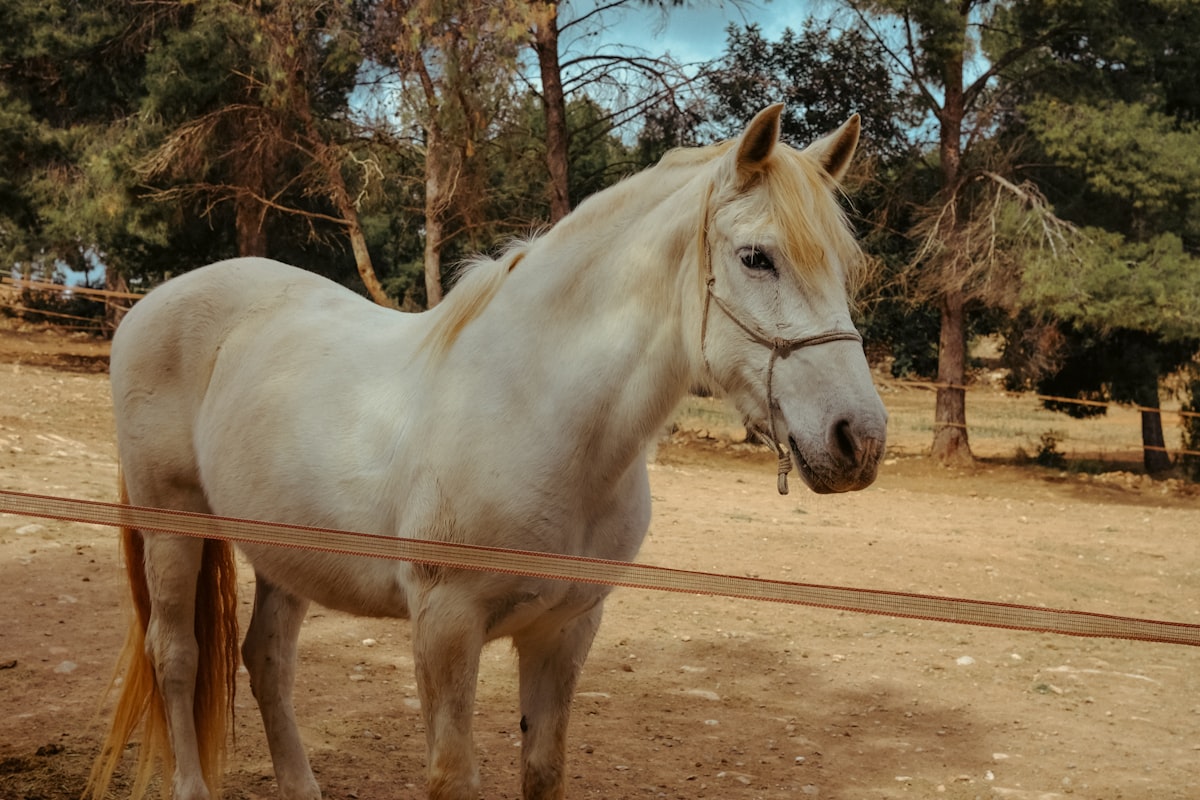
What Makes a Horse “Gaited”?
Most horses have three natural gaits: walk, trot, and canter. The trot—a two-beat diagonal gait—creates the bouncing motion that challenges many riders. Gaited horses perform additional four-beat gaits that eliminate or significantly reduce this bounce.
In four-beat gaits, each foot hits the ground separately in sequence, creating a smooth, gliding motion. The rider experiences minimal vertical movement, often described as sitting in a rocking chair rather than bouncing on a trampoline.
Popular Gaited Breeds
Tennessee Walking Horse
Perhaps the most famous gaited breed, Tennessee Walkers perform the running walk—a smooth four-beat gait reaching 10-20 mph. Developed as plantation horses, they’re known for gentle dispositions and flashy appearance. Standing 15-17 hands, they suit riders of all sizes.
Missouri Fox Trotter
Named for their fox trot—a diagonal gait smoother than a regular trot—these horses are valued for sure-footedness on rough terrain. Originally bred in the Ozarks, they excel at trail riding. Standing 14-16 hands, they offer a comfortable ride at moderate speeds.
Paso Fino
Spanish-heritage Paso Finos perform the paso fino, paso corto, and paso largo at varying speeds, all smoother than a trot. Smaller (13-15 hands) but spirited, they offer an incredibly smooth ride. Their animated leg action is distinctive.
Peruvian Paso
Related to but distinct from Paso Finos, Peruvian Pasos perform the paso llano with a characteristic “termino”—an outward arc of the front legs. They’re larger than Paso Finos (14-15.2 hands) with extremely smooth gaits.
Icelandic Horse
These small but strong horses perform five gaits: walk, trot, canter, tölt (smooth four-beat), and pace (fast two-beat lateral). Incredibly hardy and long-lived, they carry adult riders comfortably despite their 12-14 hand height.
Rocky Mountain Horse
A relatively new breed from Kentucky, Rocky Mountain Horses perform a natural single-foot gait. Standing 14.2-16 hands, they’re known for chocolate coats with flaxen manes, though other colors exist. Their gentle temperaments suit beginning riders.
Benefits of Gaited Horses
Comfort
The primary advantage is rider comfort. Without the jarring trot, riders experience less fatigue and strain. This benefits:
- Riders with back or joint problems
- Older riders returning to horseback
- Anyone covering long distances
- Riders who find posting difficult
Ground Coverage
Gaited horses often cover ground faster than walking but remain smooth. This makes them efficient trail horses, reaching destinations quickly without exhausting horse or rider.
Steady Temperaments
Many gaited breeds were developed as family horses and tend toward calm, sensible dispositions. This makes several gaited breeds suitable for beginners, as noted in our guide to beginner breeds.
Training and Riding Considerations
Natural vs. Trained Gait
True gaited horses perform smooth gaits naturally from birth. Some horses require training or special equipment to gait, which isn’t ideal. When buying, look for horses that gait freely and naturally.
Riding Technique
Riding gaited horses differs from riding trotting horses. You sit deeply in the saddle rather than posting, and cueing for gaits requires learning breed-specific techniques. Most riders adapt quickly and find it easier than posting.
Tack Considerations
Many gaited horse riders use specialized saddles designed for the different motion. Standard English or Western saddles can work but may not optimize the gait.
The Gait Controversy
Unfortunately, some gaited horse show circles have used abusive training practices (soring, stacks, chains) to exaggerate gaits. These practices cause pain and are illegal. When involved with gaited horses:
- Support ethical trainers and shows
- Look for naturally gaited horses
- Avoid exaggerated, unnatural movement
- Learn about the PAST Act and sound horse practices
Is a Gaited Horse Right for You?
Consider a gaited horse if you:
- Want smooth, comfortable rides
- Enjoy trail riding and covering distance
- Have physical limitations that make trotting difficult
- Appreciate the unique culture of gaited horse communities
- Want a calm, friendly partner
Compare gaited breeds with other options in our complete guide to horse breeds. For understanding how different breeds move, see our article on horse speed by breed and gait.


Leave a Reply