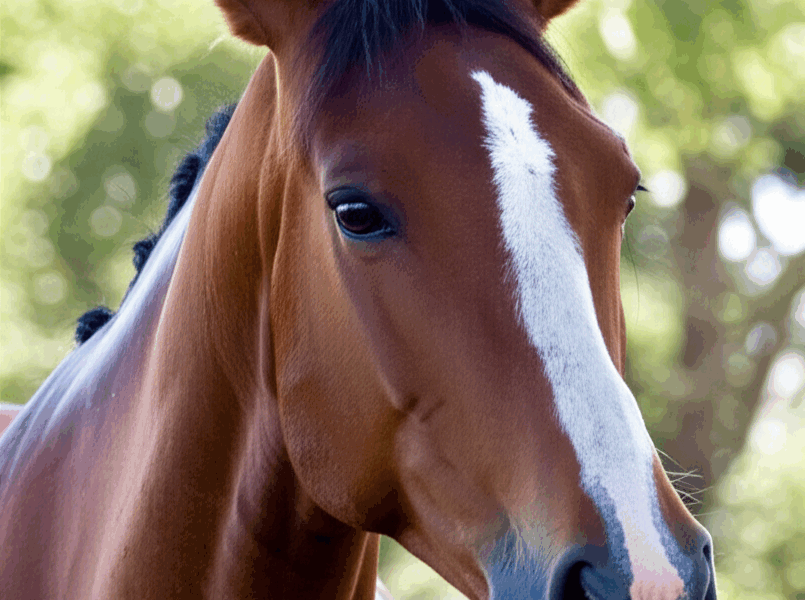
Horses communicate constantly through body language. Learning to read these signals helps you understand your horse’s mood, predict behavior, and build a stronger bond. Here’s your complete guide to horse body language.
Why Body Language Matters
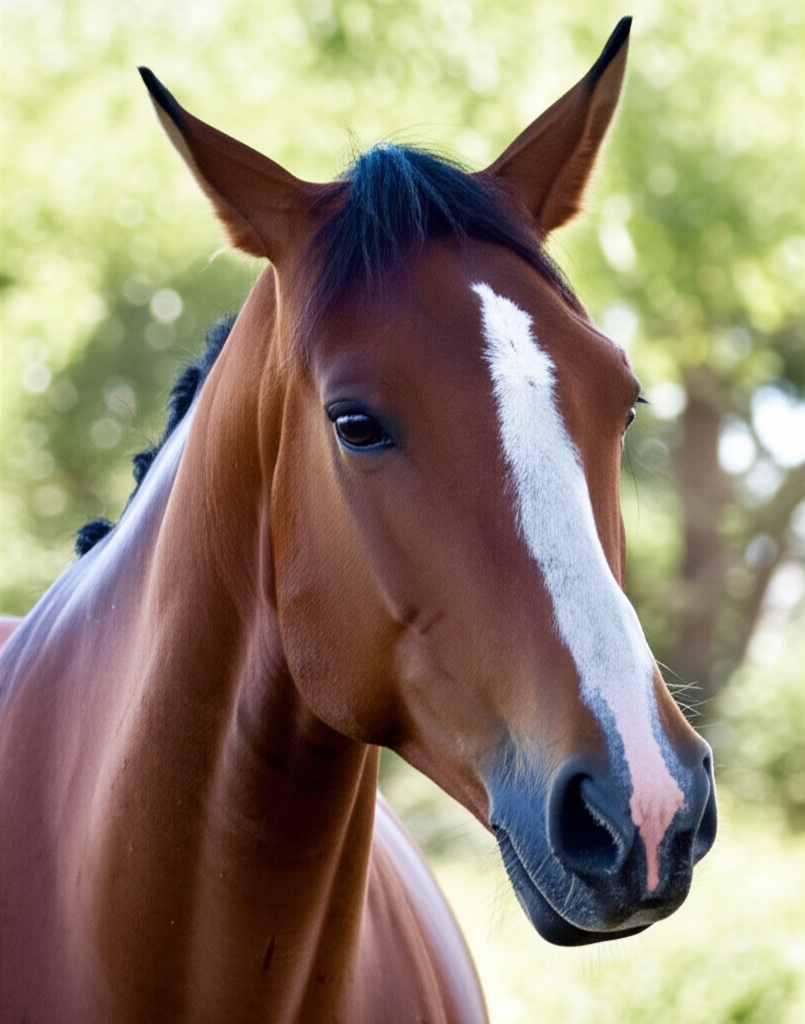
Horses are prey animals who evolved to communicate silently—loud vocalizations attract predators. Instead, they rely heavily on subtle body cues. Understanding these signals:
- Prevents accidents and injuries
- Helps you respond appropriately to your horse’s needs
- Improves training outcomes
- Strengthens your relationship
The Ears: Your Horse’s Mood Indicator
Ears Forward
- Meaning: Alert, interested, focused on something ahead
- Context: Seeing something new, paying attention to you
- Response: Generally positive—horse is engaged
Ears Back (Pinned)
- Meaning: Anger, aggression, warning
- Context: Threatening another horse, annoyed at handler
- Response: Back off, give space, address cause of irritation
- Warning: Pinned ears often precede biting or kicking
Ears to the Side (Airplane Ears)
- Meaning: Relaxed, sleepy, or processing information
- Context: Resting, working calmly
- Response: Horse is comfortable
Ears Swiveling
- Meaning: Listening to multiple sounds, uncertain
- Context: New environment, rider giving cues
- Response: Horse is paying attention to surroundings
One Ear Back, One Forward
- Meaning: Paying attention to rider while also watching ahead
- Context: Under saddle, working
- Response: Ideal for riding—horse is listening to you
The Eyes
Soft, Relaxed Eyes
- Meaning: Calm, content, trusting
- Look for: Partially closed lids, relaxed expression
Wide Eyes (Showing White)
- Meaning: Fear, panic, extreme alertness
- Context: Spooked, in pain, very stressed
- Response: Identify and remove source of fear; speak calmly
Hard, Fixed Stare
- Meaning: Intense focus, potential aggression
- Context: Stallion behavior, territorial
- Response: Use caution
The Head & Neck
Head High
- Meaning: Alert, alarmed, excited
- Context: Seeing something concerning, high energy
- Note: Flight response is being triggered
Head Low
- Meaning: Relaxed, submissive, tired
- Context: Resting, accepting leadership, sleepy
- Good sign: During groundwork, indicates acceptance
Head Tossing
- Meaning: Frustration, pain, or evasion
- Context: Bit discomfort, dental issues, avoiding contact
- Response: Check equipment fit, consider vet/dentist visit
Neck Extended (Snake-like)
- Meaning: Threatening gesture, aggression
- Context: Herding, dominance, warning
- Response: Take seriously—often precedes biting
The Tail
Tail Relaxed, Swinging Gently
- Meaning: Calm, content
- Context: Normal state at rest or during work
Tail Clamped Down
- Meaning: Fear, submission, cold, or pain
- Context: Scared, stomach discomfort
- Response: Investigate cause
Tail Raised High
- Meaning: Excitement, alertness, showing off
- Context: Arabians naturally carry high; also seen when excited
Tail Swishing Aggressively
- Meaning: Irritation, annoyance
- Context: Flies, rider’s leg pressure, general frustration
- Note: Different from relaxed swinging—more violent motion
The Legs & Feet
Pawing
- Meaning: Impatience, frustration, or colic symptom
- Context: Waiting for food, boredom, stomach pain
- Warning: Excessive pawing with other symptoms = call vet
Stomping
- Meaning: Flies or frustration
- Context: Trying to dislodge insects
Resting Hind Leg
- Meaning: Relaxed, resting (normal)
- Note: Horses shift weight; alternating is normal
- Warning: Always same leg = possible pain
Cocked Hind Leg (Warning)
- Meaning: Preparing to kick
- Context: Combined with pinned ears = danger
- Response: Move away immediately
The Mouth & Muzzle
Licking and Chewing
- Meaning: Processing, accepting, releasing tension
- Context: After learning something new, after stress
- Good sign: Indicates mental processing
Yawning
- Meaning: Stress release, relaxation after tension
- Note: Excessive yawning may indicate dental issues
Flehmen Response (Lip Curl)
- Meaning: Analyzing an interesting smell
- Context: Stallions smelling mares, new scents
- Normal: Not a sign of distress
Tight, Pursed Lips
- Meaning: Tension, discomfort, concentration
- Context: Working hard, stressed
Full Body Signals
Signs of Relaxation
- Soft eyes, relaxed ears
- Head at or below withers
- Loose lower lip
- Cocked hind leg
- Slow, steady breathing
Signs of Fear/Anxiety
- High head, wide eyes
- Tense muscles
- Rapid breathing
- Sweating (not from work)
- Trembling
- Attempting to flee
Signs of Aggression
- Ears pinned flat
- Teeth bared
- Snake-like neck
- Tail swishing
- Charging or striking
Signs of Pain
- Dull, withdrawn expression
- Reluctance to move
- Changed eating habits
- Rolling excessively (colic)
- Pointing or favoring a leg
The Bottom Line
Horses are constantly communicating—the key is learning to listen. By paying attention to ears, eyes, tail, and overall body posture, you can understand what your horse is feeling and respond appropriately. This awareness makes you a safer, more effective horseperson and deepens your connection with your horse.
Sources: Applied Animal Behaviour Science, Journal of Veterinary Behavior, Equus Magazine



Leave a Reply