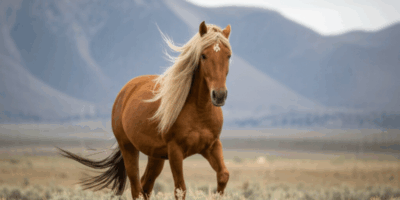
![Horse Grooming 101 for Beginners [2026]](https://horsebesties.com/wp-content/uploads/sites/115/2026/01/horse-grooming-1024x600.png)
Grooming isn’t just about making your horse look good—it’s essential for health, bonding, and early detection of problems. This comprehensive guide covers everything beginners need to know about horse grooming.
Why Grooming Matters
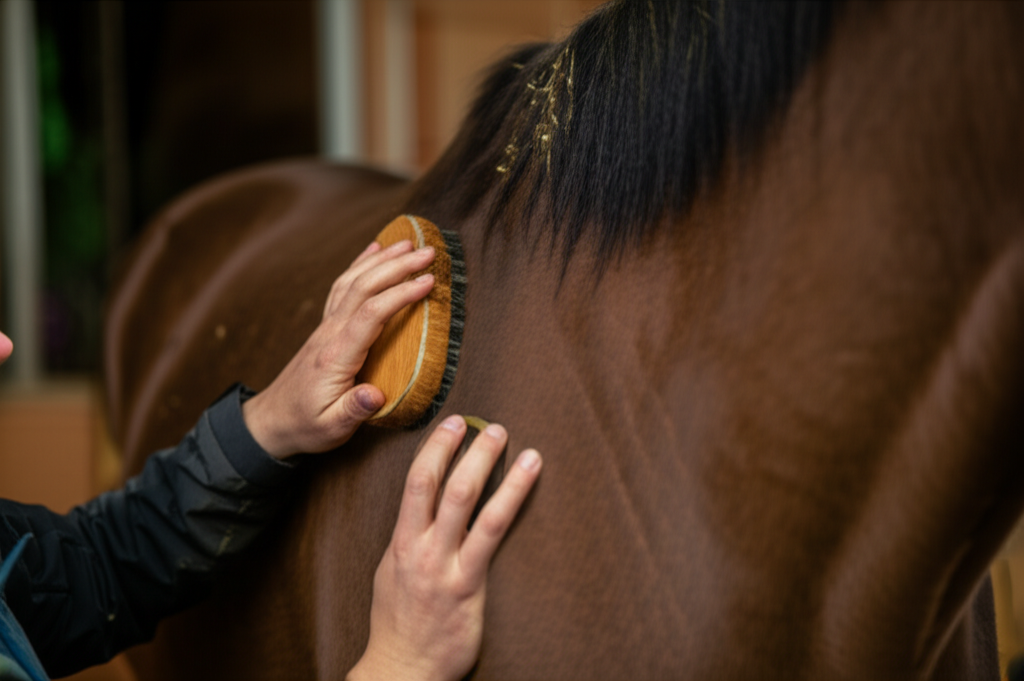
Regular grooming provides multiple benefits:
- Health monitoring: You’ll notice cuts, swelling, heat, or skin issues early
- Circulation: Brushing stimulates blood flow to the skin
- Bonding: Grooming builds trust and relationship
- Comfort: Removes dirt, sweat, and irritants
- Safety: Clean horses are easier to assess for problems
- Coat health: Distributes natural oils for a healthy shine
Essential Grooming Tools
Build your grooming kit with these basics:
Must-Haves
| Tool | Purpose | Cost |
|---|---|---|
| Curry comb (rubber) | Loosen dirt and hair | $5-15 |
| Dandy/stiff brush | Remove loose dirt | $8-20 |
| Body/soft brush | Remove fine dust, add shine | $10-25 |
| Mane/tail comb | Detangle mane and tail | $3-10 |
| Hoof pick | Clean hooves | $3-10 |
Nice-to-Haves
- Shedding blade: Essential during spring shedding season
- Face brush: Soft brush for sensitive areas
- Grooming mitt: Great for sensitive horses
- Detangler spray: Helps with mane and tail
- Hoof brush: Scrub dirty hooves
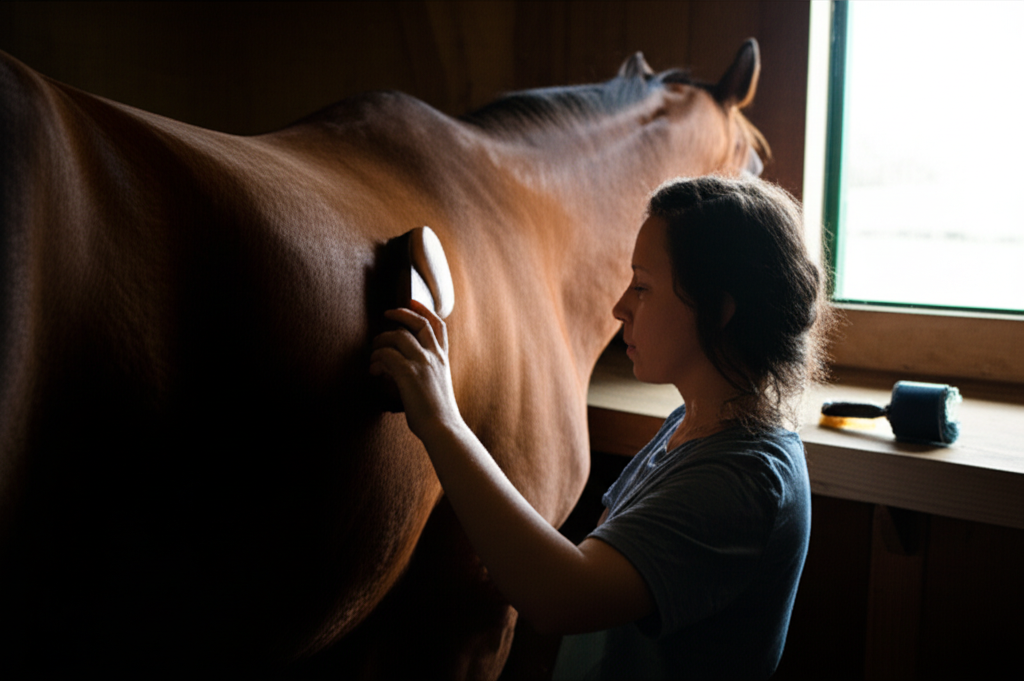
The Basic Grooming Routine
Step 1: Safety First
- Secure your horse with a quick-release knot or cross-ties
- Choose a safe, level area
- Stay aware of the horse’s mood
Step 2: Curry Comb
Use the rubber curry comb in circular motions:
- Start at the neck, work toward the hindquarters
- Apply firm but comfortable pressure
- Avoid bony areas (legs, face, spine)
- This loosens dirt, dead hair, and dander
Step 3: Dandy Brush
Use the stiff brush in flicking motions:
- Brush in the direction of hair growth
- Flick at the end of each stroke to remove dirt
- Cover the entire body
- Avoid sensitive areas
Step 4: Body Brush
Use the soft brush for finishing:
- Long, smooth strokes following hair direction
- Safe for face and legs
- Removes fine dust
- Brings out natural shine
Step 5: Face and Legs
- Use soft brush or face brush only
- Be gentle around eyes and ears
- Brush legs carefully—feel for heat, swelling, cuts
Step 6: Mane and Tail
- Detangle with fingers first for bad tangles
- Use mane comb starting at the bottom, working up
- Detangler spray helps tremendously
- Be patient—pulling causes breakage and discomfort
Step 7: Pick Hooves
- Pick up each hoof (ask your horse to shift weight)
- Use hoof pick from heel to toe
- Clean around frog and in grooves
- Check for rocks, cracks, loose shoes, thrush smell
What to Look For While Grooming
Use grooming time to check your horse’s health:
Skin Issues
- Lumps, bumps, or swelling
- Cuts or scrapes
- Hair loss patches
- Rain rot or fungus
- Ticks or bot eggs
Leg Check
- Heat in any leg
- Swelling or puffiness
- Cuts or scrapes
- Sensitivity when touched
Hoof Health
- Foul smell (thrush)
- Cracks or chips
- Loose shoes
- Abnormal growth
Grooming Tips by Situation
Before Riding
- Quick curry and brush to remove dirt
- Always pick hooves
- Check for any issues that would prevent riding
- Clean saddle and girth areas thoroughly
After Riding
- Walk horse until cool and dry
- Brush off dried sweat
- Check for rubs from tack
- Pick hooves again
Muddy Horse
- Let mud dry completely—it brushes off easier
- Use curry comb vigorously on dried mud
- Avoid washing in cold weather
Shedding Season
- Shedding blade is your best friend
- Groom daily if possible
- Expect massive amounts of hair
- Good nutrition helps coat transition
Common Grooming Mistakes
- Skipping the curry: Most important step for loosening dirt
- Brushing dirty horses with soft brushes: Just pushes dirt around
- Pulling through tail tangles: Causes breakage—start from bottom
- Ignoring hooves: Should be picked daily, ideally
- Using stiff brushes on face/legs: Too harsh for sensitive areas
- Rushing: Grooming time is bonding time—enjoy it
How Often to Groom
- Ideally: Daily or at least before/after every ride
- Minimum: A few times per week
- Hooves: Pick daily if possible
- Deep grooming: Weekly thorough session
The Bottom Line
Grooming is one of the most important skills for any horse owner. It keeps your horse healthy, helps you catch problems early, and strengthens your bond. Start with the basic tools, follow the systematic approach, and make grooming a regular habit. Your horse will thank you with a healthy coat and trusting relationship.
Sources: American Association of Equine Practitioners, Pony Club, United States Equestrian Federation

Leave a Reply