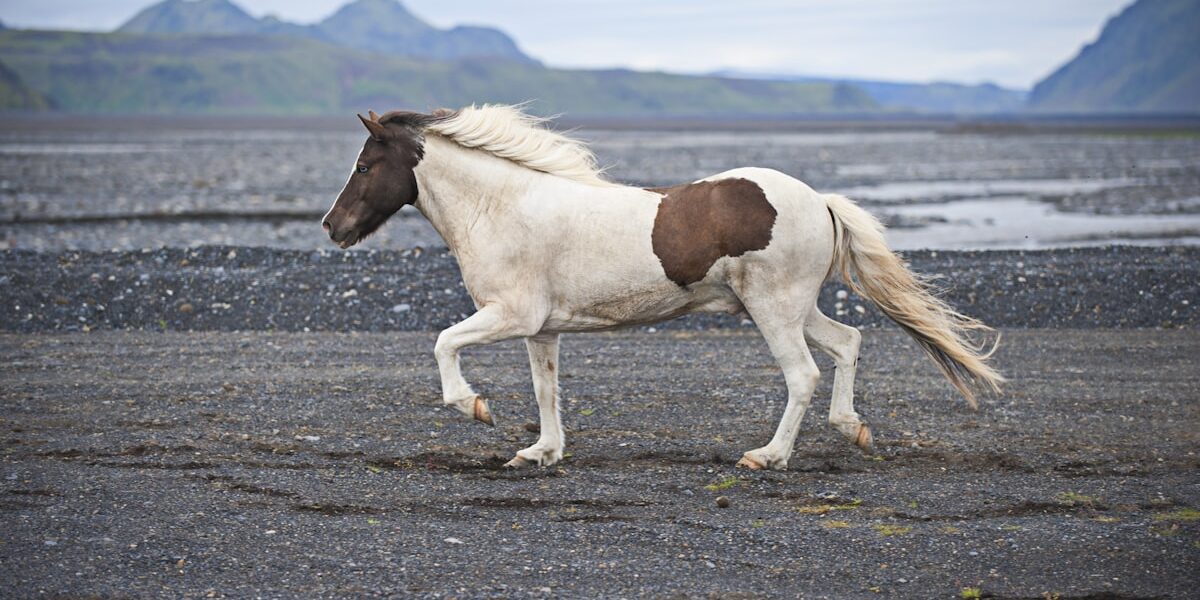
Horse Herd Dynamics has gotten complicated with all the horse behavior theories flying around. As someone who has managed a small herd for years watching how horses interact establish pecking order and form friendships, I learned everything there is to know about horse herd dynamics. Today, I will share it all with you.
The Social Nature of Horses
In the wild, horses live in two types of groups: bands (family groups) and bachelor herds (groups of males without mares). Domestic horses retain these same social drives, even when our management doesn’t accommodate them.
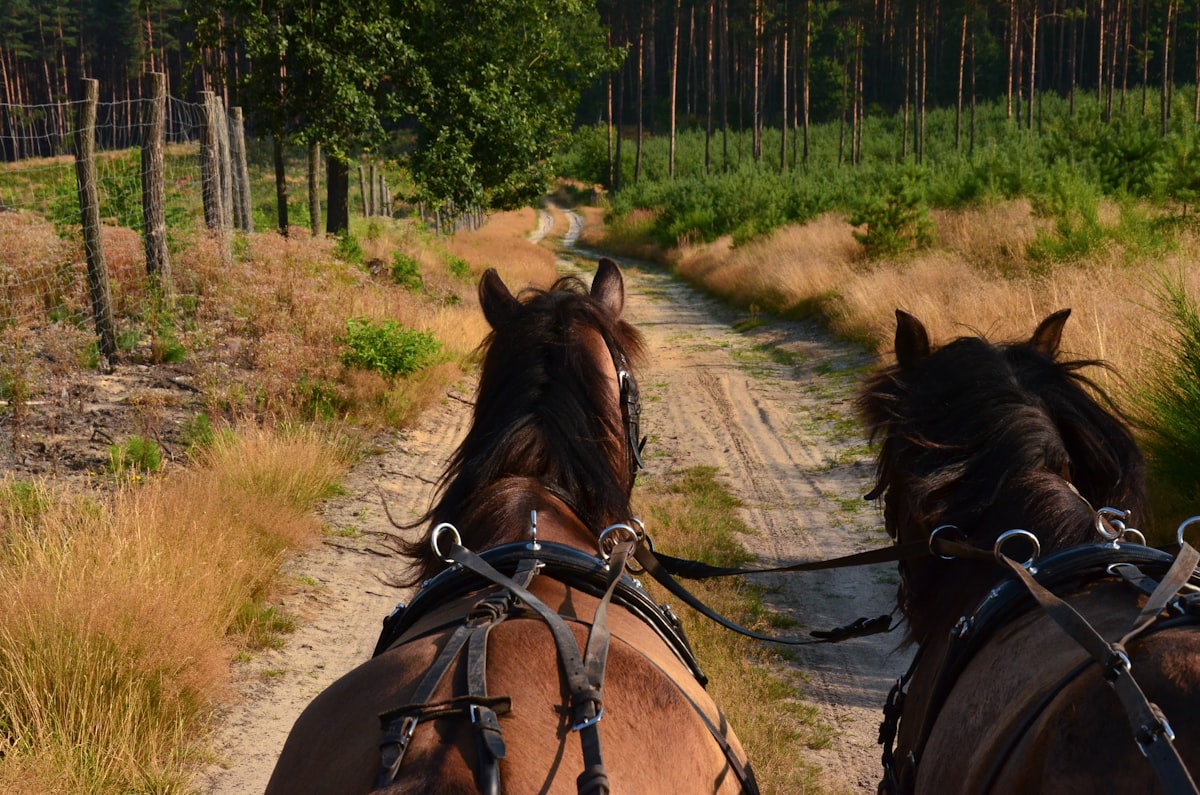
According to research published in Applied Animal Behaviour Science, social isolation ranks among the most significant stressors for horses. Their need for companionship isn’t a preference—it’s a fundamental behavioral need.
Understanding the Hierarchy
Horses establish dominance hierarchies within their groups. This isn’t about aggression—it’s about social order that actually reduces conflict.
How Hierarchy Works
Dominance is typically linear: Horse A dominates Horse B, who dominates Horse C. However, real herds can have triangular relationships and situational variations.
What determines rank:
- Age: Older horses often rank higher (experience matters)
- Size: Larger horses may dominate smaller ones
- Personality: Confident, assertive horses typically rank higher
- Time in group: Established members often outrank newcomers
- Relationships: Alliances and friendships affect dynamics
Signs of Dominance
Dominant horses typically:
- Move subordinate horses out of their space
- Access resources (food, water, shelter) first
- Receive more grooming than they give
- Choose resting spots and companions
Most dominance is maintained through subtle communication—body language, position, and movement—not constant fighting.
Probably should have led with this section, honestly.
Social Communication
Horses communicate constantly through body language, vocalizations, and positioning.
Body Language Between Horses
- Ears: Pinned ears signal aggression or warning; forward ears indicate interest or friendliness
- Head position: High head can indicate alertness or challenge; lowered head often signals relaxation or submission
- Body orientation: Positioning hip toward another horse is often a threat gesture
- Movement: Who moves whom indicates dominance
- Space: Dominant horses control space; subordinates yield
Vocalizations
- Nicker: Friendly greeting or anticipation
- Whinny/neigh: Contact call, often when separated from herdmates
- Squeal: Protest or defensive warning
- Snort: Alert signal, calling attention to potential danger
Friendship in the Herd
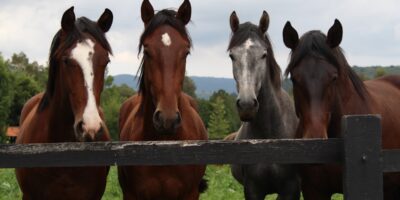
Beyond hierarchy, horses form genuine friendships. These preferred associations appear across all rank levels—a dominant horse may be best friends with a subordinate.
Signs of equine friendship:
- Mutual grooming (standing nose-to-tail, nibbling withers and neck)
- Spending time in close proximity by choice
- Synchronized activities (grazing, resting, moving together)
- Signs of distress when separated
- Choosing to share resources rather than competing
The Kentucky Equine Research notes that horses with stable friendships show lower stress hormones and better overall welfare measures than those without preferred companions.
Managing Herd Dynamics
Introducing New Horses
New horses disrupt established hierarchies. Careful introductions reduce injury and stress.
Introduction protocol:
- Quarantine: Keep new horses separate for health screening (2-3 weeks)
- Visual contact: Allow horses to see each other over a fence
- Adjacent turnout: Separate paddocks with safe fencing between
- One-on-one: Introduce new horse to calmest group member first
- Gradual integration: Add one horse at a time to the group
- Large space: First contact should be in a large area where horses can escape
- Remove food competition: No hay piles or feeders during introductions
Expect some conflict: Squealing, striking, chasing, and establishing order is normal. Intervene only if there’s genuine danger of injury.
Resource Management
Competition for resources causes conflict. Reduce tension by providing abundant resources:
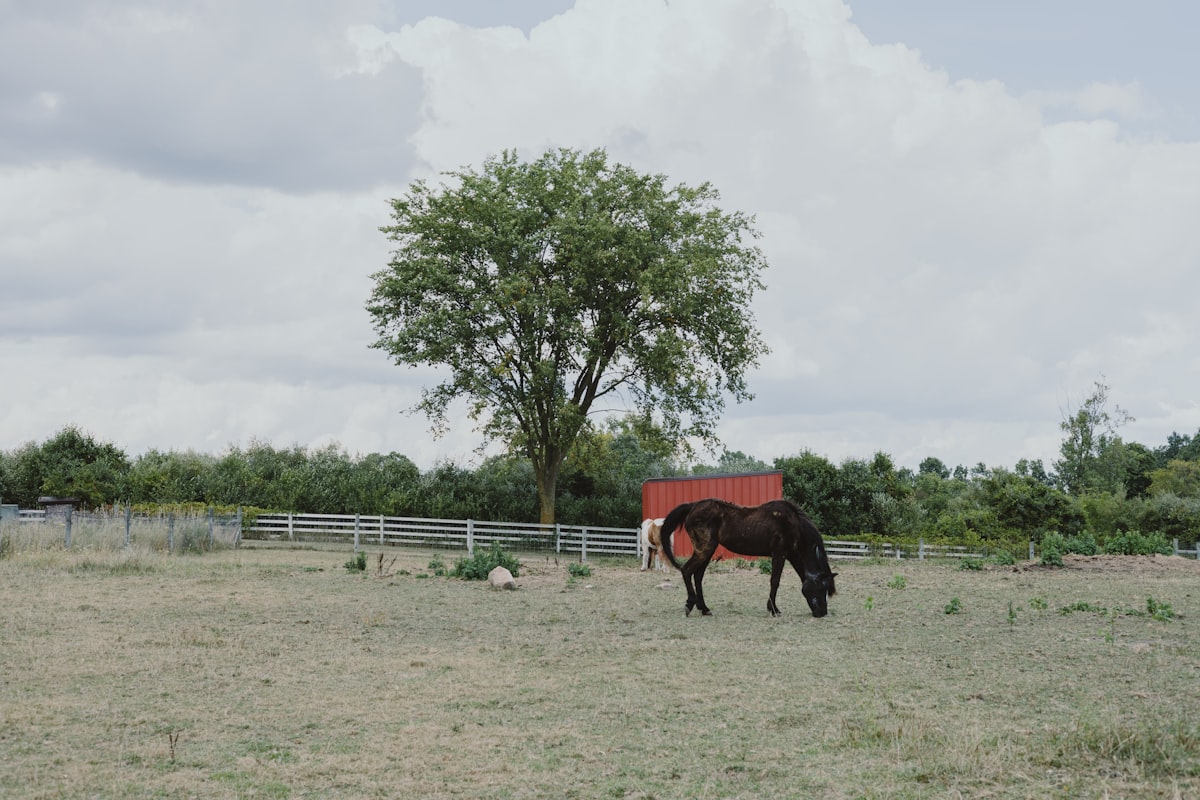
- Multiple hay stations: At least one per horse plus one extra, spaced far apart
- Multiple water sources: Dominant horses shouldn’t be able to guard water
- Ample shelter: Enough space that low-ranking horses aren’t excluded
- Separate feeding for hard keepers: Horses that need more food shouldn’t compete with aggressive eaters
Separating Incompatible Horses
Not all horses get along. Signs that horses shouldn’t be kept together:
- Constant, ongoing aggression (beyond initial sorting)
- Injuries appearing regularly
- One horse always prevented from accessing resources
- Signs of chronic stress in either horse
- One horse losing significant weight or condition
Some horse combinations simply don’t work. It’s not a failure to separate them—it’s good management.
Special Herd Situations
Mixed-Sex Herds
Geldings and mares can live together peacefully, but some geldings retain stallion-like behavior. Watch for:
- Excessive herding behavior
- Mounting attempts
- Aggression toward other horses near mares
Mares in Heat
Cycling mares may become more irritable or distracted. Herd dynamics can shift during estrus cycles.
Geldings with Stallion Behavior
Some geldings (especially late-gelded or proud-cut horses) show stallion-like behavior. They may need separate management if behavior disrupts the herd.
Single-Horse Situations
When circumstances require keeping a single horse, compensate for the lack of equine companionship:
- Companion animals: Goats, donkeys, or miniature horses can provide company
- Visual contact: Housing where the horse can see neighboring horses
- Increased human interaction: More handling time, grooming, hand-walking
- Environmental enrichment: Toys, varied turnout areas, activities
- Consider long-term solutions: Adding a companion may be worth the cost
How Herd Dynamics Affect Training
Understanding herd dynamics improves your training relationship:
Leadership communication: Horses understand body language and spatial pressure from herd interactions. Using similar communication makes training clearer.
Buddy-sour behavior: Horses that panic when separated from herdmates need confidence building—they’re expressing normal social needs inappropriately.
Barn-sour behavior: Often relates to social security at the barn. The horse feels safe with the herd and anxious when leaving.
Herd-bound training issues: A horse that won’t leave the group or constantly looks back needs to build confidence in you as a leader who keeps them safe.
Observing Your Herd
Time spent watching your horses interact teaches you invaluable information:
- Who are the real leaders (not always who you’d expect)?
- Who are the friendships between?
- Who’s stressed versus relaxed?
- Are resources adequate and accessible to all?
- How does the herd respond to changes?
This knowledge helps you make better management decisions and understand individual horses more deeply.
Horses evolved to live in groups, and their behavior makes the most sense through that lens. Working with their social nature—rather than against it—leads to happier horses and fewer management problems.
Sources: Applied Animal Behaviour Science journal, Kentucky Equine Research, International Society for Equitation Science

Leave a Reply