
Whether you keep your horse at home or board, understanding shelter requirements helps you evaluate facilities and ensure your horse’s basic needs are met. Here’s what every horse needs for protection from the elements.
Why Shelter Matters
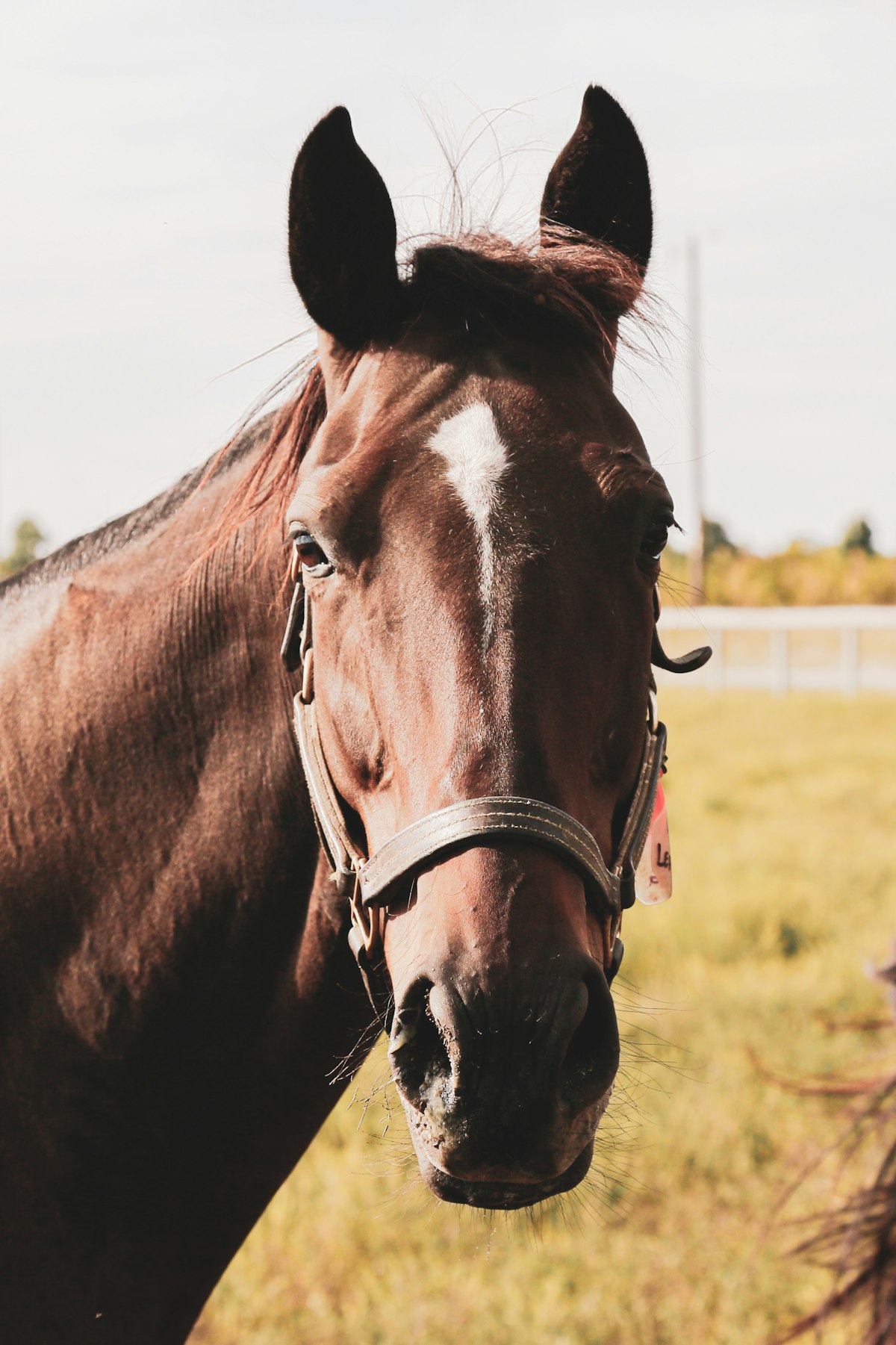
Horses evolved on open plains and can tolerate a wide range of weather conditions. However, they do need protection from certain environmental extremes:
- Rain and wet conditions: Prolonged exposure to rain destroys coat insulation and can cause skin problems
- Wind: Cold wind dramatically increases heat loss, especially in wet conditions
- Intense sun: Hot sun causes overheating and sunburn, especially on pink skin
- Insects: Relief from flies and mosquitoes reduces stress and disease risk
Natural shelter like trees and terrain features can work, but many situations require constructed shelter.
Types of Shelter
Run-In Sheds
Three-sided shelters open to the pasture are the most common and practical option for horses living out. They allow horses to come and go freely while providing protection from weather.
Size requirements:
- Minimum 12×12 feet for one horse
- Add 100+ square feet for each additional horse
- Opening should face away from prevailing wind and weather
- Height: 10-12 feet at the front, sloping to 8-10 feet at the back
Barn Stalls
Stalls provide more controlled environments but limit freedom of movement. Standard stall sizes:
- Average horses: 12×12 feet minimum
- Large horses/drafts: 14×14 feet
- Ponies: 10×10 feet
- Foaling stalls: 14×14 feet minimum
Stalled horses need daily turnout for physical and mental health. No horse should spend 24 hours daily in a stall long-term.
Natural Shelter
Trees, hills, and terrain features can provide adequate shelter in mild climates. However, they’re rarely sufficient as the only protection—a run-in shed ensures horses always have reliable cover.
Ventilation: Critical for Health
Poor barn ventilation causes more health problems than cold weather ever will. Ammonia from urine, dust, and airborne pathogens concentrate in enclosed spaces, damaging respiratory systems.
Proper ventilation requirements:
- Air should smell fresh, not like ammonia
- No visible dust in the air
- Windows or vents allow air exchange without direct drafts on horses
- If you can smell ammonia, ventilation is inadequate
Horses tolerate cold far better than stuffy air. Keep barns well-ventilated even in winter—your horse is better off cool and breathing clean air than warm and inhaling ammonia.
Flooring Considerations
The right flooring affects soundness, comfort, and cleanliness:
Stall flooring options:
- Rubber mats over concrete: Easy to clean, cushioned, durable
- Rubber mats over compacted stone dust: Good drainage, moderate cushion
- Clay: Traditional, good cushion, requires regular maintenance
- Concrete alone: Not recommended—too hard on legs
Run-in shed flooring:
- Gravel with stone dust top: Excellent drainage, low maintenance
- Rubber mats: Easy cleaning, good for high-traffic areas
- Dirt: Works initially but becomes muddy over time
Bedding Requirements
Stalled horses need bedding for comfort and moisture absorption. Common options include:
- Wood shavings: Absorbent, readily available, comfortable. Avoid black walnut, which is toxic.
- Straw: Traditional, comfortable, but less absorbent and horses may eat it
- Pelleted bedding: Highly absorbent, easy to store, expands when wet
- Paper bedding: Dust-free, good for respiratory issues
Clean stalls daily, removing wet spots and manure. Complete bedding changes depend on the system but typically happen weekly to monthly.
Safe Shelter Construction
Horse shelters must be built with safety in mind:
- No sharp edges or protrusions: Hardware should be recessed or covered
- Smooth interior walls: No gaps where legs could get caught
- Wide doorways: At least 4 feet wide for single horses, 12+ feet for run-ins
- Secure latches: Horse-proof and easy for humans
- Protected electrical: All wiring out of reach in conduit
- Fire safety: Fire extinguishers, smoke detectors, clear evacuation routes
Multi-Horse Considerations
When multiple horses share shelter, herd dynamics matter:
- Dominant horses may prevent others from entering
- Provide shelter large enough for all horses simultaneously
- Consider multiple smaller shelters if aggression is an issue
- Ensure separate feeding areas so all horses can eat peacefully
Understanding horse body language helps you recognize tension and resource guarding at shared shelters.
Pasture Management
Shelter is just one component of good pasture management. Also address:
- Drainage: Prevent mud and standing water around shelter entrances
- Fencing: Safe, visible, well-maintained
- Water access: Clean, unfrozen water always available
- Feeding areas: Dry, clean areas for hay and grain
For complete guidance on housing and managing horses throughout the year, see our complete beginner’s guide to horse care and seasonal care guide.

Leave a Reply