Horse training has gotten complicated with all the different methods and philosophies flying around. As someone who’s started young horses, rehabbed problem horses, and spent years figuring out what actually works versus what just sounds good in theory, I learned everything there is to know about building trust and communicating with horses. Today, I will share it all with you.
Fair warning: this isn’t about quick tricks. Real trust takes time. But the principles are straightforward once you understand them.
How Horses Think (And Why It Matters)
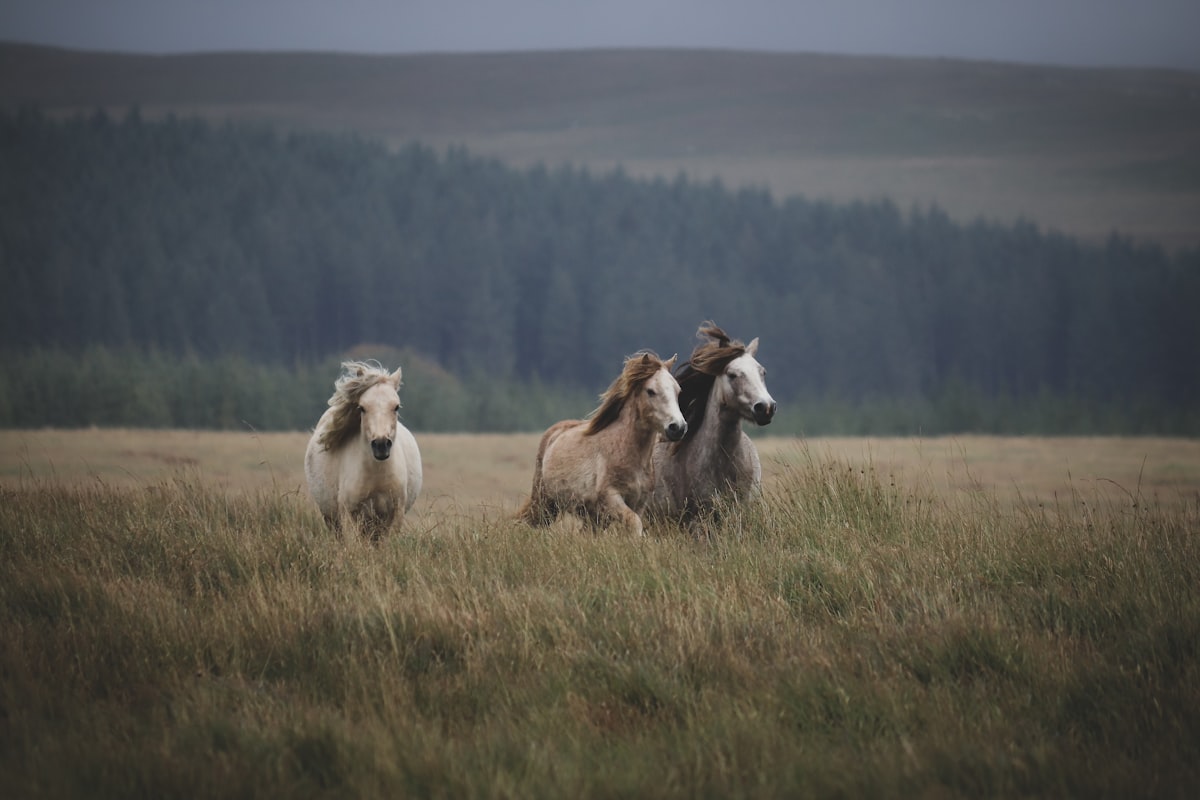
Before you can train a horse effectively, you need to get inside their head a little bit. Horses are prey animals. Their entire evolutionary history revolves around one thing: not getting eaten. That shapes everything about how they learn, react, and process the world.
The Flight Response
When a horse feels threatened, their brain goes straight to “run first, think later.” This is hardwired — you can’t train it out. What this means for you is that training methods based on fear or intimidation are not just wrong, they’re counterproductive. A scared horse literally cannot learn. Their brain is in survival mode, and everything you’re trying to teach goes right out the window. Good training keeps horses below their fear threshold, in the zone where they can actually think and process.
Herd Dynamics and Leadership
Horses are social animals that naturally organize into herds with clear pecking orders. They look for leadership and feel more secure when someone else is calling the shots. Your job as a trainer is to be that leader — not through force or domination, but through consistency, clarity, and calm confidence. There’s a huge difference between being a bully and being a leader. Horses know the difference instantly.
Memory That Doesn’t Quit
Horses have incredible memories, both for good experiences and bad ones. One traumatic event can create a fear that lasts years. On the flip side, consistent positive experiences build lasting confidence. This is why timing and consistency matter so much in training — horses learn from what happens in the moment, and those moments stick.
Building Trust: You Can’t Skip This Part
Probably should have led with this section, honestly. Trust isn’t something you can demand, and horses can spot fake confidence from a mile away. It gets earned through fair, consistent interactions over time. Here’s how I approach it.
Be the Most Boring, Predictable Person in the Barn
I know that doesn’t sound exciting, but horses love predictability. When you behave consistently, your horse learns to anticipate what you’ll do next, and they relax. Practically, this means:
- Using the same cues for the same asks, every single time
- Following the same daily routine
- Responding proportionally and consistently to behavior — no overreactions one day and ignoring it the next
- Moving calmly and deliberately around your horse
When a horse doesn’t know what to expect from you, they stay on edge. Predictability lets them drop their guard and actually pay attention to what you’re teaching.
Learn to Read the Room
Horses are talking to you all the time through body language. If you’re not listening, you’re missing half the conversation:
Relaxed horse: Soft eyes, ears gently forward or sideways, lowered head, resting a hind leg, maybe licking their lips or sighing. This is your green light.
Worried horse: Head up, eyes wide, nostrils flared, muscles tight, breathing fast, ears locked on whatever’s bothering them. Slow down.
Annoyed horse: Pinned ears, swishing tail, grinding teeth, turning away, pushing back against you. They’re telling you something’s wrong.
When you respond appropriately to these signals, your horse learns that you’re paying attention and you care about how they feel. That builds trust faster than anything else I know.
Respect Goes Both Ways
Your horse needs personal space respected — don’t crowd them or grab at them. But they also need to learn to respect yours. A horse that constantly pushes into your space isn’t showing affection; they’re testing boundaries. And a horse that won’t let you near them doesn’t trust you yet. Both situations need work.
Groundwork: Where Everything Starts
I never get on a horse — new to me or young — without doing groundwork first. Time on the ground is never wasted. It builds the communication foundation that makes everything under saddle easier.
Leading Properly
It sounds basic, but good leading is the cornerstone of everything. Your horse should walk beside you — not dragging you forward, not hanging back forcing you to pull, and definitely not wandering all over the place. They stop when you stop. Walk when you walk. Turn when you turn.
How I teach it:
- Hold the lead about 12-18 inches from the halter
- Walk with purpose. If you shuffle along like you’re undecided, the horse will be undecided too
- Use the same voice commands consistently: “walk,” “whoa”
- If they get ahead, stop them and back them up a couple steps
- If they lag, ask with your voice first before adding pressure
Yielding to Pressure
Teaching a horse to move away from pressure — on their head, shoulder, barrel, and hindquarters — gives you the tools to direct their movement from the ground. It’s sometimes called “pressure and release,” and it’s the backbone of most training systems.
The critical part is the release. You apply pressure, and the instant the horse gives the right response, you release. That release is the reward. It’s how the horse learns what you wanted. If you keep pressure on after they’ve done the right thing, you’ve taught them nothing except that trying doesn’t pay off.
Desensitization
Horses naturally react to new stuff. That flapping tarp, the weird noise, the umbrella — their instinct says “that could eat me.” Desensitization is about carefully showing them that most new things aren’t actually dangerous.
That’s what makes desensitization endearing to us horse people — you get to watch a horse go from “that plastic bag is going to kill me” to “oh, that thing again, whatever” and it’s genuinely satisfying.
How to do it right:
- Start at whatever distance the horse can handle without losing their mind
- Let them investigate at their own pace — curiosity is good
- Reward relaxation and bravery
- Never force a confrontation with something that’s scaring them
- Build on small wins
The Principles That Make Training Actually Work
Timing Is Everything
Horses connect cause and effect only when it’s immediate. Your response — reward or correction — needs to happen within seconds of the behavior. A pat on the neck ten seconds after a good stop? The horse appreciates the pat, but it didn’t teach them anything about stopping. Your timing needs to be sharp.
Consistency, Consistency, Consistency
Every single interaction with your horse is a training session, whether you mean it to be or not. If you let your horse push through your space sometimes and correct it other times, you haven’t set a rule — you’ve created confusion. Same applies to everyone who handles your horse. Mixed messages from different people undermine everything.
Challenge Without Overwhelming
Good training pushes the horse just enough to create learning without crossing into frustration or fear territory. Master simple things before moving to hard things. Each new skill builds on the last one. If the horse is struggling, break the task into smaller pieces. And always, always end on a good note — even if that means going back to something easy that they already know.
Find What Motivates Your Horse
Different horses respond to different rewards. Some of the best motivators I use:
- Release of pressure: For most horses, this is the most powerful reward you’ve got
- Rest: A brief pause in work says “good job” louder than you think
- Voice and scratches: Some horses light up with praise and a good wither scratch
- Treats: Powerful when timed well, but sloppy timing turns horses into muggers
Figure out what your horse values most and use it strategically.
Common Problems and What I Do About Them
The Fidgety Horse
Start by asking for just a few seconds of standing still, then reward that stillness with a break. Gradually increase the duration. And never — never — get on a horse that’s dancing around. Wait for a moment of quiet, then mount. You just taught them that patience gets them what they want.
The Rusher
Horses that rush usually lack confidence or are anticipating something. Slow your own energy down first. Use lots of transitions and avoid predictable patterns. Circles and direction changes help refocus a brain that’s running ahead of itself.
Barn Sour Behavior
The horse that won’t leave the barn or their buddies. Usually an insecurity issue. Build confidence with groundwork and make leaving the barn a positive experience. Start with short trips out and gradually extend them. I like to end work sessions away from the barn and walk quietly home — it teaches them that heading out means the hard work stops sooner.
The Spooky Horse
All horses spook. Chronic spookiness means chronic anxiety. Don’t punish spooking — you’ll just add fear of punishment to whatever already scared them. Stay calm, redirect their attention, and do the long-term work of systematic desensitization and confidence building.
When to Call a Professional
There’s zero shame in getting help. I’d actually recommend it if:
- Any behavior is putting your safety at risk
- You’re stuck and not making progress despite consistent effort
- You’re starting a young horse for the first time
- Serious fear is involved — either yours or the horse’s
- You’re moving into a new discipline
Good trainers don’t just fix horses. They teach you to communicate better with your horse. That’s the real value — the skills you develop together carry forward into everything you do.
Patience: The One Thing You Can’t Skip
If I had to name the single most important quality in horse training, it’s patience. Your horse doesn’t understand your timeline or your goals. They learn at their own speed, and rushing creates problems that take ten times longer to fix than if you’d gone slow from the start.
Celebrate the small stuff. A horse that leads a little better today than yesterday? That’s progress. A horse that stood still for mounting once? That’s the beginning of patience. These tiny improvements compound over time, and they’re how well-trained horses are actually made.
The relationship you build through fair, patient work will reward you with a partner who trusts you completely. And that partnership — built on respect and clear communication — is worth every minute you invest.

Leave a Reply