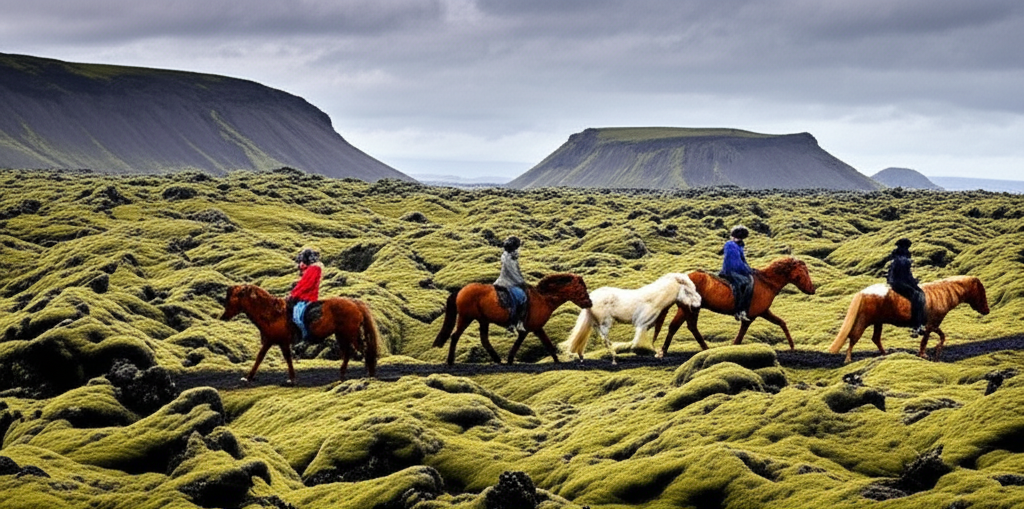
Iceland offers one of the most unique horseback riding experiences in the world. Riding the friendly Icelandic horse through volcanic landscapes, past waterfalls, and across vast lava fields is bucket-list material for any horse enthusiast.
Why Iceland for Horseback Riding?
The Icelandic Horse
The Icelandic horse is unlike any other breed:
- Pure bloodlines: Isolated for 1,000+ years—no horses imported since 982 AD
- Five gaits: Including the famous tölt (incredibly smooth)
- Hardy: Built for Iceland’s harsh conditions
- Friendly: Known for calm, willing temperament
- Size: 13-14 hands (pony-sized but called horses)
The Landscape
- Volcanic terrain and lava fields
- Dramatic mountains and glaciers
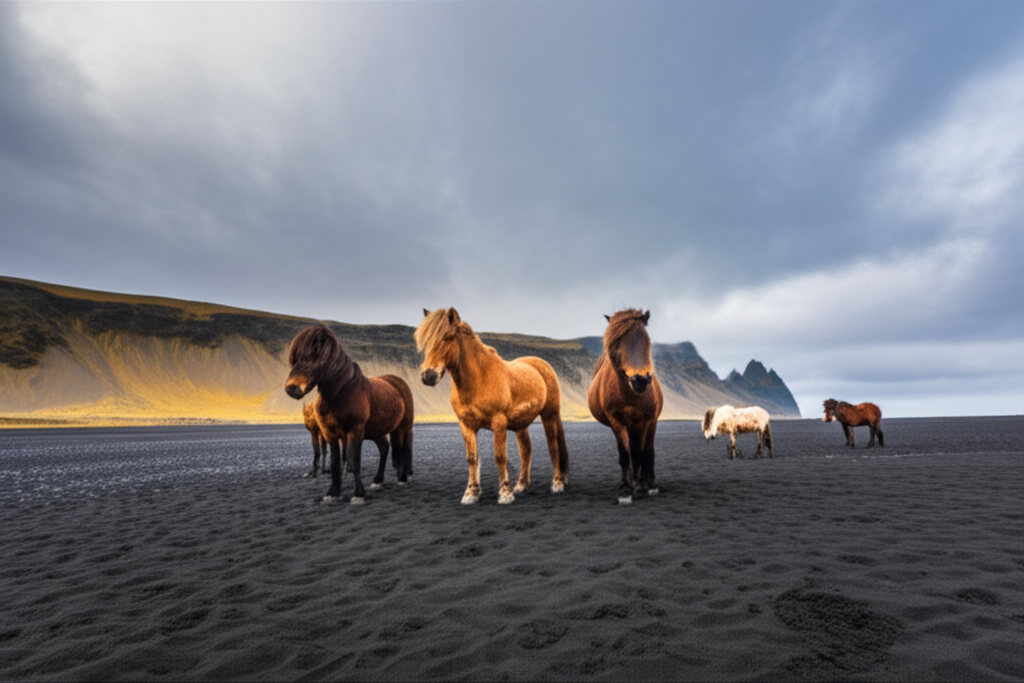
- Black sand beaches
- Endless summer daylight (June/July)
- Northern Lights (winter rides)
Best Icelandic Riding Experiences
1. Short Tours from Reykjavik (2-4 hours)
Perfect for cruise passengers or those with limited time:
- What: Intro ride through lava fields near Reykjavik
- Duration: 2-4 hours including transfer
- Skill level: Complete beginners welcome
- Cost: $100-$200 USD
- Experience: Learn to ride the tölt, scenic landscapes
2. Golden Circle Riding Tours
Combine horseback riding with Iceland’s most famous sights:
- Attractions: Geysir, Gullfoss, Thingvellir National Park
- Duration: Full day (ride portion 2-3 hours)
- Cost: $200-$350 USD
- Best for: First-time visitors wanting everything
3. Multi-Day Trek (4-8 Days)
The ultimate Icelandic horse experience:
- What: Travel across Iceland on horseback
- Accommodations: Mountain huts, farms, or camping
- Skill level: Intermediate+ (long hours in saddle)
- Cost: $2,000-$5,000+ USD
- Highlights: Remote areas, highland crossings, authentic experience
4. Round-Up Rides (Réttir)
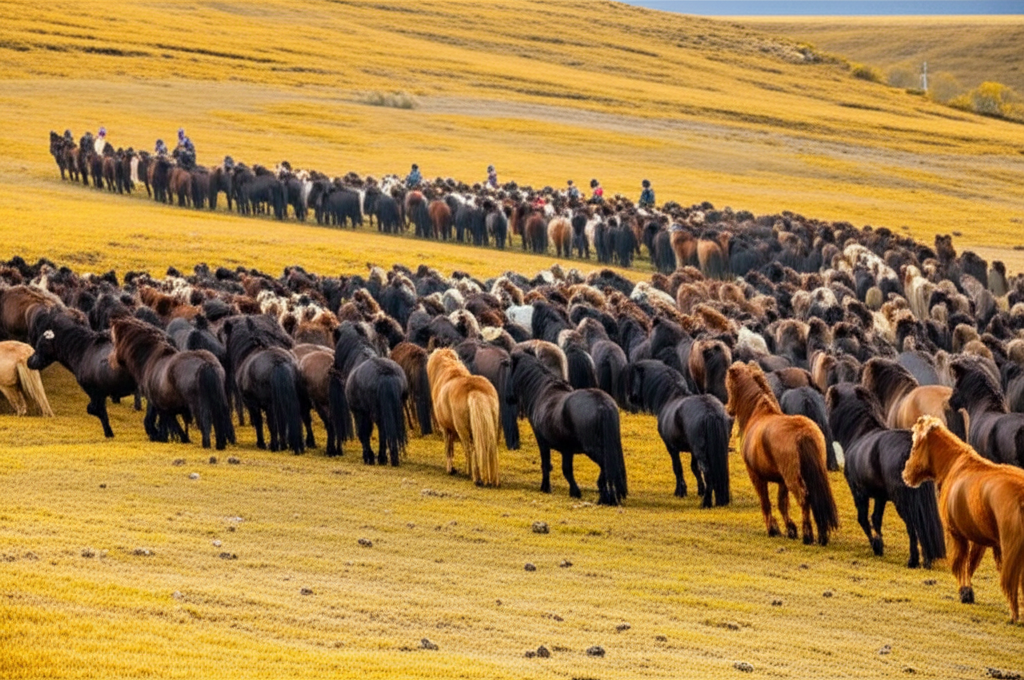
September/October annual tradition—help gather horses from summer pastures:
- When: Late September – early October
- What: Authentic Icelandic tradition, large horse herds
- Experience: Work alongside locals, cultural immersion
- Availability: Limited spots—book far ahead
Top Riding Locations in Iceland
| Region | Features | Best For |
|---|---|---|
| Near Reykjavik | Lava fields, mountains | Short tours, beginners |
| Skagafjörður (North) | Horse breeding heartland | Multi-day, enthusiasts |
| South Coast | Black beaches, waterfalls | Dramatic scenery |
| Highlands | Remote, volcanic | Advanced riders, treks |
| Snæfellsnes | Glacier, coastal | Photography, variety |
When to Ride in Iceland
Summer (June-August)
- Pros: Midnight sun, warmest weather, all routes accessible
- Cons: Most crowded, highest prices
- Best for: Multi-day treks, highland riding
Spring/Fall (May, September)
- Pros: Fewer crowds, shoulder season prices
- Cons: Variable weather, some routes closed
- Best for: September réttir (round-up)
Winter (November-February)
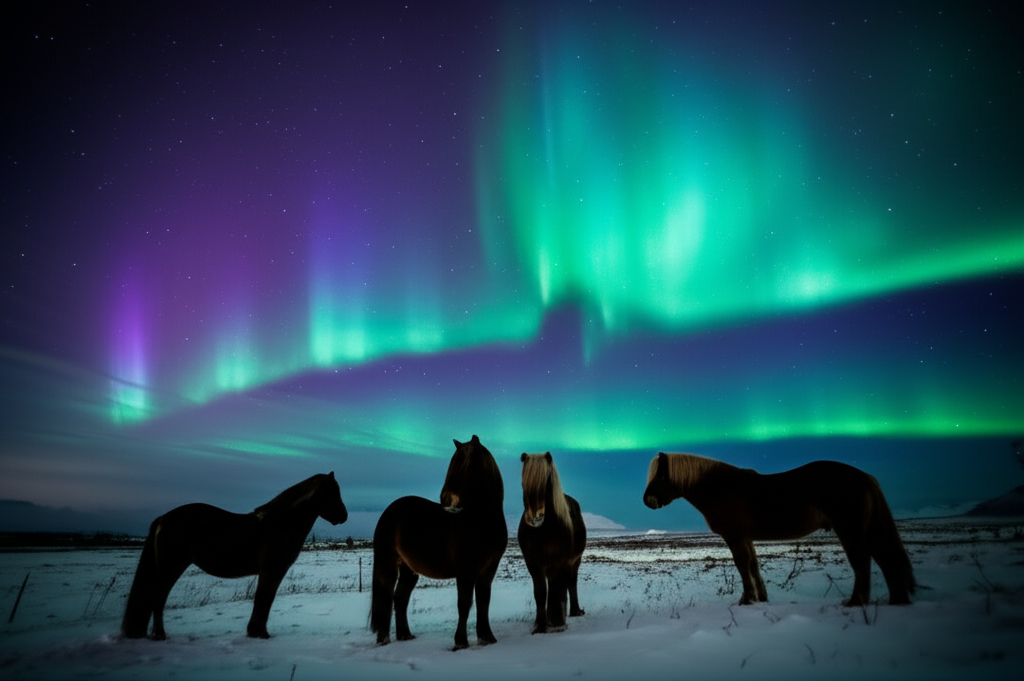
- Pros: Northern Lights rides, dramatic winter landscapes
- Cons: Cold, limited daylight, fewer tours available
- Best for: Experienced riders, Northern Lights
What to Expect on an Icelandic Riding Tour
Equipment Provided
- Well-trained Icelandic horse
- Riding helmet
- Often: rain gear, riding boots
What to Bring
- Layers: Weather changes fast
- Waterproof outer layer: Rain is common
- Warm hat and gloves: Even in summer
- Comfortable pants: No jeans with inner seams
- Camera: Scenery is incredible
Costs for Iceland Riding
| Experience | Duration | Price (USD) |
|---|---|---|
| Short intro ride | 1-2 hours | $80 – $150 |
| Half-day ride | 3-4 hours | $150 – $250 |
| Full-day ride | 6-8 hours | $250 – $400 |
| Multi-day trek | 3-8 days | $1,500 – $5,000+ |
Popular Tour Operators
- Íshestar: Iceland’s largest riding tour operator
- Eldhestar: Well-established, variety of tours
- Laxnes Horse Farm: Near Reykjavik, beginner-friendly
- Hestasport: North Iceland specialist
Tips for First-Time Riders in Iceland
- Book ahead: Popular tours fill up, especially summer
- Dress warm: Weather is unpredictable year-round
- Trust the horse: Icelandic horses are incredibly sure-footed
- Experience the tölt: Ask your guide to demonstrate this unique gait
- Consider insurance: Adventure activities may need separate coverage
- Extend your trip: Iceland has much more to see
The Bottom Line
Horseback riding in Iceland combines a unique breed, otherworldly landscapes, and a riding culture that dates back over 1,000 years. Whether you take a short ride near Reykjavik or a week-long highland trek, riding an Icelandic horse through volcanic terrain is an experience you’ll never forget. The friendly Icelandic horses and their incredibly smooth tölt gait make this accessible to riders of all levels.
Sources: Iceland Tourism Board, FEIF (International Federation of Icelandic Horse Associations), Inspired by Iceland

Leave a Reply