![How Much Does a Mustang Horse Cost? BLM Adoption Guide [2026]](https://horsebesties.com/wp-content/uploads/sites/115/2026/01/mustang-horse-1024x600.png)
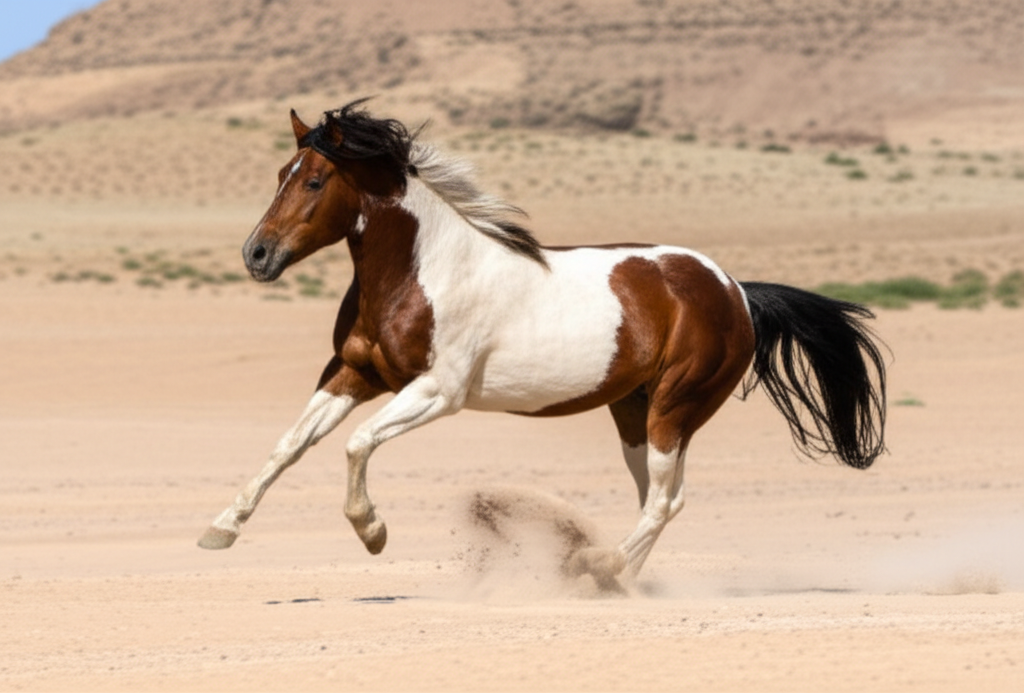
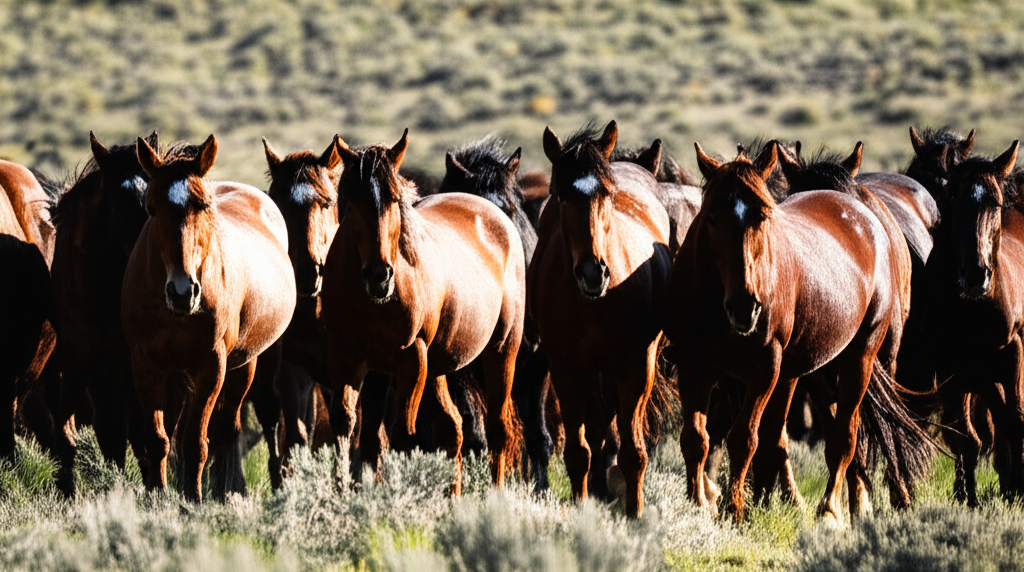
The American Mustang represents the spirit of the Wild West—hardy, intelligent, and shaped by centuries of natural selection. These feral horses descended from Spanish stock are available through the Bureau of Land Management (BLM) adoption program, making them one of the most affordable ways to own a horse. But what does a Mustang really cost?
Quick Answer: Mustang Horse Prices
| Type | Price Range |
|---|---|
| BLM Adoption (untrained) | $25 – $125 |
| BLM Adoption with Incentive | FREE + $1,000 incentive |
| Gentled/Started Mustang | $1,000 – $5,000 |
| Trained Mustang (riding) | $3,000 – $10,000 |
| TIP Challenge Winner | $5,000 – $25,000+ |
| Trained Competitive Mustang | $8,000 – $20,000 |
Understanding the BLM Adoption Program
The Bureau of Land Management manages wild horse populations on public lands. When populations exceed what the land can support, horses are gathered and made available for adoption.
Adoption Incentive Program
This is the best deal in horse ownership:
- Adoption fee: $25-$125
- You receive $1,000 incentive within 60 days
- Additional $1,000 at title (after one year)
- Net result: You’re paid $1,875-$1,975 to adopt a horse
Eligibility requirements:
- At least 18 years old
- Adequate facilities (corral, shelter, space)
- No felony convictions for animal abuse
- Facility inspection may be required
Where to Adopt
- BLM Adoption Events: Held throughout the western US
- BLM Facilities: Walk-in adoptions available
- Online Auctions: Via blm.gov
- Partner Organizations: Work with rescues nationwide
The True Cost: Beyond Adoption Fees
While Mustangs are cheap to acquire, the real costs come after:
Training Costs
Untrained Mustangs need professional help:
- Basic gentling (30-90 days): $500 – $2,000
- Halter breaking and groundwork: $1,000 – $3,000
- Starting under saddle: $2,000 – $5,000
- Complete training to ride: $5,000 – $15,000
DIY option: If you have experience with green horses, you can train your own Mustang—but it requires significant time and skill.
Time Investment
Training a wild horse takes:
- Minimum 6 months for basic handling
- 1-2 years for reliable riding horse
- Daily consistent work
Facility Requirements
You’ll need:
- 6-foot tall round pen or corral (minimum)
- Safe fencing throughout
- Shelter from weather
- Secure catch pen
Factors Affecting Mustang Prices
1. Training Level
The biggest price factor:
- Wild (untouched): Adoption fee only
- Halter trained: $500 – $2,000
- Groundwork complete: $1,500 – $4,000
- Started under saddle: $3,000 – $7,000
- Solid riding horse: $5,000 – $15,000
2. Age
- Weanlings/yearlings: Easiest to gentle, longest training time
- 2-4 years: Good balance of trainability and potential
- 5-10 years: More challenging but can become excellent horses
- Older horses: Most difficult to train; often best for experienced only
3. Color and Conformation
Doesn’t affect BLM price but affects resale:
- Flashy colors (grulla, buckskin, paint) more desirable
- Good conformation increases value after training
- Size varies (13-15.2 hands typical)
4. Herd Management Area (HMA)
Some HMAs are known for quality horses:
- Kiger Mustangs (Oregon): Spanish characteristics
- Sulphur Springs (Utah): Spanish Colonial heritage
- Pryor Mountains (Montana): Known for duns and grullas
Mustang Makeover Programs
Organizations train Mustangs for adoption:
Mustang Heritage Foundation
- Extreme Mustang Makeover: 100-day training competitions
- TIP (Trainer Incentive Program): Trained Mustangs available
- Horses typically sell for $1,000 – $25,000 at events
Prison Training Programs
Several states train Mustangs through inmate programs:
- Horses receive extensive handling
- Typically well-gentled and started
- Good value at $500 – $3,000
Ongoing Costs
Once trained, Mustangs are economical to keep:
| Expense | Monthly Cost | Notes |
|---|---|---|
| Board | $300 – $1,500 | Standard |
| Feed | $100 – $300 | Easy keepers—need less |
| Farrier | $30 – $150 | Many go barefoot |
| Vet | $40 – $100 | Generally very healthy |
Mustang advantage: Their hardiness means fewer health issues and lower maintenance costs than many domestic breeds.
What Mustangs Excel At
Well-trained Mustangs can compete with any breed:
- Trail riding: Excellent—sure-footed, calm, stamina
- Endurance: Natural athletes for distance
- Ranch work: Hardy and willing
- Competitive trail: Excel at distance and obstacle challenges
- Dressage: Some compete at higher levels
- Jumping: Athletic and capable
Is a Mustang Right for You?
Good fit if you:
- Have horse experience (especially with green horses)
- Are patient and enjoy the training process
- Want an affordable, hardy horse
- Value a unique bond with your horse
- Have proper facilities
Not ideal if you:
- Are a beginner rider
- Want to ride immediately
- Don’t have training experience or budget
- Need a horse for immediate competition
Tips for Adopting a Mustang
- Be realistic: Training takes time and expertise
- Budget for training: Factor in $3,000-$10,000 post-adoption
- Prepare facilities: 6-foot fencing is essential
- Consider a TIP horse: Already gentled and started
- Take your time: Choose a horse that appeals to you
- Find a mentor: Connect with experienced Mustang owners
The Bottom Line
Mustangs offer the most affordable entry into horse ownership—especially with the BLM incentive program literally paying you to adopt. However, the true investment is in training, either your time or money. Plan to spend $3,000-$10,000 total (including training) for a rideable Mustang, or adopt an already-trained horse for $3,000-$15,000. Once trained, these hardy horses are economical to keep and form incredibly strong bonds with their owners.
Sources: Bureau of Land Management, Mustang Heritage Foundation, American Mustang Association

Leave a Reply