![How Much Does a Warmblood Cost? [2026 Price Guide]](https://horsebesties.com/wp-content/uploads/sites/115/2026/01/ai_af3acda4_20260126_080735-1024x600.png)
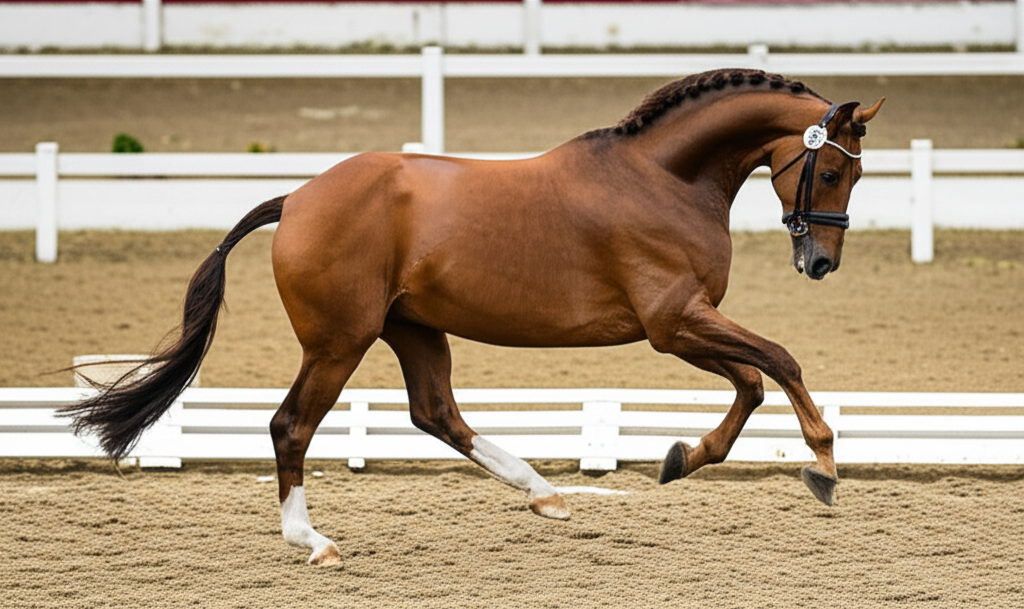
Warmbloods dominate the upper levels of dressage and show jumping worldwide. These purpose-bred sport horses combine athleticism, trainability, and elegant movement. But premium breeding comes with premium prices.
Quick Answer: Warmblood Prices
| Type | Price Range |
|---|---|
| Unregistered/Grade | $5,000 – $15,000 |
| Amateur Dressage/Jumper | $15,000 – $40,000 |
| Competitive Show Horse | $35,000 – $100,000 |
| FEI Level Dressage | $75,000 – $300,000 |
| Grand Prix Jumper | $100,000 – $1,000,000+ |
| Olympic Caliber | $500,000 – $15,000,000+ |
What Are Warmbloods?
Warmbloods aren’t a single breed—they’re a category of sport horse breeds developed in Europe for riding. Major registries include:
Popular Warmblood Breeds
- Hanoverian (Germany): Versatile, excellent for dressage and jumping
- Dutch Warmblood (KWPN): Top choice for show jumping
- Oldenburg (Germany): Known for movement quality
- Westphalian (Germany): Athletic, good temperament
- Holsteiner (Germany): Historically strong jumper bloodlines
- Trakehner (Germany): Elegant, more Thoroughbred influence
- Danish Warmblood: Rising star in dressage
- Swedish Warmblood: Athletic all-around sport horse
- Belgian Warmblood (BWP): Excellent jumpers
Factors Affecting Price
1. Bloodlines
- Offspring of proven sires (stallions) command premiums
- Dam (mother) performance record matters
- Inspection scores and breeding approvals
2. Movement Quality
For dressage prospects:
- Uphill tendency
- Active hind leg
- Elastic, cadenced gaits
- Natural collection ability
3. Jumping Ability
For jumper prospects:
- Careful (doesn’t want to touch rails)
- Scopey (can jump big)
- Good technique (bascule)
- Rideability between fences
4. Training Level
- Untrained 3-year-old: $15,000 – $50,000
- Started under saddle: $25,000 – $75,000
- Showing successfully: $50,000 – $150,000
- FEI level training: $100,000 – $500,000+
5. Competition Record
- Young horse championships increase value
- Each level achieved adds value
- International experience = premium
Warmblood Prices by Purpose
Dressage
- Training Level amateur: $15,000 – $40,000
- Second/Third Level: $35,000 – $80,000
- Prix St. Georges: $60,000 – $150,000
- Grand Prix: $150,000 – $1,000,000+
Show Jumping
- Low amateur: $20,000 – $50,000
- 1.20-1.30m: $40,000 – $100,000
- 1.40m+: $100,000 – $500,000
- Grand Prix: $300,000 – $5,000,000+
Eventing
- Lower levels: $15,000 – $40,000
- Training/Prelim: $30,000 – $75,000
- Advanced: $75,000 – $250,000+
Breeding
- Broodmare: $10,000 – $75,000
- Licensed stallion: $50,000 – $500,000+
- Foals: $8,000 – $50,000
Buying Young vs. Made Horses
Young Horse (3-5 years)
- Pros: Lower initial cost, train to your preferences
- Cons: Years of training ahead, uncertain potential
- Best for: Experienced riders/trainers
Made Horse (8+ years, trained)
- Pros: Ready to compete, known abilities
- Cons: Much higher cost, less time together
- Best for: Amateurs wanting to compete now
Where to Buy
- European imports: Often best quality, but add $5,000-15,000 for import costs
- Domestic breeders: Growing quality, easier logistics
- Auctions: Can find deals, but risky for inexperienced buyers
- Through trainer: Often the safest route
Ongoing Costs
Warmbloods often cost more to maintain:
| Expense | Monthly Cost |
|---|---|
| Board (training facility) | $800 – $2,500 |
| Training | $500 – $2,000 |
| Farrier | $100 – $300 |
| Vet/bodywork | $150 – $500 |
| Shows | $500 – $3,000+ |
The Bottom Line
Warmbloods are premium sport horses with premium prices. Expect $15,000-$40,000 for an amateur-suitable horse, with prices rising dramatically at upper levels. The highest-quality horses—those competing at Grand Prix or Olympic levels—can cost millions. Work with a reputable trainer, have a thorough pre-purchase exam, and be realistic about your goals and budget.
Sources: USDF, USEF, FEI, German Horse Registry


Leave a Reply