
Building Confidence in Spooky Horses has gotten complicated with all the confidence-building theories flying around. As someone who has ridden and trained some genuinely spooky horses including one who spooked at her own shadow, I learned everything there is to know about building confidence in spooky horses. Today, I will share it all with you.
Understanding the Spooky Horse
Before you can fix spookiness, you need to understand what’s driving it. Not all spooky horses are spooky for the same reasons.
Genetic Temperament
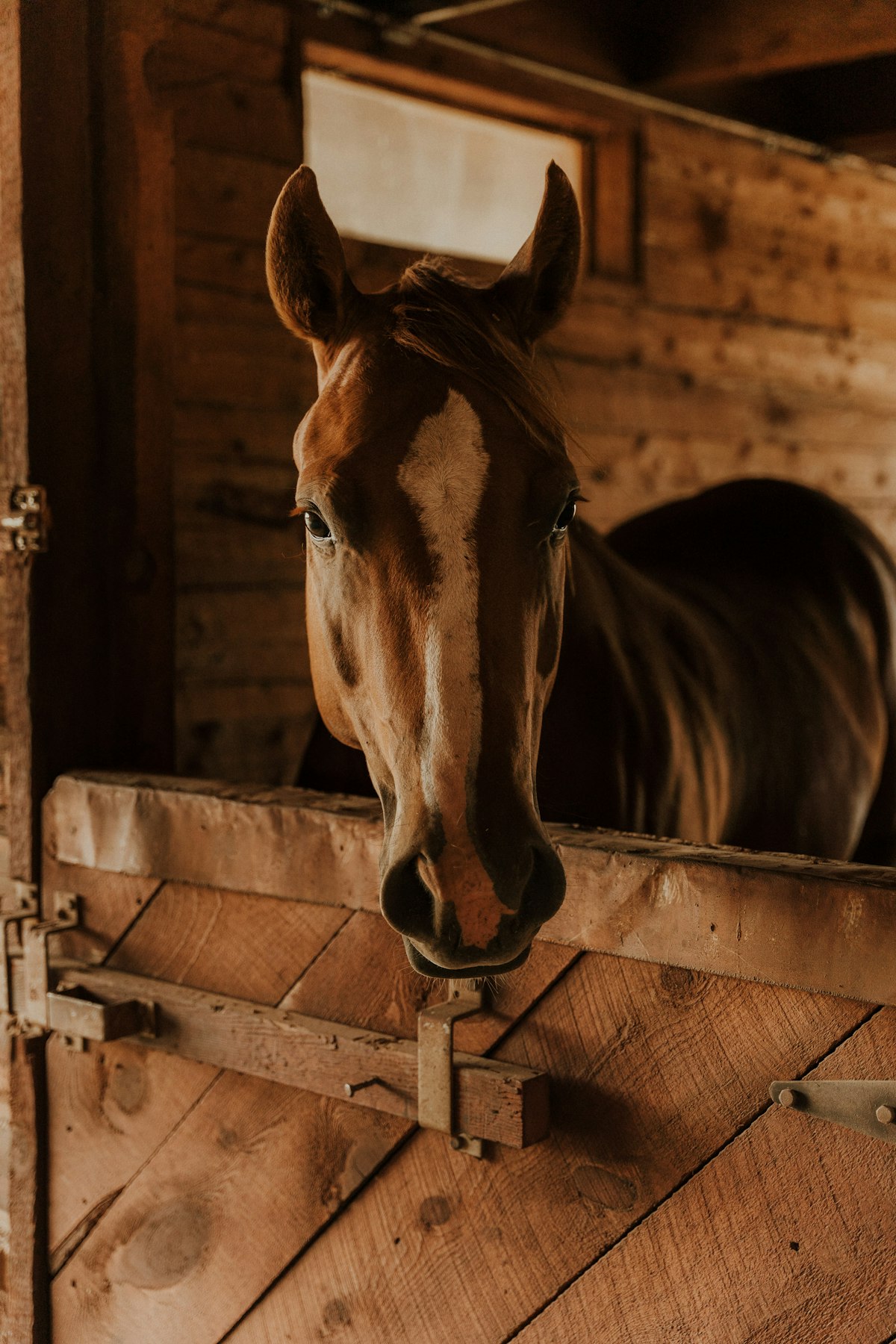
Some horses are born “hotter” than others. Certain breeds and bloodlines tend toward higher reactivity. You can’t change genetics, but you can work with them through training.
Lack of Exposure
Horses raised in limited environments haven’t learned that novel stimuli are usually harmless. A horse that’s only known a quiet farm may react to everything on their first trail ride.
Past Trauma
Horses that have experienced frightening events may develop lasting fear associations. These responses can seem irrational until you understand the history.
Pain or Physical Issues
According to the American Association of Equine Practitioners, sudden increases in spookiness warrant veterinary investigation. Vision problems, pain, and neurological issues can all manifest as increased fearfulness.
Handler Anxiety
Horses read human emotions with remarkable accuracy. If you expect your horse to spook, your tension communicates danger—and they respond accordingly.
The Foundation: Groundwork for Confidence
Building confidence starts on the ground where you can work safely and read your horse clearly.
Yielding Exercises
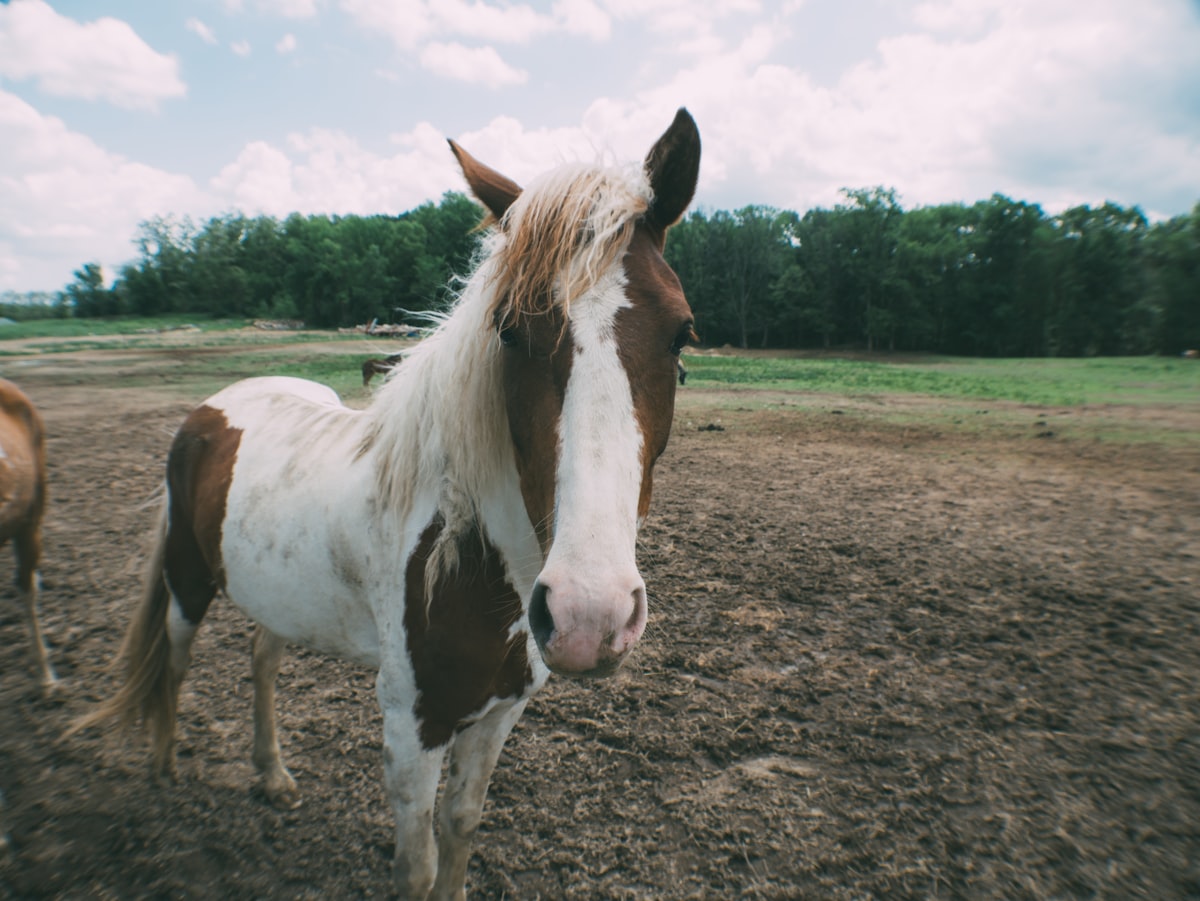
A horse that yields to your direction has accepted your leadership. This creates a foundation of trust—they look to you for guidance rather than making independent (often panicked) decisions.
Essential yields:
- Hindquarter yields (your “emergency brake”)
- Forequarter yields
- Backing
- Leading responsively
Practice these until they’re automatic. When your horse spooks, you need responses that work without thinking.
Approach and Retreat
Teach your horse to approach scary things by making retreat the reward for bravery.
- Lead toward a mildly scary object (a cone, a tarp, a barrel)
- When your horse shows any brave behavior (looking, walking toward, not fleeing), turn and walk away
- The retreat rewards their courage
- Repeat, getting progressively closer
- Let them investigate at their pace once close enough
Probably should have led with this section, honestly.
Systematic Desensitization
Desensitization exposes your horse to scary stimuli at levels below panic, gradually building tolerance. This is different from flooding (overwhelming exposure), which often backfires.
Key principles:
- Start at a distance or intensity your horse can handle
- Watch for signs of mild concern, not panic
- Reward calm behavior with removal of the stimulus
- Progress slowly, building on success
- End sessions on a positive note
Things to systematically introduce:
- Tarps, plastic bags, umbrellas
- Flags, ropes, moving objects
- Sounds (clippers, sprayers, vehicles)
- Objects on the ground, overhead, at various angles
- Other animals, bicycles, strollers
Building Confidence Under Saddle
Keep Them Busy
A horse focused on a task has less mental bandwidth for worrying. When you enter a potentially scary area:
- Ask for transitions
- Practice lateral work
- Use circles and changes of direction
- Give them something to think about besides the scary thing
Redirect, Don’t Punish
When your horse spooks, don’t punish the fear—redirect the energy. Bring their attention back to you with a task. Punishment creates fear of the correction on top of fear of the stimulus.
Allow Investigation
When safe, let your horse approach and inspect the scary object. Horses learn through investigation. Forcing them past something teaches them that scary things must be escaped, not understood.
Stay Calm Yourself
Your reaction to your horse’s spook matters enormously:
- Keep breathing (tension causes breath-holding)
- Maintain relaxed position
- Use a calm voice
- Don’t grab the reins or clamp with your legs
- React matter-of-factly—spooking isn’t a big deal
Trail Confidence Building
For many horses, trail riding presents the biggest confidence challenges because of unpredictable stimuli.
Trail confidence strategies:
- Start with familiar, low-stimulus trails
- Ride with a calm, experienced horse initially
- Gradually introduce more challenging environments
- Practice arena work addressing specific trail issues (water, bridges, narrow passages)
- Expose your horse to trail elements at home first
When Spooking Happens
In the moment:
- Stay centered and balanced
- Allow some movement (trying to completely stop a spook often makes it worse)
- Turn the horse’s head toward the scary object if possible (they can’t bolt toward what they’re looking at)
- Use a calm voice
- Once initial reaction passes, redirect to a task
After the spook:
- Don’t make a big deal of it
- Return to normal work
- If appropriate, approach the scary object and let them investigate
- Don’t end the session immediately (this can teach that spooking ends work)
Management for the Spooky Horse
Routine and Consistency
Nervous horses thrive on predictability. Consistent routines reduce baseline anxiety:
- Stable feeding times
- Predictable turnout schedule
- Consistent handling
- Familiar environment where possible
Diet Considerations
High-starch diets can contribute to reactive behavior in some horses. The Kentucky Equine Research suggests that horses fed primarily forage with fat rather than grain for additional calories often show calmer behavior.
Adequate Turnout
A horse that’s been stalled for days will be more reactive than one that’s had adequate movement and mental stimulation. Turnout helps horses self-regulate their energy and stress.
Social Stability
Horses in stable social groups with established hierarchies are typically calmer than those in constantly changing herds or isolation.
Signs of Progress
Confidence building is gradual. Watch for:
- Shorter recovery time after spooks
- Decreased intensity of reactions
- Looking to you during uncertain situations
- Willingness to investigate rather than flee
- Calmer behavior in previously triggering situations
- Ability to relax after initial alertness
When to Seek Help
Consider professional assistance if:
- Spooking is severe enough to be dangerous
- Behavior seems to worsen despite training efforts
- You suspect pain or physical issues
- Your own confidence has been shaken
- You’re unsure how to address specific triggers
Patience and Persistence
Building a confident horse takes time—often months to years of consistent work. There will be setbacks. Progress isn’t linear. But every positive experience, every successful approach to a scary object, every calm response to a potential trigger builds the foundation of a braver horse.
Remember that your horse isn’t being “bad” when they spook—they’re being a horse. Their flight response kept their ancestors alive for millions of years. Your job isn’t to eliminate that response but to help them learn to evaluate threats more accurately and trust your guidance when uncertain.
Sources: American Association of Equine Practitioners, Kentucky Equine Research, Applied Animal Behaviour Science

Leave a Reply