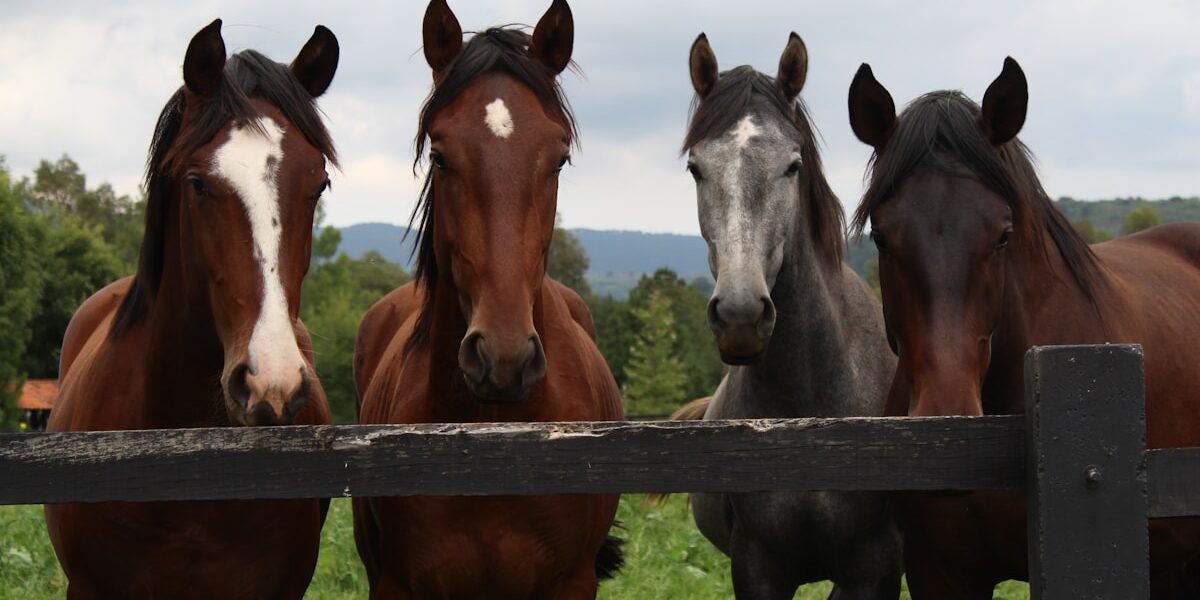
The Thoroughbred is synonymous with horse racing, but these athletic horses offer much more than speed. From the racetrack to the show ring, Thoroughbreds are versatile athletes that excel in nearly every discipline when matched with the right rider.

Racing Origins
Thoroughbreds were developed in 17th and 18th century England specifically for racing. The breed traces to three foundation stallions—the Byerly Turk, the Darley Arabian, and the Godolphin Arabian—crossed with native English mares.
Selective breeding for speed over several centuries created the fastest horse breed in the world over distances from half a mile to two miles. Every modern Thoroughbred can trace ancestry to these three founding stallions.
Physical Characteristics
Thoroughbreds are built for speed:
- Height: 15.2 to 17 hands, averaging 16 hands
- Weight: 1,000 to 1,200 pounds
- Build: Athletic, refined, and lean
- Legs: Long, with well-defined tendons
- Chest: Deep for lung capacity
- Hindquarters: Powerful for propulsion
- Head: Refined, intelligent expression
Common colors include bay, brown, chestnut, black, and gray. White markings on face and legs are common.
Temperament
Thoroughbreds are known for their athleticism and sensitivity:
- Hot-blooded: Energetic, forward-moving, reactive
- Intelligent: Quick learners
- Sensitive: Respond to subtle cues—and rider anxiety
- Athletic: Love to work and move
- Competitive: Natural desire to excel
This temperament suits experienced riders who appreciate a forward horse. For first-time owners, breeds from our beginner breed guide may be more appropriate starting points.
Beyond the Racetrack
While racing is their heritage, retired Thoroughbreds (“OTTBs”) excel in second careers:
Eventing
Thoroughbreds dominate the sport of eventing at all levels, from beginner novice to international competition. Their courage, stamina, and athleticism make them ideal for this demanding three-phase sport.
Show Jumping
Many successful show jumpers are Thoroughbreds or Thoroughbred crosses. Their scope and bravery suit the sport well.
Dressage
While warmbloods dominate upper-level dressage, Thoroughbreds compete successfully through the levels and excel at lower levels.
Hunters
The hunter ring values the Thoroughbred’s ground-covering stride and elegant appearance. Many hunter champions are Thoroughbreds.
Polo
Most polo ponies are Thoroughbreds or Thoroughbred crosses, valued for their speed and agility.
Trail and Pleasure
With proper training and temperament matching, many Thoroughbreds make excellent trail partners and pleasure horses.
Adopting an OTTB
Thousands of Thoroughbreds retire from racing each year, and adoption programs match these horses with new careers. Consider when adopting:
- Retraining needs: Racehorses know speed, not typical riding
- Time investment: Expect 6-12 months of retraining
- Professional help: Work with an OTTB-experienced trainer
- Health evaluation: Get thorough pre-purchase exams
- Temperament assessment: Match horse to rider experience
Learn about evaluating potential horses in our complete guide to buying your first horse.
Health Considerations
Thoroughbreds face some breed-related health considerations:
- Leg soundness: Fine-boned legs can be prone to injury
- Exercise-induced pulmonary hemorrhage: Common in racehorses
- Ulcers: High-stress lifestyles contribute to gastric ulcers
- Hard keepers: High metabolisms may make weight maintenance challenging
With appropriate management, many Thoroughbreds remain sound and active well into their 20s. For diet management tips, see our guide to feeding horses.
Is a Thoroughbred Right for You?
Consider a Thoroughbred if you:
- Have solid riding experience
- Enjoy forward, athletic horses
- Want to compete in English disciplines
- Have time for consistent training and exercise
- Want to give an ex-racehorse a second career
Thoroughbreds are remarkable athletes that reward skilled riders with unmatched partnerships. Explore more breeds in our complete guide to horse breeds.



Leave a Reply