![20 Horse Sounds and What Each One Means [2026]](https://horsebesties.com/wp-content/uploads/sites/115/2026/01/horse-012-1200x600.jpg)
Horse Sounds and What They Mean has gotten complicated with all the horse communication interpretations flying around. As someone who has been listening to horse sounds for over a decade and can now tell what my horses want before I see them, I learned everything there is to know about horse vocalizations and sounds. Today, I will share it all with you.
The Nicker: The Friendly Hello
The nicker is perhaps the most heartwarming sound horses make—a low, rumbling vibration produced with a closed mouth. It’s the equine equivalent of a warm greeting.
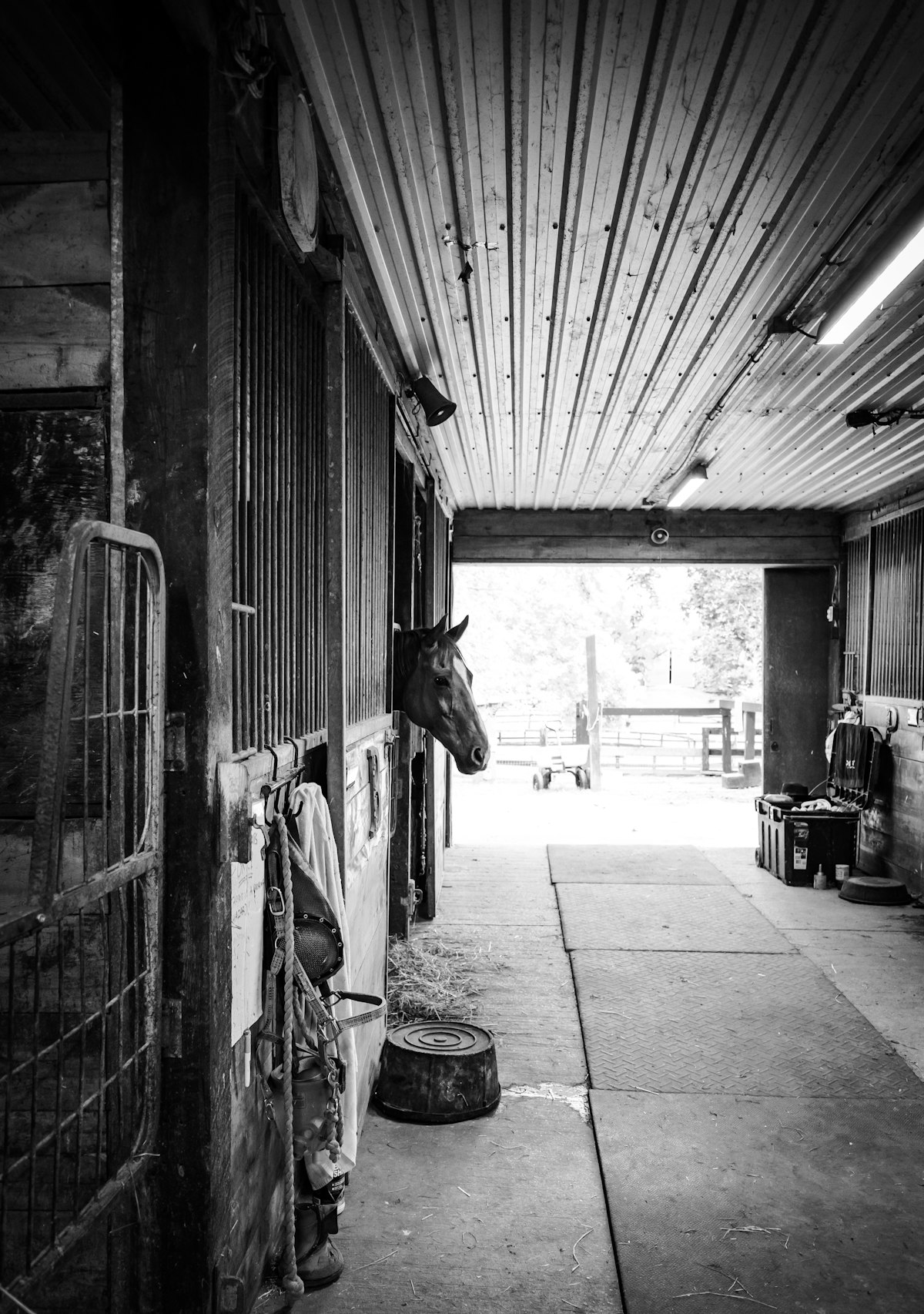
When horses nicker:
- Greeting a favorite person or horse
- Anticipating feeding time
- Calling to a close companion nearby
- Mares communicating with their foals
- Expressing contentment during pleasant handling
According to research in Applied Animal Behaviour Science, nickers are individually distinctive—horses can recognize each other by nicker alone, similar to how we recognize familiar voices.
Types of Nickers
Greeting nicker: Soft, medium-pitched, used when seeing someone they like.
Feeding nicker: Often slightly more urgent or repeated, clearly associated with food anticipation. Your horse hears the grain scoop and knows what’s coming!
Mare-foal nicker: Very soft, intimate sound mares use with their foals. Foals quickly learn their mother’s specific nicker.
Courtship nicker: Males may produce a lower, more vibrating nicker when interested in mares.
The Whinny: The Distance Call
The whinny (or neigh) is a loud, prolonged call that horses use when separated from companions or seeking contact over distance.
Structure of a whinny: The call typically starts high and descends in pitch, often with a vibrating quality at the end. It can travel considerable distances, allowing separated horses to locate each other.
When horses whinny:
- Separated from herdmates
- Arriving at a new location
- Hearing or seeing distant horses
- Left alone when companions leave
- Looking for a response from another horse
Reading the whinny:
- Loud, repeated, urgent whinnies: Significant anxiety about separation
- Single whinny with listening pause: Checking if someone is there
- Whinny that ends in nicker: Often means they’ve gotten a response or seen who they wanted
Probably should have led with this section, honestly.
The Squeal: The Protest Sound
Squeals are high-pitched, short, intense sounds typically made with a closed or nearly closed mouth.
When horses squeal:
- During introduction to new horses
- When another horse invades their space
- In protest during unwanted interactions
- Mares during breeding behavior
- As a defensive warning before escalating
The squeal is often accompanied by striking with a front leg or a defensive posture. It’s essentially saying “back off” without full aggression.
The Snort: The Alert Signal
Snorts are forceful exhalations through the nostrils, creating a distinctive explosive sound.
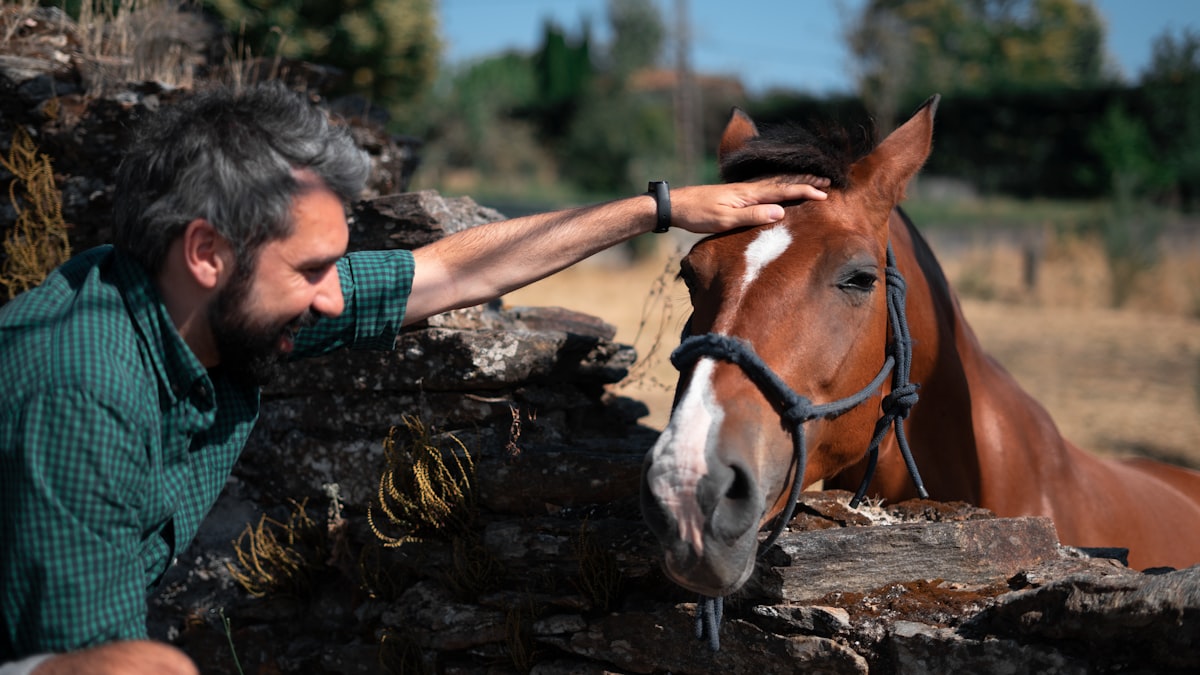
Two types of snorts:
Alert snort: Short, sharp, often repeated. Used to alert others to potential danger. The horse usually has their head up, ears forward, body tense. Other horses typically respond by also becoming alert.
Relaxation snort/blow: Softer, more prolonged exhale without the sharp quality. Indicates the horse is relaxing or releasing tension. You might hear this after a spook when the horse realizes there’s no threat, or after concentrated work.
The American Association of Equine Practitioners notes that learning to distinguish between alert and relaxation snorts helps handlers assess their horse’s mental state.
The Blow: Processing and Relaxing
Similar to but softer than the snort, the blow is a gentle exhale through the nostrils without the explosive quality.
What blowing indicates:
- Relaxation after tension
- Investigating new smells
- Greeting behavior (nose-to-nose blowing)
- Processing emotions or situations
The Scream: The Fight Sound
Rarely heard in well-managed domestic situations, the scream is a high-pitched, intense sound during serious aggression—usually between stallions or during extreme fear.
If you hear screaming, there’s a serious conflict happening that may require intervention (if safe to do so).
Groaning and Sighing
Lower, quieter vocalizations that indicate physical or emotional states:
Groaning:
- May occur during lying down or getting up
- Can indicate discomfort or effort
- Some horses groan during enjoyable scratching or rolling
- Repeated groaning warrants health assessment
Sighing:
- Deep exhalation often accompanying relaxation
- Common after tension release
- May occur during pleasant grooming
- Generally a positive sign
Interpreting Vocalizations in Context
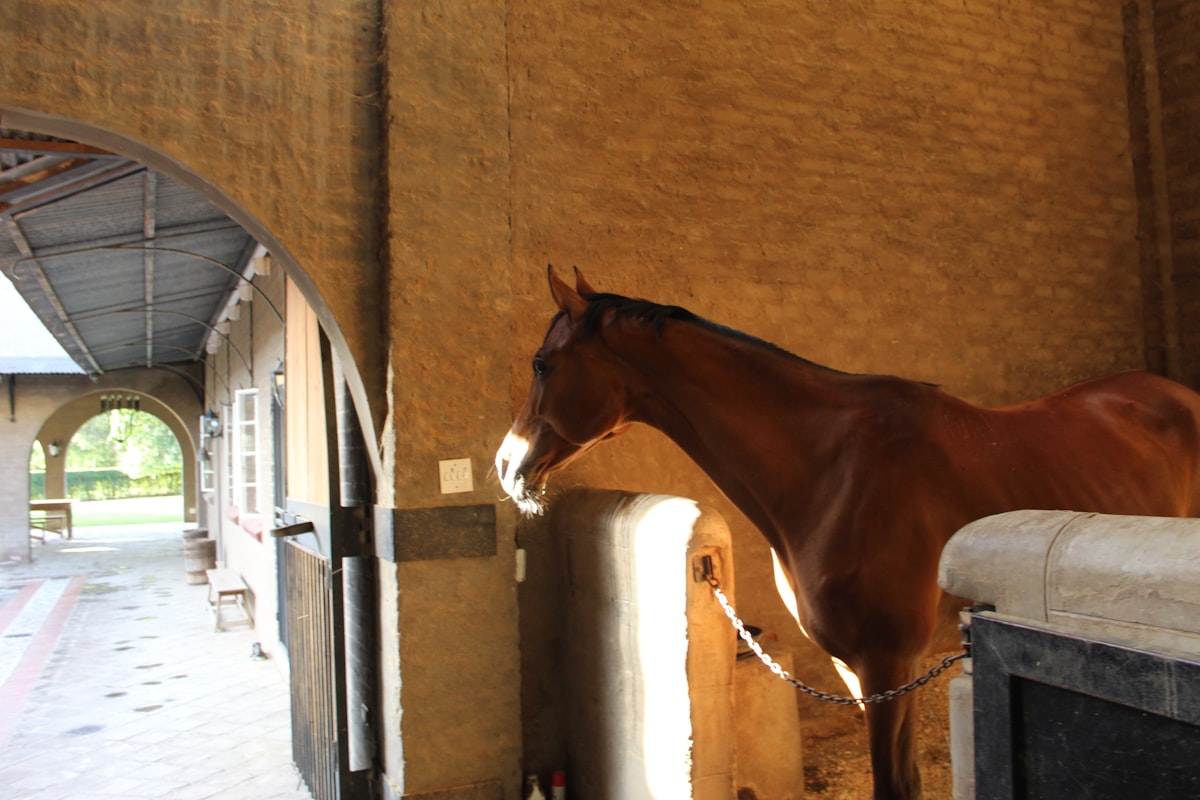
Sound alone doesn’t tell the whole story—context matters tremendously.
Consider:
- Body language accompanying the sound
- What triggered the vocalization
- What happens before and after
- The specific situation
- Whether this is typical for this individual horse
Example: A nicker when you approach could mean “Hello, friend!” or “Feed me NOW!” depending on context, timing, and accompanying body language.
Individual Variation
Like humans, horses have individual vocal personalities:
- Some horses are naturally “talkative,” vocalizing frequently
- Others are quiet, rarely making sounds
- Some have distinctive, recognizable voices
- Vocal behavior can change with age, experience, and circumstances
Learning your individual horse’s patterns helps you notice when something is different—which might indicate a problem.
Responding to Your Horse’s Vocalizations
When your horse nickers at you: Acknowledge them! A pat, a kind word, or simply approaching them reinforces the social bond.
When your horse whinnies repeatedly: They’re anxious about separation. Work on building confidence and reducing herd-bound behavior through training.
When your horse snorts alert: Look where they’re looking, assess for real danger, and model calm behavior. Your relaxed response helps them learn to assess threats more accurately.
When your horse squeals at another horse: Monitor but don’t necessarily intervene—they’re communicating. Intervene only if aggression escalates dangerously.
Vocalizations and Welfare
Changes in vocal patterns can indicate welfare concerns:
- Increased whinnying may indicate separation anxiety or stress
- Unusual groaning could signal pain
- A normally vocal horse becoming silent might indicate illness or depression
- Excessive screaming/squealing suggests serious social conflict
Pay attention to your horse’s normal vocal behavior so you can recognize when something changes.
The Silent Communication
While vocalizations are important, remember that horses communicate primarily through body language. Sound often accompanies visual signals—ears, eyes, posture, and movement—that together create the full message.
The most fluent horse people read the complete picture: sound, body language, context, and individual history. Your horse is always talking—learning their language just takes observation and attention.
Sources: Applied Animal Behaviour Science journal, American Association of Equine Practitioners, Kentucky Equine Research

Leave a Reply