![What Can Horses NOT Eat? 50+ Toxic Foods and Plants to Avoid [2026]](https://horsebesties.com/wp-content/uploads/sites/115/2026/01/horse-toxic-warning-1024x600.png)
Knowing what horses cannot eat has gotten complicated with all the well-meaning but sometimes inaccurate advice people share online.
That incident scared me straight. A red maple branch had fallen over the fence line after a storm, and my gelding was happily munching the wilted leaves when I found him. Wilted red maple leaves destroy red blood cells in horses. We got lucky — caught it early, vet came out, he was fine. But I spent the next two weeks identifying every single plant on my property and researching every food anyone had ever suggested giving a horse.
Why Food Safety Matters for Horses
Here’s the thing most people don’t realize about horses: they cannot vomit. Physically impossible. Their digestive system is a one-way street. So if your horse eats something toxic, it’s going through the entire system. There’s no quick fix, no “let’s just get it back up.” That makes prevention absolutely everything.
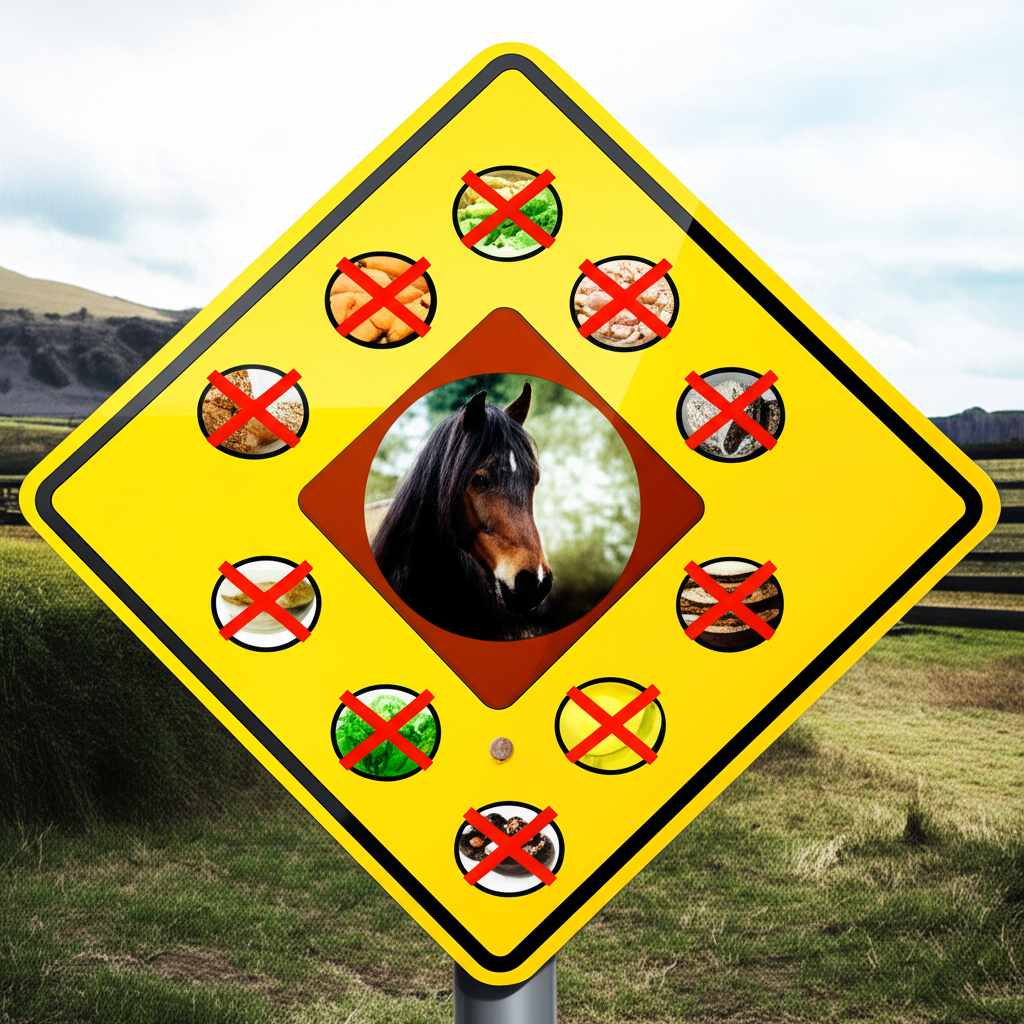
According to the American Association of Equine Practitioners, a significant number of emergency vet calls involve accidental ingestion of toxic substances. A little knowledge goes a long way toward preventing a crisis.
Fruits and Vegetables to Avoid
Definitely Toxic
Probably should have led with this section, honestly. These are the ones you absolutely need to know:
| Food | Danger Level | Why It’s Dangerous |
|---|---|---|
| Avocado | HIGH | Contains persin, which causes heart damage and respiratory distress. All parts of the plant are toxic, including the leaves. |
| Onions/Garlic | HIGH | Damages red blood cells, leading to anemia. This includes cooked onions, garlic powder, and anything in the allium family. |
| Tomatoes | HIGH | Part of the nightshade family. Contains solanine, which is toxic to horses. The leaves and stems are the worst, but the fruit isn’t safe either. |
| Potatoes (green/raw) | HIGH | Solanine poisoning causes neurological effects. Green potatoes and potato plants are especially dangerous. |
| Rhubarb | HIGH | High oxalic acid content causes kidney damage. The leaves are the most concentrated source. |
| Persimmons | MODERATE-HIGH | The seeds can cause intestinal blockages. Even the fruit in large amounts can form masses in the gut. |
Proceed with Extreme Caution
These fall into a gray area, but I err on the side of just not offering them:
- Grapes/Raisins: Proven toxic to dogs, and the research on horses is still unclear. I just don’t risk it. There are plenty of safe treats available.
- Stone fruit pits: Cherry, peach, plum, apricot — the fruit flesh is generally fine, but the pits contain cyanide compounds. Always remove pits before offering stone fruits.
- Apple seeds: Contain amygdalin which converts to cyanide. A few seeds from normal apple treating won’t hurt, but don’t feed a bucket of apple cores.
Plants That Are Toxic to Horses
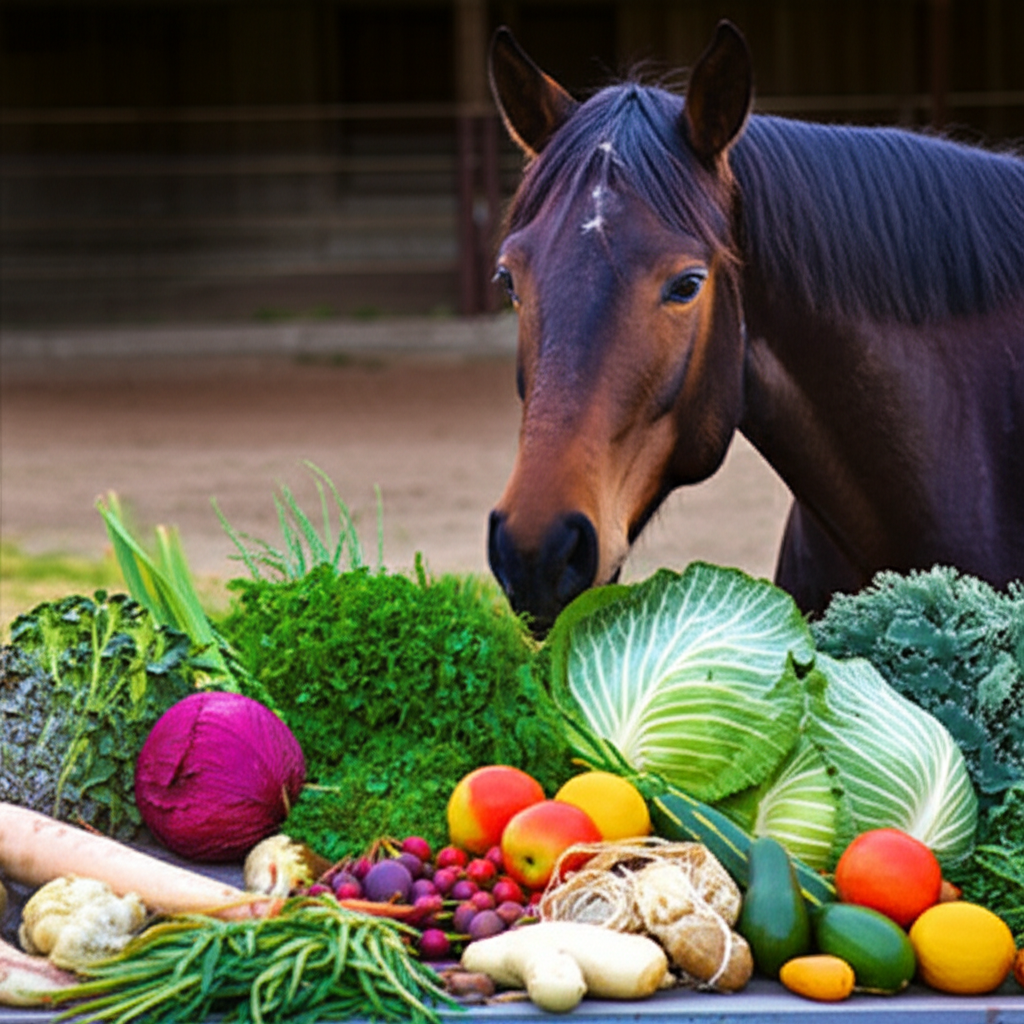
This is the one that keeps me up at night. Many common plants — including stuff you might have growing in your yard right now — can kill a horse.
Extremely Toxic Plants (Can Be Fatal)
I memorized this list and I suggest you do too:
| Plant | Effects | Notes |
|---|---|---|
| Yew | Sudden death from heart failure | All parts toxic. Often kills so fast there are no symptoms to observe. A handful of leaves can be fatal. |
| Red Maple | Destroys red blood cells | Wilted or dried leaves are the most dangerous form. This is the one that nearly got my horse. |
| Oleander | Heart failure, death | Every part is highly toxic. Even the smoke from burning oleander branches is dangerous. |
| Rhododendron/Azalea | Cardiac effects, colic, death | Extremely common landscape plant. People don’t realize how dangerous these are around horses. |
| Water Hemlock | Violent seizures, death within hours | Considered one of the most toxic plants in North America. Grows near water sources. |
| Poison Hemlock | Respiratory paralysis | Looks disturbingly similar to wild carrot. Learn to tell them apart. |
Highly Toxic Plants
Not immediately fatal like the ones above, but still very dangerous:
- Foxglove: Cardiac glycosides cause serious heart problems
- Lily of the Valley: Same cardiac toxins as foxglove
- Ragwort/Tansy: Causes cumulative liver damage. The scary part is that damage builds up silently over time until the liver fails. By the time you see symptoms, it’s often too late.
- Sorghum/Sudan Grass: Produces cyanide, especially when stressed by frost or drought
- Black Walnut: The shavings cause severe laminitis. Even a small percentage of black walnut mixed into regular shavings can founder a horse within hours.
- Locoweed: Neurological damage from chronic consumption
- Nightshade family: Belladonna, jimsonweed, and their relatives are all bad news
Moderately Toxic Plants
Less likely to kill but can still cause real problems:
- Bracken Fern: Prolonged consumption causes thiamine deficiency
- Buttercups: Cause mouth blisters and colic, though most horses avoid them because they taste bitter. Drying eliminates the toxin, so buttercups in hay are generally not an issue.
- Milkweed: Contains cardiac glycosides
- St. John’s Wort: Causes photosensitivity — horses develop severe sunburn-like reactions
- Hoary Alyssum: Causes dramatic leg swelling and can trigger founder
- Clover (under certain conditions): Infected clover can cause slobbers (excessive drooling) or photosensitivity. The clover itself isn’t the problem; it’s a fungus that grows on it.
Human Foods That Are Dangerous
Never Feed These
That’s what makes being careful about human food endearing to us horse owners — we know that what seems harmless to us can be genuinely dangerous to them.
| Food | Why It’s Dangerous |
|---|---|
| Chocolate | Theobromine toxicity causes colic, seizures, and can be fatal in large amounts. No, not even a little piece. |
| Caffeine | Heart arrhythmias and dangerous hyperactivity. This includes coffee grounds, tea, energy drinks. |
| Alcohol | Liver damage and central nervous system depression. Horses are far more sensitive to alcohol than humans. |
| Dairy Products | Horses are lactose intolerant as adults. Milk, cheese, yogurt — all cause digestive upset. |
| Meat/Fish | Horses are herbivores. Their digestive system is not equipped to process animal protein. |
| Processed Foods | Excessive salt, preservatives, and artificial ingredients are harmful. If it came from a package, keep it away from your horse. |
Avoid or Strictly Limit
- Bread: Can cause choke and has almost no nutritional value for horses. I know people who toss their stale bread to the horses, and I always discourage it.
- Baked goods: Sugar, flour, additives — none of it belongs in a horse
- Candy: Sugar overload and artificial ingredients
- Chips and salty snacks: Way too much sodium
- Lawn clippings: This is the one that catches people off guard. Grass clippings ferment rapidly and can cause severe colic. Plus they might contain toxic plants or lawn chemicals. Never dump clippings into the pasture.
Feed-Related Dangers
Moldy or Spoiled Feed
Mold produces mycotoxins that can cause a terrifying list of problems:
- Colic
- Liver damage (sometimes irreversible)
- Neurological problems
- Reproductive issues in broodmares
- Death in severe cases
Never feed:
- Hay with visible mold (white, blue, or dark patches)
- Grain that smells musty or off
- Feed that got wet and then dried — mycotoxins don’t go away just because the feed dried out
- Anything past its expiration or use-by date

Cattle Feed and Supplements
This section is critical if your property has other livestock:
- Ionophores (monensin, lasalocid): Found in cattle feed and FATAL to horses. Even tiny amounts can kill. This is one of the most common causes of horse poisoning on mixed-species farms. It keeps me up at night.
- Cattle mineral blocks: Often contain copper levels that are toxic to horses. Always use horse-specific mineral blocks.
- Medicated feeds for other species: Many additives perfectly safe for cattle, sheep, or chickens will poison a horse
CRITICAL: Always store horse feed completely separate from other livestock feed. Label everything clearly. One accidental cross-contamination can be fatal.
Toxic Substances Around the Barn
Chemicals and Cleaners
Horses are curious and will investigate (and sometimes taste) things they shouldn’t:
- Rodent poisons — keep these completely inaccessible to horses
- Insecticides and fly sprays in concentrated form
- Herbicides applied to pastures (follow label instructions for grazing restrictions)
- Antifreeze — the sweet taste attracts animals, but it’s deadly. Clean up any spills immediately.
- Lead paint in older barn buildings
- Fertilizers, especially if horses can access storage areas
Bedding Dangers
- Black walnut shavings: Causes severe laminitis within hours of contact. Even a 5% contamination of regular shavings can trigger it. Always know your shavings source.
- Treated wood shavings: Pressure-treated or chemically preserved wood releases toxins
- Cedar shavings: The aromatic oils cause respiratory irritation and may be toxic in quantity
Signs of Poisoning in Horses
Knowing these warning signs can save your horse’s life:
Immediate/Acute Symptoms
- Colic signs — pawing, rolling, looking at their sides, refusing to eat
- Excessive salivation or drooling
- Difficulty breathing or increased respiratory rate
- Rapid or irregular heart rate
- Trembling, muscle twitching, or staggering
- Seizures
- Collapse
Gradual/Chronic Symptoms
These are trickier because they develop slowly:
- Weight loss despite eating adequate amounts
- Dull, poor coat condition that doesn’t improve with grooming
- Photosensitivity — sunburn-like reactions on light-skinned areas
- Behavioral changes, lethargy, or depression
- Reduced appetite
- Jaundice — yellowing of the gums and whites of the eyes, indicating liver involvement
What to Do If Your Horse Eats Something Toxic
I have this protocol memorized. You should too:
- Stay calm. Panicking doesn’t help your horse. Deep breath.
- Remove access to whatever they ate. Get them away from the source immediately.
- Call your veterinarian. Right now. Not in five minutes, not after you Google it. Call.
- Document everything: What was eaten, approximately how much, and when you noticed. Your vet needs this information.
- Don’t try to induce vomiting. Horses physically cannot vomit. Don’t waste time trying.
- Save a sample of the plant or substance if you can do so safely. Your vet may need to identify it.
- Keep your horse as calm as possible while waiting for the vet.
Emergency contacts to have posted in your barn: Your vet’s regular and after-hours numbers, and the ASPCA Animal Poison Control Center at 888-426-4435. I have both on a laminated card by the barn door.
Prevention Checklist
Pasture Safety:
- Walk your pastures regularly to identify toxic plants. I do this seasonally, at minimum.
- Remove or fence off dangerous trees — red maple, yew, and black walnut especially
- Never throw garden clippings over the fence into horse areas
- Test soil and water quality annually
- Keep pastures well-maintained so horses have adequate grazing and don’t resort to eating undesirable plants out of hunger
Feed Storage:
- Store all feed in sealed, rodent-proof containers
- Keep horse feed completely separate from other livestock feed — I can’t stress this enough
- Check expiration dates regularly
- Inspect for mold before every single feeding
- Lock feed rooms. Horses that break into the feed room and gorge can founder or colic severely.
Barn Safety:
- Store all chemicals, cleaners, and medications completely out of reach
- Use only horse-safe bedding from verified sources
- Check for lead paint if you’re in an older barn
- Secure trash cans so horses can’t investigate the contents
Quick Reference: 50+ Foods/Substances to Avoid
Fruits/Vegetables: Avocado, tomatoes, raw/green potatoes, onions, garlic, rhubarb, persimmons
Plants: Yew, red maple, oleander, rhododendron, water hemlock, poison hemlock, foxglove, lily of the valley, ragwort, nightshade, locoweed, bracken fern, milkweed, sorghum, hoary alyssum
Human Foods: Chocolate, caffeine, alcohol, dairy products, meat, large amounts of bread, candy, processed foods
Feed: Moldy hay or grain, cattle feed containing ionophores, medicated feeds formulated for other species
Substances: Rodent poison, antifreeze, fertilizers, herbicides, black walnut shavings, treated wood
The Bottom Line
When it comes to toxic substances and horses, prevention is everything. Take the time to educate yourself, inspect your property thoroughly, and build safe habits around feeding and pasture management. Print this list and put it in your barn if it helps.
When you’re not sure whether something is safe, the answer is simple: don’t risk it. Stick to proven-safe treats like carrots, apples (minus the seeds), bananas, and watermelon. And when in doubt, call your vet. Better to make a “silly” phone call than to deal with the alternative.
Sources: American Association of Equine Practitioners, ASPCA Animal Poison Control, University of California Davis Veterinary Medicine, Kentucky Equine Research


Leave a Reply