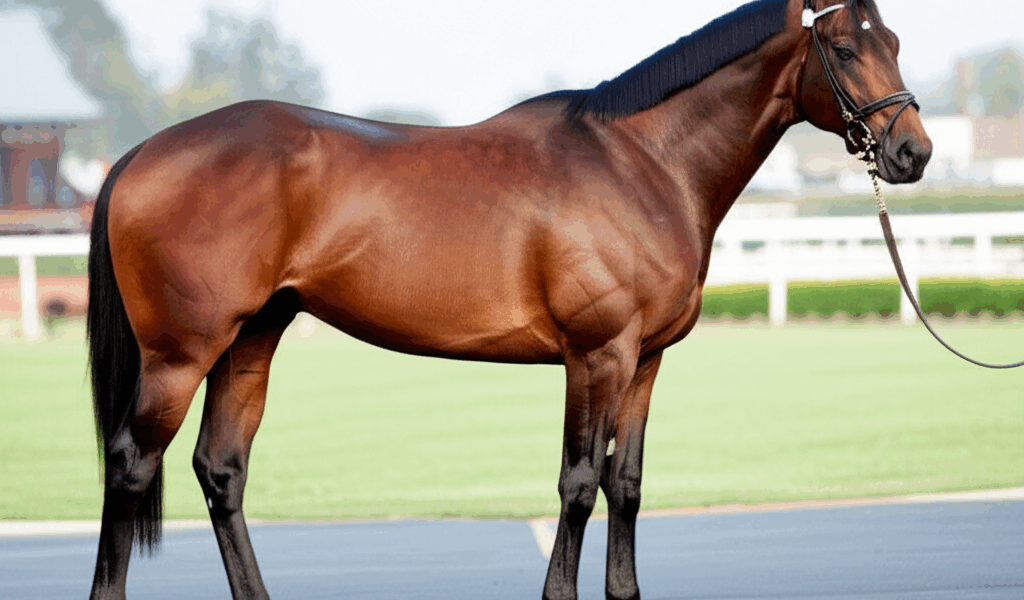
How much does a Thoroughbred cost? For riding and sport-horse buyers, a July 2026 snapshot of publicly priced Thoroughbred listings on DreamHorse showed visible asking examples from about $4,500 to $30,000. The horses ranged from restarted prospects to experienced jumpers. These are asking prices from a changing classifieds sample—not completed sales, a national average or a guide to racing bloodstock auctions.
Racing prospects, breeding stock, yearlings and elite racehorses operate in a different market and can sell for amounts far outside ordinary riding-horse listings. Decide which market you mean before comparing prices.
2026 Thoroughbred Riding-Horse Price Snapshot
| Visible listing example | Public asking price | Context |
|---|---|---|
| 2020 restarted mare, sport prospect | $4,500 | Restarted prospect; training and suitability need verification. |
| 2013 eventer/trail/4-H mare | $4,800 | Listing was later marked sold; asking price is not confirmed sale price. |
| 2014 gelding | $7,850 | Age and individual history affect comparability. |
| Experienced Thoroughbred jumper examples | $15,000–$20,000 | Training record and current soundness are central to value. |
| 2018 Thoroughbred mare seeking next partner | $30,000 | A top visible asking example, not a benchmark for every mare. |
The same category page included crosses, adoption listings, unpriced ads and non-Thoroughbred horses; those were not treated as equivalent observations. Refresh the search when buying and compare like with like.
Why Thoroughbred Prices Vary So Widely
Off-track, restarted and finished sport horses
An off-track Thoroughbred (OTTB) may be newly retired, let down after racing, professionally restarted or already proven in a second career. Those stages involve very different time, training and risk. “RRP eligible,” “restarted” and “show experience” describe different things; verify the exact criteria and work completed.
A lower acquisition price can come with higher training, boarding and evaluation costs. A finished horse may cost more up front but still requires an independent assessment.
Racing and breeding markets
Do not use ordinary pleasure-horse classifieds to value a racing prospect or breeding animal. Racing bloodstock prices depend on pedigree, conformation, veterinary repository findings, sale venue, age, racing record, breeding record and buyer competition. Published auction headlines are not representative of the typical riding Thoroughbred.
Training and performance
Demonstrated jumping, eventing, dressage, trail or lesson experience can affect asking price. Verify competition results against the horse’s identity, observe the horse performing the advertised job and bring a trainer experienced in that discipline.
Soundness and intended use
A horse may be comfortable for one job and unsuitable for another. Racing history, previous injuries, surgery and current imaging may matter differently for trail riding, jumping or upper-level eventing. AAEP emphasizes that the scope of a purchase examination should be chosen through communication between the buyer and veterinarian.
Verify the Thoroughbred’s Identity
The Jockey Club is the registry for Thoroughbreds in the United States, Canada and Puerto Rico. Its 2026 ID My Thoroughbred app can use a recorded microchip number—and now a tattoo number—to return the horse’s identity and detailed markings. Registration photos may also be available for eligible horses.
Before purchase:
- scan the microchip with an appropriate reader;
- compare the returned identity, markings and photographs with the horse;
- review the digital registration certificate and certificate-manager status;
- verify race records using the registered name;
- confirm the seller’s authority to sell; and
- report transfer of ownership through the appropriate Jockey Club process.
The American Stud Book rules allow transfer of ownership to be reported through a Transfer of Ownership form or Interactive Registration. A bill of sale remains important for the transaction; registry reporting and legal ownership documentation serve related but distinct purposes.
Pre-Purchase Examination for a Thoroughbred
AAEP advises buyers not to skip the purchase examination. The veterinarian reports findings; the buyer decides whether the horse is acceptable for the intended use. A veterinarian does not set the horse’s value or guarantee future soundness.
Tell the veterinarian the planned discipline, level, rider and management. Depending on the horse and goals, discuss:
- complete physical and lameness examinations;
- feet, hoof balance and shoeing;
- back, neck and neurologic findings;
- eyes, heart and respiratory system;
- review of racing, medication, injury and surgery history;
- radiographs, ultrasound, endoscopy or laboratory work when justified; and
- blood storage or drug screening under agreed conditions.
Use your own veterinarian when possible. If the veterinarian has previously treated the horse, AAEP ethics guidance calls for disclosure of that relationship and appropriate authorization for record release.
True First-Year Cost of an OTTB
The purchase or adoption fee may be the smallest part of the first-year budget. Price the complete transition:
- Transport: pickup, layover and health-document costs.
- Board: turnout, forage and a program suitable for transition from racing.
- Veterinary care: examination, dentistry, preventive care and follow-up on known findings.
- Hoof care: a plan based on the individual feet and workload.
- Training: professional restart, lessons and time without performance pressure.
- Tack: saddle fitting as the horse’s musculature changes.
- Emergency reserve: funds that are separate from ordinary monthly bills.
Use our monthly horse-cost worksheet, then add transition, training and examination costs for the actual horse.
How to Evaluate a Thoroughbred for Sale
- Choose the market. Separate riding/aftercare horses from racing and breeding stock.
- Verify identity. Scan the microchip or check the tattoo and compare markings.
- Confirm history. Review race, ownership, injury, medication and training records.
- Observe handling. Watch catching, leading, tying, hoof handling and loading.
- See the advertised work. Have the seller demonstrate before you ride.
- Use independent professionals. Bring a trainer and arrange a buyer-directed examination.
- Budget the transition. Include time, training and physical changes after racing.
- Use a written agreement. Record identity, price, disclosures, included items and terms.
Thoroughbred Cost FAQ
What is the average Thoroughbred price?
There is no useful single average across riding horses, OTTBs, race prospects and breeding stock. The July 2026 DreamHorse riding-horse snapshot used here showed visible asking examples around $4,500–$30,000.
Are OTTBs inexpensive?
Some have low acquisition fees, but total cost can include transition board, veterinary evaluation, hoof care and professional retraining. Judge affordability from the first-year plan, not the sale price alone.
Does a racing record make a better sport horse?
No single race statistic predicts suitability for a second career. Evaluate conformation, health, temperament, movement, training and the demands of the intended discipline.
How do I confirm an unknown Thoroughbred?
The Jockey Club’s ID My Thoroughbred app supports lookup using a recorded microchip or tattoo number. Compare the returned identity and markings with the horse.

Leave a Reply