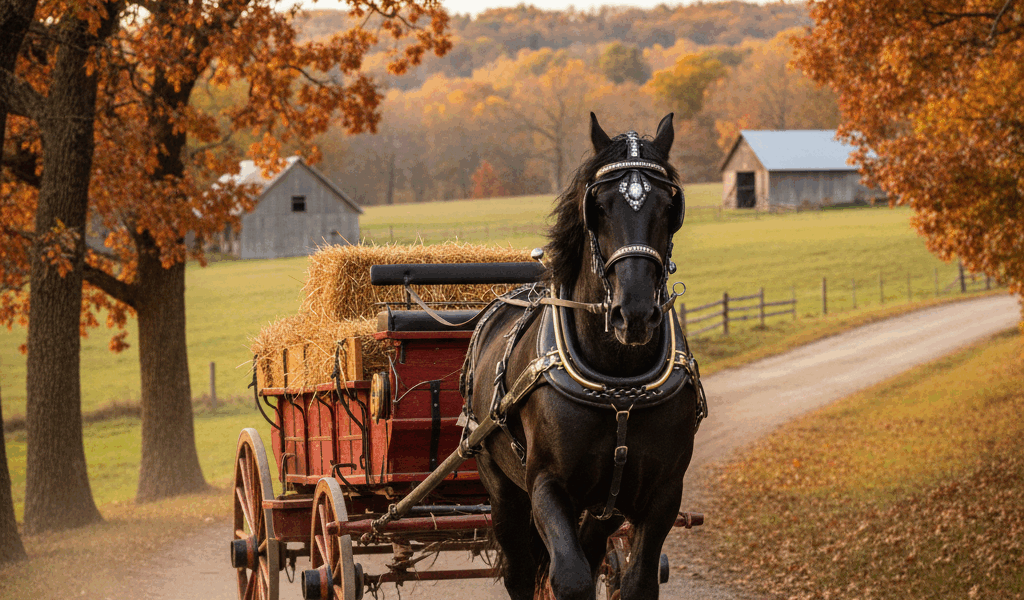
First-week horse ownership has gotten complicated with all the overwhelming information out there.
Keep Things Ridiculously Simple
I know you’re excited. I know you want to buy all the supplements, all the gear, all the fancy stuff. Resist that urge. Your new horse needs three things right now: clean water, quality hay, and a safe place to stand. That’s it. That’s the foundation. Everything else — the supplements, the specialized tack, the matching halter and lead rope set — can wait. I blew probably $400 on stuff I didn’t need during my first week because I got caught up in the excitement. Most of it sat in my tack room untouched for months.
Let Them Settle In — For Real
Probably should have led with this section, honestly. Your horse just got pulled from everything familiar and dropped into a completely new environment. New smells, new sounds, new horses nearby (or no horses nearby, which can be even more stressful). Most horses need a solid 2 to 3 weeks to really adjust.
They might pace the fence line. They might barely touch their feed for a day or two. They might call out for buddies that aren’t there anymore. All of this is normal transition behavior. I panicked the first time my horse wouldn’t eat her dinner and called the vet. He told me to give it 48 hours. She was fine by the next morning.
Establish a Routine Immediately
Horses are creatures of habit. They thrive on knowing what comes next. Feed at the same times every day. Groom at the same time. Turn out on a predictable schedule. That’s what makes consistency endearing to us horse owners — we see how quickly a nervous horse calms down when they can predict their day.
My routine is simple: morning feed at 7, turnout at 8, afternoon check at noon, evening feed at 5, stall at 7. My horses know this schedule better than I do. They’re waiting at the gate before I even walk out of the house.
Find a Good Vet Before You Need One
Don’t wait until you have an emergency to start looking for a vet. Get recommendations from local horse owners, from the feed store, from your farrier. Schedule a basic wellness check within the first couple weeks. Save that number in your phone, tape it to your barn wall, and memorize it.
I cannot overstate this. When something goes wrong — and eventually something will go wrong — you do not want to be frantically googling “equine vet near me” at midnight with a colicking horse.
Write Everything Down
Start a notebook or use your phone. Record what your horse eats and how much. Note water consumption. Track manure consistency (yes, you’re a poop detective now). Document any behavioral quirks, any spots that are sensitive to grooming, any preferences you notice.
This log becomes incredibly valuable if something seems off later. “She’s not eating” is vague. “She normally eats 15 pounds of hay daily but only touched 8 pounds yesterday and her manure was loose” gives your vet actual information to work with.
The learning curve during your first week is steep, no way around that. But focus on the basics, give yourself grace, and remember that every experienced horse person you see went through this exact same overwhelm. It gets easier. I promise.

Leave a Reply