![Can Horses Eat Watermelon? The Perfect Summer Treat [2026]](https://horsebesties.com/wp-content/uploads/sites/115/2026/01/horse-watermelon-1024x600.png)
Whether horses can eat watermelon has gotten complicated with all the treat debates online. As someone who discovered this was my horse’s absolute favorite summer treat purely by accident during a barn cookout, I learned everything there is to know about feeding watermelon to horses. Today, I will share it all with you.
Picture this: Fourth of July at the barn, we’re eating watermelon, and my gelding is staring at me with those eyes. I gave him a chunk. He practically inhaled it. Then came back for more. Then tried to steal the whole slice out of my hand. Watermelon is now a summer staple at our place.
Is Watermelon Safe for Horses?
Completely safe, and here’s the best part — every single part of the watermelon is fair game. The red flesh, the white rind, even the seeds. All non-toxic.
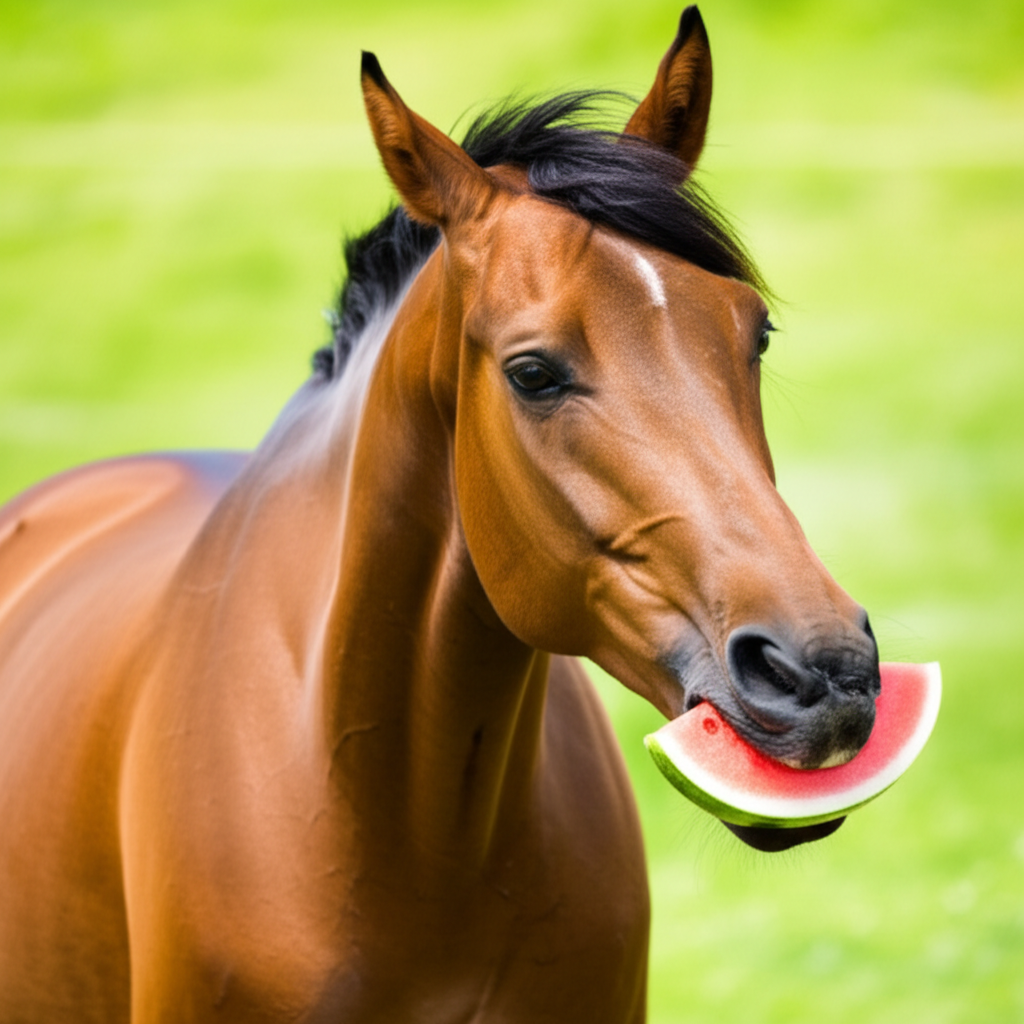
According to Kentucky Equine Research, watermelon is in the safe occasional treat category. Its massive water content makes it particularly valuable during hot weather when keeping your horse hydrated matters most.
What makes watermelon safe:
- No toxic compounds in any part of the fruit
- Seeds are small and pass right through
- That 92% water content is basically liquid in fruit form
- Natural sugars digest easily
- Soft texture means choking risk is minimal
Nutritional Benefits of Watermelon for Horses
It’s not just water and sugar. There’s actual nutritional value here that surprised me when I looked into it.
Hydration Hero
Probably should have led with this section, honestly. At roughly 92% water, watermelon is one of the most hydrating treats you can offer. This is especially valuable:
- During the sweltering summer months when dehydration risks climb
- For horses who are stubborn about drinking enough water (I’ve owned a few of these)
- After exercise or work sessions
- During travel, when horses often drink less than they should
Vitamins and Antioxidants
- Vitamin A: Supports eye health and immune function
- Vitamin C: Antioxidant benefits
- Vitamin B6: Supports metabolism
- Lycopene: Powerful antioxidant responsible for the red color
Minerals
- Potassium: Critical for muscle function, especially in working horses
- Magnesium: Supports muscle and nerve health

Amino Acids
Watermelon contains citrulline, an amino acid that may support circulation and muscle recovery. The amounts aren’t huge, but it’s a nice bonus you’re not getting from carrots.
Can Horses Eat Watermelon Rind?
Yes, and this is one of my favorite facts about watermelon as a horse treat. The rind is:
- Completely non-toxic
- Higher in fiber than the red flesh
- Lower in sugar than the red flesh
- Crunchy in a way many horses really enjoy
Tips for feeding the rind:
- Cut into pieces small enough that your horse can chew comfortably
- Wash the outer green skin to remove dirt and any chemical residues
- Some horses need a couple tries to accept the texture — don’t give up after one attempt
- Organic watermelons are ideal if you’re feeding a lot of rind
That’s what makes the rind endearing to us owners of sugar-sensitive horses — it’s the lower-sugar part of an already-safe treat.
Can Horses Eat Watermelon Seeds?
Yes. Unlike some fruit seeds (apple seeds contain cyanide compounds), watermelon seeds are completely harmless. They’re too small to cause choking, they pass through the digestive system without issue, and they even contain trace amounts of protein and healthy fats. Don’t bother picking them out.
How Much Watermelon Can a Horse Eat?
The sugar content means moderation still applies, even though watermelon is mostly water.
What I do:
- Regular treat: 1-2 cups of cubed watermelon
- Hot day refreshment: Up to 4 cups
- Maximum per day: About 2 pounds for a full-sized horse

Why limit it:
- Natural sugars add up quickly, especially if you’re generous
- Too much at once can cause loose manure
- It should never replace proper forage and clean water
- Can contribute to weight gain if overfed consistently
How to Feed Watermelon to Horses
Preparation Options
Cubed or sliced: Cut into manageable pieces. My go-to method for feed bucket additions.
Wedges: Hand a horse a watermelon wedge and watch them go to town. Supervise to make sure they’re not swallowing huge chunks.
Mashed: Mix into feed or add to water to encourage hydration. I’ve done this for a horse that was recovering from a mild dehydration episode.
Frozen: Freeze watermelon cubes for an extra-cooling treat. On a 95-degree day, this is the gold standard.
Feeding Tips
- Wash the outside before cutting
- Size the pieces appropriately for your horse
- Feed from a flat palm or bucket — watermelon juice makes fingers slippery and teeth are close
- Toss any moldy or off-smelling portions
- Cut watermelon keeps in the fridge for a few days — use it up or toss it
Horses Who Should Limit Watermelon
Metabolic Conditions
- Equine Metabolic Syndrome (EMS): Sugar content matters even in small amounts
- Insulin resistance: Natural sugars can still trigger responses
- Cushing’s disease (PPID): Sugar management is critical
- Laminitis history: Strict sugar control is non-negotiable
For metabolic horses, check with your vet. The rind (lower sugar) might be an acceptable alternative.
Overweight Horses
Limit high-sugar treats including watermelon. Feeding just the rind is a reasonable compromise.
Horses with Digestive Sensitivities
Some horses react to high-water-content foods with loose stools. Start small, see how they handle it.
Summer Cooling Strategies with Watermelon
Frozen Watermelon Treats
Freeze cubes for a longer-lasting, extra-cooling treat:
- Plain frozen cubes — simple and effective
- Watermelon frozen in ice cube trays with water
- Watermelon popsicles in horse-safe holders
Watermelon Water
Add watermelon juice or small pieces to water buckets to encourage drinking. I’ve used this trick with a horse who was notoriously stingy about water intake during summer and it genuinely helped.
Post-Ride Refreshment
Offer watermelon after hot-weather rides for cooling and rehydration. The natural sugars provide a quick energy boost when they need it most.

Watermelon vs. Other Summer Treats
| Treat | Water Content | Sugar | Best For |
|---|---|---|---|
| Watermelon | 92% | Medium | Hot weather hydration, summer treat |
| Cucumber | 95% | Very Low | Metabolic horses, maximum hydration |
| Cantaloupe | 90% | Medium | Variety, vitamin A source |
| Carrots | 88% | Low-Medium | Year-round, all-purpose treating |
Signs of Watermelon Overconsumption
Watch for:
- Loose manure or diarrhea — this is the most common sign
- Less interest in regular feed
- Excessive gas
- Gradual weight gain if you’re overfeeding regularly
If you notice digestive issues, cut back the amount and make sure plenty of hay is available. Hay rights the ship for most mild digestive disruptions.
Frequently Asked Questions
Can foals eat watermelon?
Yes, once they’re eating solid food regularly. Start with very small amounts of flesh only, no rind for the little ones.
Is seedless watermelon better for horses?
Either works perfectly. Seeds are harmless, so regular watermelon is just as safe. Seedless is slightly more convenient but not necessary.
Can horses eat watermelon every day in summer?
In moderation, yes. A small daily serving is fine for healthy horses. Rotate with other treats for nutritional variety.
Should I refrigerate watermelon before feeding?
Not required, but slightly chilled watermelon is extra refreshing on scorching days. Just don’t serve it frozen solid — that can cause mouth discomfort.
My horse won’t eat watermelon — is that normal?
Totally normal. Some horses are skeptical of new foods or just aren’t watermelon fans. No need to force it.
The Bottom Line
Watermelon is a safe, hydrating, and genuinely delicious summer treat that most horses go absolutely crazy for. Its massive water content makes it especially valuable in hot weather, and the fact that flesh, rind, and seeds are all safe makes preparation simple. Feed in moderation, watch for digestive changes, and your horse will have a refreshing treat to look forward to all summer long. There are few things as satisfying as watching your horse happily slurp up a juicy piece of watermelon on a blistering afternoon.
Sources: Kentucky Equine Research, American Association of Equine Practitioners, University of Minnesota Extension




Leave a Reply