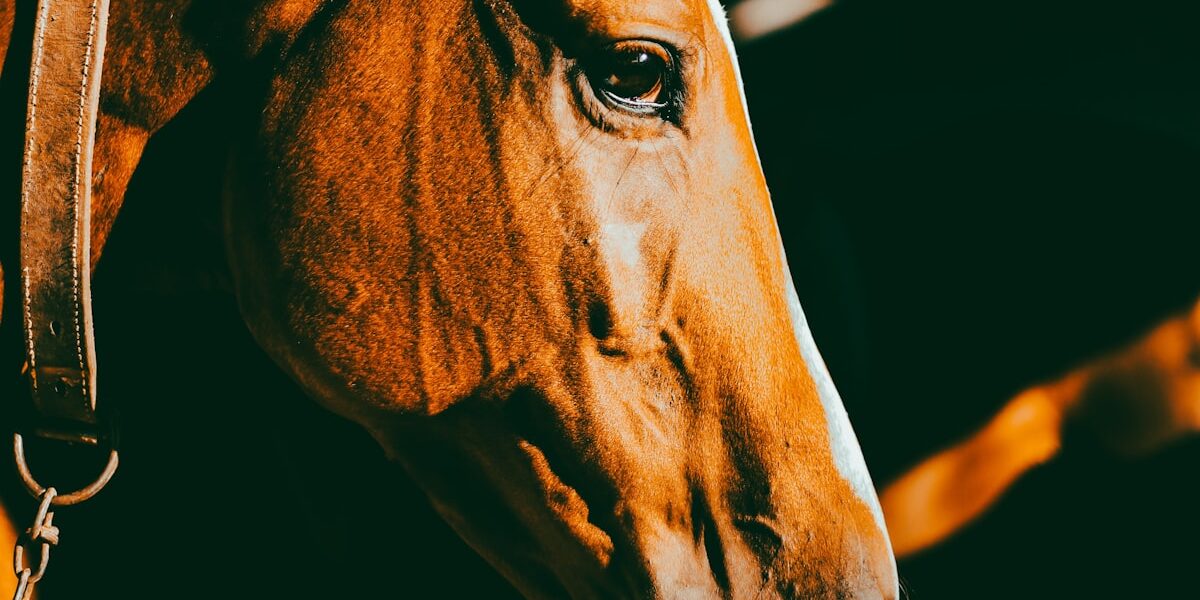
Recognizing common health problems early can mean the difference between a minor issue and a serious emergency. Every horse owner should know the warning signs of these frequently encountered conditions.
Colic
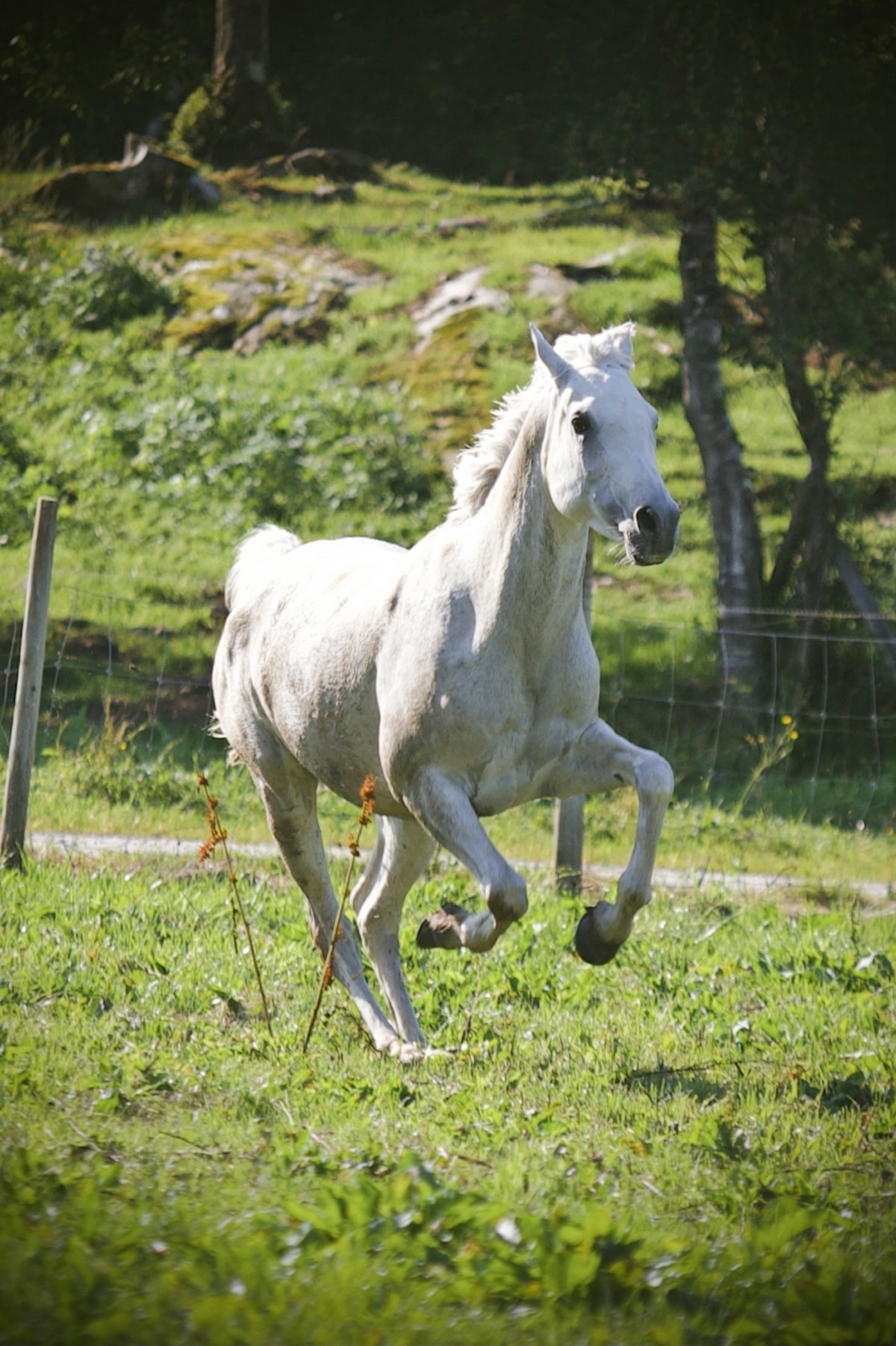
Colic—abdominal pain—is one of the most common and potentially serious conditions in horses. Early recognition saves lives.
Warning Signs
- Pawing at the ground
- Looking at or biting the flank
- Lying down and rolling repeatedly
- Stretching as if to urinate
- Loss of appetite
- Reduced or absent manure
- Elevated heart rate
- Sweating unrelated to exercise
What to Do
Remove food, call your veterinarian immediately, and walk the horse gently if they’re willing. Don’t let them roll violently if you can safely prevent it. Never wait to see if colic improves—time matters.
Prevention includes consistent feeding schedules, adequate water intake, dental care, and parasite management. See our guide to horse feeding for nutrition best practices.
Lameness
Lameness indicates pain somewhere in the leg or foot. Causes range from minor bruises to serious conditions requiring immediate care.
Warning Signs
- Head bobbing when walking or trotting
- Shortened stride on one leg
- Reluctance to move
- Resting one leg more than usual
- Heat or swelling in leg or hoof
- Digital pulse (throbbing in the fetlock area)
Common Causes
- Hoof abscesses: Infection in the hoof causing sudden severe lameness
- Bruised sole: From stepping on rocks or hard ground
- Soft tissue injuries: Strains and sprains of tendons and ligaments
- Laminitis: Inflammation of hoof tissues—a serious emergency
- Arthritis: Joint inflammation, especially in older horses
Mild lameness warrants rest and observation. Severe lameness, inability to bear weight, or lameness with heat and swelling requires veterinary attention. Regular hoof care prevents many issues.
Respiratory Problems
Respiratory conditions range from temporary infections to chronic management issues.
Warning Signs
- Coughing, especially during exercise
- Nasal discharge (clear, yellow, or green)
- Labored breathing or increased respiratory rate
- Flared nostrils at rest
- Heave line (visible abdominal effort to breathe)
- Fever
Common Conditions
- Equine influenza: Highly contagious viral infection with fever and coughing
- Strangles: Bacterial infection causing abscesses in lymph nodes
- Heaves (RAO): Chronic allergic airway disease triggered by dust and mold
Infectious respiratory diseases spread rapidly—isolate sick horses and call your vet. Chronic conditions often improve with environmental management (dust-free bedding, good ventilation, soaked hay).
Skin Conditions
Horses are prone to various skin problems, especially in humid conditions.
Rain Rot
Bacterial infection appearing as crusty scabs, often along the back and hindquarters. Caused by prolonged moisture on the skin. Treatment involves removing scabs, treating with antimicrobial shampoo, and keeping the horse dry.
Scratches (Pastern Dermatitis)
Infection of the skin on the lower legs and pasterns. Appears as scabs, cracks, and swelling. Often occurs in wet, muddy conditions. Keep legs clean and dry; treat with veterinary-recommended antimicrobials.
Ringworm
Fungal infection appearing as circular patches of hair loss. Highly contagious to other horses and humans. Treat with antifungal medications and disinfect all equipment.
Sweet Itch
Allergic reaction to midge bites causing intense itching, hair loss, and skin damage along the mane and tail. Management includes fly sheets, fans, and avoiding peak midge times.
Eye Problems
Eye issues require prompt attention to prevent permanent damage.
Warning Signs
- Squinting or keeping eye closed
- Excessive tearing
- Cloudiness or color change in the eye
- Swelling around the eye
- Sensitivity to light
Any eye problem warrants same-day veterinary attention. Keep the horse in dim light and avoid touching the eye while waiting for the vet.
Dental Problems
Horses’ teeth grow continuously and require regular maintenance. Dental issues affect eating, comfort, and performance.
Warning Signs
- Dropping feed while eating (quidding)
- Weight loss despite adequate food
- Head tilting while chewing
- Bad breath
- Resistance to the bit
- Whole grain in manure
Schedule dental exams annually. Most horses need floating (filing sharp points) every 1-2 years.
When to Call the Vet
Call your veterinarian promptly for:
- Any colic signs
- Severe or non-weight-bearing lameness
- Eye injuries or changes
- Fever over 102°F
- Respiratory distress
- Wounds that won’t stop bleeding or are near joints
- Inability to eat or drink
- Sudden behavior changes
Learn to check your horse’s vital signs and normal indicators so you can quickly recognize when something is wrong. For comprehensive health management guidance, see our complete beginner’s guide and seasonal care guide.

Leave a Reply