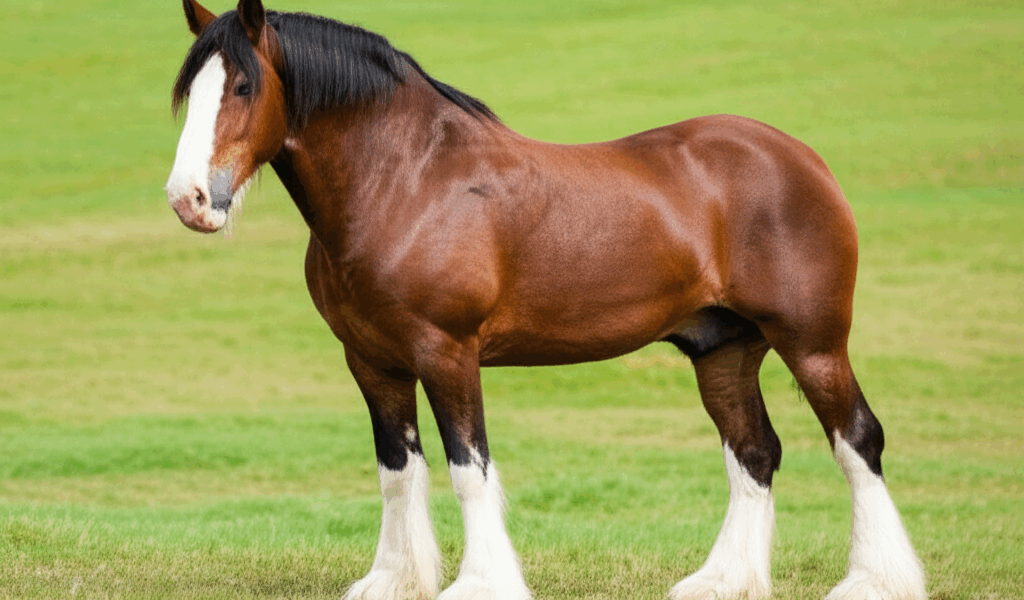
How much does a Clydesdale cost? In a July 2026 snapshot of publicly priced Clydesdale and Clydesdale-cross listings on DreamHorse, visible asking prices ranged roughly from $2,000 to $16,500. That is a small, changing classifieds snapshot—not a national average, appraisal or record of completed sales. Individual show, breeding, driving or matched-hitch horses may be advertised outside that range or without a public price.
The purchase price depends on the individual horse’s training, soundness, registration, age, driving or riding record and location. Before shopping, price draft-sized housing, transport, hoof care, tack and professional services locally. Those ongoing requirements can matter more than the initial check.
2026 Clydesdale Price Snapshot
| Visible listing example | Public asking price | Important context |
|---|---|---|
| Draft-cross mare | $2,000 | Advertised for an experienced home; not represented as a registered purebred. |
| Young draft-cross gelding | $5,000 | Age, training and pedigree require individual verification. |
| 2026 Clydesdale colt | $6,000 | A young prospect is not equivalent to a trained riding or driving horse. |
| 2019 Clydesdale gelding | $6,000 | Training, soundness and suitability must be confirmed. |
| Young Clydesdale colt or gelding | $9,500 | Public ads describe age and type, but asking price is not sale price. |
| Registered Clydesdale mare | $16,500 | A listed example, not a guaranteed benchmark for other mares. |
The sample includes current and recently visible listings and may include crosses or ads later marked sold. It demonstrates why a single internet “Clydesdale average” is misleading. Re-run the search when you are ready to buy and compare genuinely similar horses.
What Changes a Clydesdale’s Price?
Training and demonstrated behavior
A horse that safely drives single and in a team, stands for draft-horse hoof care, loads into a suitable trailer and has a verifiable work record can command more than an unstarted prospect. “Broke,” “beginner safe,” “drives” and “team horse” are marketing descriptions until you observe the behavior and verify the history.
Registration and identity
Registration documents establish recorded identity and pedigree; they do not guarantee health, temperament or performance. Compare the certificate, markings, ownership records and any permanent identification with the horse. The Clydesdale Breeders of the U.S.A. maintains the U.S. registry and member resources.
Riding, driving and hitch experience
A trained riding horse, pleasure-driving horse, commercial carriage horse and competitive hitch horse serve different markets. A matched team or hitch adds another layer: buyers are evaluating compatibility in size, movement, color, training and behavior, not merely multiplying a single-horse price.
Age, soundness and veterinary findings
Age affects expected training and working years, but it is not a substitute for a soundness evaluation. Arrange a veterinary pre-purchase examination matched to the intended use. Tell the veterinarian whether you plan to trail ride, drive, breed, show or perform commercial work so the examination addresses the actual job.
Location and transport
A horse that appears inexpensive several states away may require professional hauling and route planning. Confirm that your trailer, tow vehicle, doors, aisles, stalls, stocks and handling areas fit the individual horse—not a generic breed description.
Do Clydesdales Cost More to Keep?
They can, but fixed “two times the cost” claims are not dependable. Feed requirements depend on body weight, forage, workload, metabolism and health. Veterinary medication costs do not automatically scale in a simple way, and farrier prices depend on local labor, handling, trim or shoe package and whether appropriate stocks or assistance are needed.
Build a Clydesdale budget with actual local quotes:
- Board or property: confirm stall, doorway, aisle, turnout and fencing dimensions with the specific barn.
- Forage and feed: ask an equine nutrition professional to estimate from body weight, forage analysis and workload.
- Farrier: find a farrier willing and equipped to work on a draft horse, then price the planned trim or shoeing schedule.
- Veterinary care: obtain current routine and emergency fees from the veterinarian who will serve the horse.
- Transport: verify payload, dimensions, towing capacity and professional-hauling alternatives.
- Tack and equipment: budget for correctly fitted draft-size halters, harness or saddle rather than assuming standard equipment will work.
- Insurance and emergencies: discuss mortality, major-medical and liability needs with qualified providers.
Use our monthly horse-cost worksheet as the base, then replace every estimate with draft-specific local quotes.
Facilities: Fit the Individual Horse
There is no single universal stall dimension that makes every Clydesdale facility safe. The horse must be able to enter, turn, lie down and rise without striking walls, fixtures or door frames. A barn manager should evaluate door width and height, ceiling clearance, aisle width, stall area, gate hardware, footing, stocks and emergency access.
Likewise, “stronger fencing” is not a useful shopping instruction. Select fencing and gates for visibility, containment, maintenance and the property’s conditions with an experienced facility professional. Inspect the complete route from pasture to trailer—narrow gates and low branches can become the actual limiting points.
Health and Care Questions Before Buying
Clydesdales are among the feathered draft breeds in which chronic progressive lymphedema (CPL) has been described. UC Davis explains that CPL involves poor lymphatic drainage and secondary changes in the skin of the lower limbs. Heavy feather can hide swelling, skin folds, crusting and lesions, so the lower legs deserve careful veterinary inspection.
Do not diagnose every crust or swelling as CPL, and do not rely on an internet grooming remedy. Ask the veterinarian to assess the limbs and discuss long-term management if abnormalities are present. Also review:
- current lameness or previous working limitations;
- hoof balance and the horse’s behavior for the farrier;
- skin under the feather and any recurring dermatitis;
- dental, vaccination and deworming records;
- body condition and an appropriate nutrition plan;
- breathing, heart and recovery relevant to intended work; and
- medication, surgery and injury history.
For hoof inspection and professional-care warning signs, use our horse hoof-care guide.
How to Evaluate a Clydesdale for Sale
- Define the job. Pleasure riding, driving, breeding, showing and commercial carriage work require different evidence.
- Verify identity. Review registration and ownership documents against the horse.
- Observe handling. Watch catching, haltering, leading, tying, hoof handling and loading.
- See the advertised work. If sold as a driver, observe safe harnessing and driving; if sold as a rider, see it ridden before mounting.
- Use independent professionals. Bring a trainer or draft-horse expert and arrange your own veterinarian.
- Inspect your facilities first. Measure the entire route, not just the stall.
- Use a written agreement. Record identity, price, representations, included equipment and any trial or return terms.
Where to Find Clydesdales
Start with the Clydesdale Breeders of the U.S.A., established breeders, breed shows, reputable private sellers and rescues that disclose history and adoption conditions. Classified sites are useful for market discovery, but the platform does not replace identity checks, professional evaluation or a written contract.
Be cautious with deposits requested before a live video, documentation or independent verification. Reverse-image search listing photos, confirm the seller controls the horse, and never treat urgency as proof of value.
Clydesdale Cost FAQ
What is the average price of a Clydesdale?
There is no authoritative national average. In the July 2026 DreamHorse snapshot used here, visible asking examples ranged roughly from $2,000 to $16,500, but the page mixed ages, training levels, purebreds, crosses and listing statuses. Use comparable current listings and a professional evaluation.
Is a Clydesdale suitable for a beginner?
Breed reputation does not determine whether an individual horse is safe for an individual rider or driver. Size increases handling and equipment consequences. Have a qualified professional evaluate temperament, training and match.
Does a registered Clydesdale always cost more?
Registration can add documented pedigree value, especially in breeding and breed-show markets, but health, training, soundness and suitability can matter more for a riding or driving buyer.
Should I buy a Clydesdale cross to save money?
A cross may have a lower asking price, but it is still an individual large horse with its own facility, care and training needs. Buy the suitable horse, not a label assumed to be cheaper.

Leave a Reply