![How Much Does a Shetland Pony Cost? Price Guide [2026]](https://horsebesties.com/wp-content/uploads/sites/115/2026/01/shetland-pony-1024x600.png)
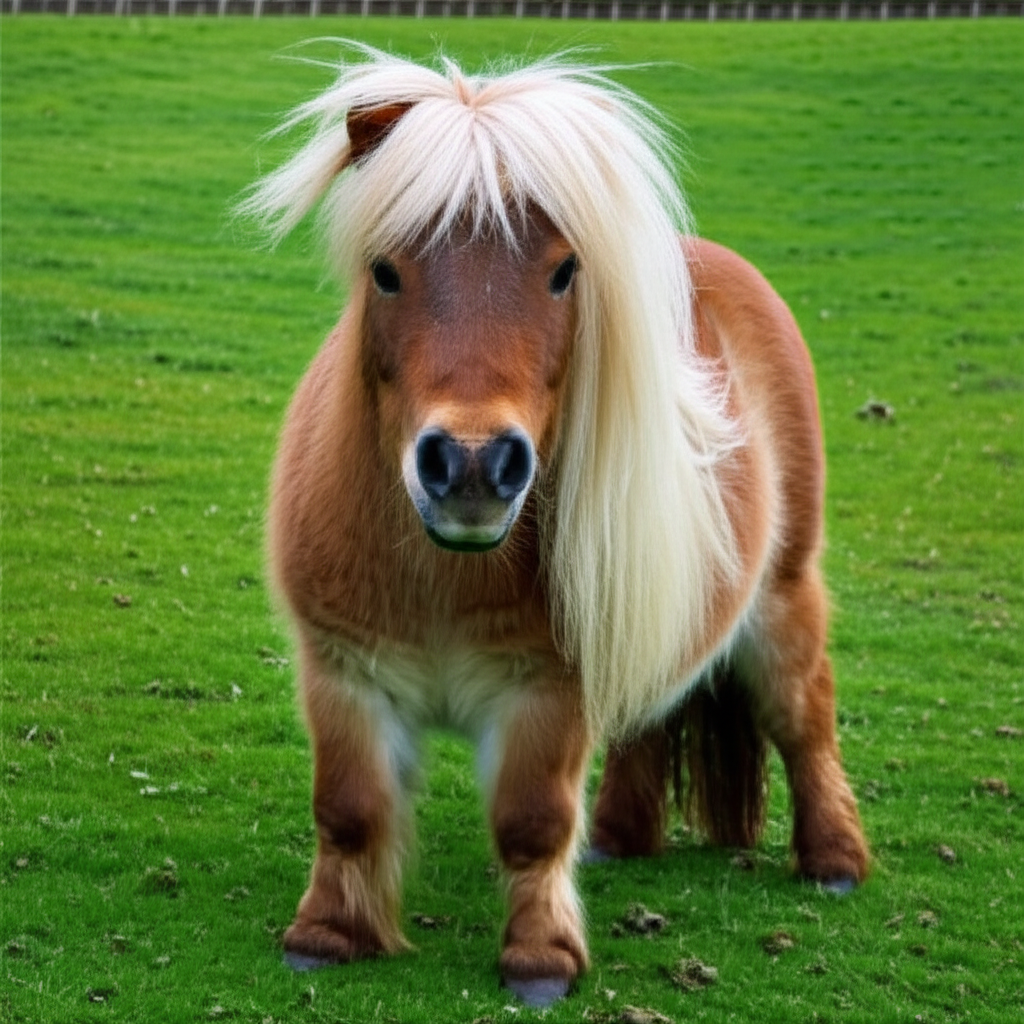
The Shetland Pony packs big personality into a small package. These sturdy little ponies—originally from Scotland’s Shetland Islands—are beloved as children’s first ponies, driving ponies, and pasture companions. But how much does a Shetland Pony actually cost?
Quick Answer: Shetland Pony Prices
| Type | Price Range |
|---|---|
| Rescue/Unregistered | $200 – $1,000 |
| Pet/Companion | $500 – $2,000 |
| Child’s Riding Pony | $1,000 – $5,000 |
| Trained Driving Pony | $2,000 – $7,500 |
| Show Quality | $3,000 – $10,000 |
| Breeding Stock/Elite Show | $5,000 – $20,000+ |
Understanding Shetland Pony Types
There are different types of Shetland Ponies with different price points:
Traditional/Classic Shetland
- Original type from Scotland
- Maximum 42 inches (10.2 hands)
- Heavy coat, thick mane and tail
- Most affordable type
American Shetland
- Refined, more horse-like appearance
- Up to 46 inches (11.2 hands)
- Higher-stepping action
- Generally more expensive
Miniature Shetland
- Under 34 inches
- Companion/pet market
- Prices vary widely
Factors Affecting Shetland Pony Prices
1. Training Level
The most important factor for riding/driving ponies:
- Untrained: $500 – $1,500
- Halter trained only: $800 – $2,000
- Started under saddle: $1,500 – $3,500
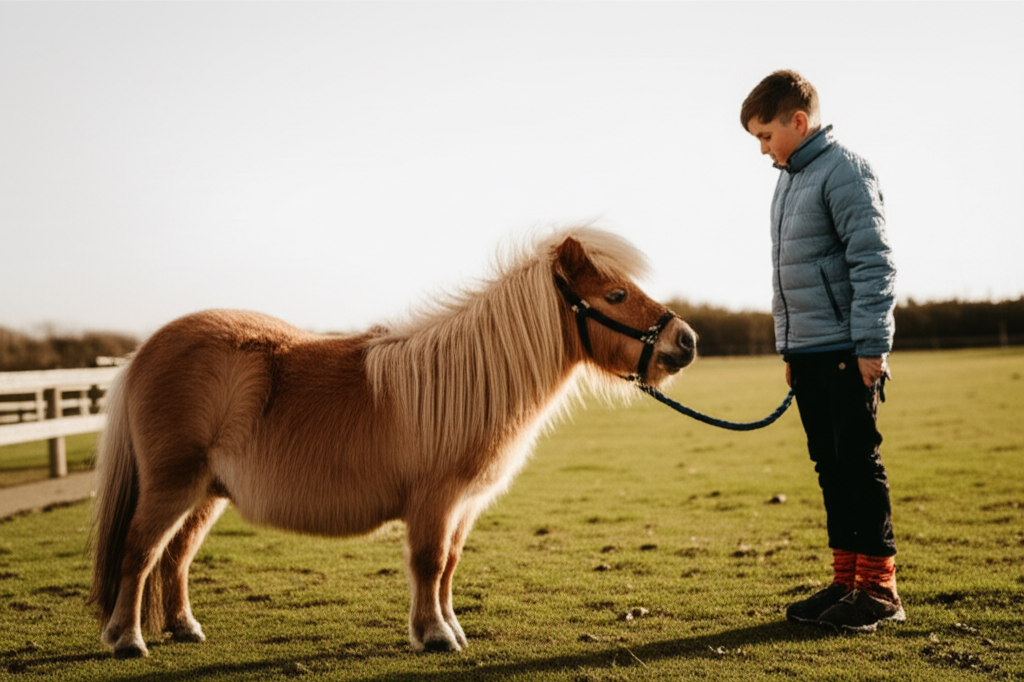
- Kid-safe riding pony: $2,500 – $6,000
- Driving trained: $2,000 – $7,500
2. Temperament
Shetlands are known for being… spirited. Temperament dramatically affects price:
- “Pony attitude” (typical): Average prices
- Genuinely gentle: Premium prices
- Kid-proof: Highest prices
- Difficult/nippy: Lowest prices
Important: A truly gentle, child-safe Shetland is worth paying extra for.
3. Age
- Weanlings: $500 – $2,000 (need training)
- Young ponies (1-3): $800 – $2,500 (needs finishing)
- Prime age (4-15): Highest prices for trained ponies
- Senior (16+): Lower prices, can still be excellent
4. Color
Shetlands come in virtually every color:
- Black: Classic, always popular
- Silver dapple: Premium prices
- Palomino/buckskin: Higher demand
- Pinto patterns: Eye-catching, often premium
- Common colors (bay, chestnut): Standard pricing
5. Registration
- Registered (ASPC or SPSBS): Higher prices
- Unregistered: Lower prices but same pony
Shetland Pony Prices by Purpose
Children’s Mount
- Lead-line only: $1,000 – $3,000
- Independent riding: $2,500 – $5,000
- Show pony for children: $3,500 – $8,000
Key point: A well-trained, genuinely safe children’s pony is worth every penny. Cheap ponies are cheap for a reason.
Driving
- Pleasure driving: $2,000 – $5,000
- Show driving (harness): $4,000 – $10,000
- Matched driving pair: $8,000 – $20,000
Companion/Pet
- Pasture buddy: $500 – $1,500
- Therapy/visiting animal: $1,500 – $4,000
- Pet with good temperament: $800 – $2,000
Breeding
- Broodmare: $1,500 – $5,000
- Breeding stallion: $2,500 – $10,000
- Foals: $500 – $2,500
Ongoing Costs: The Small Advantage
Shetlands are economical to keep due to their size:
| Expense | Full-Size Horse | Shetland Pony |
|---|---|---|
| Feed (monthly) | $200 – $400 | $50 – $100 |
| Hay (monthly) | $150 – $300 | $50 – $100 |
| Farrier | $50 – $200 | $30 – $75 |
| Veterinary | $50 – $150 | $40 – $100 |
Warning about feeding: Shetlands are extremely easy keepers and prone to obesity and laminitis. They often need restricted grazing and minimal grain.
Health Considerations
Shetlands are generally hardy but watch for:
- Laminitis: Very common due to easy-keeper metabolism
- Equine Metabolic Syndrome: Monitor weight carefully
- Heart disease: Some bloodlines predisposed
- Hyperlipemia: Can occur with sudden diet changes
Price impact: Ponies with known health issues sell for less. Healthy ponies from health-tested bloodlines cost more.
Where to Buy a Shetland Pony
Breeders
Pros: Know pedigree and temperament, registered ponies
Cons: Higher prices
Private Sales
Pros: See pony in home environment, negotiate
Cons: Verify claims carefully
Auctions
Pros: Potential bargains
Cons: Limited assessment time
Rescues
Pros: Lowest prices, rewarding
Cons: May need retraining
The “Pony Attitude” Factor
Shetlands are famous for being clever and sometimes… challenging:
- Can be stubborn
- May test boundaries
- Often outsmart children (and adults)
- Can become nippy without proper handling
This is why temperament affects price so dramatically. A genuinely sweet Shetland that doesn’t bite, kick, or test limits is worth significantly more than a typical “ponytude” pony.
Tips for Buying a Shetland
- See the pony with children: If buying for a child, watch them interact
- Check for nipping/kicking: Deal-breakers for kids
- Ask about health history: Laminitis is common
- Don’t buy the cheapest pony: There’s usually a reason
- Trial period if possible: Temperament can change in new settings
- Verify registration: If papers matter to you
Shetland vs. Welsh vs. Mini: Quick Comparison
| Breed | Size | Best For | Price Range |
|---|---|---|---|
| Shetland | Under 42″ | Small children, driving | $500 – $10,000 |
| Welsh A | Under 48″ | Children riding/showing | $2,000 – $15,000 |
| Miniature Horse | Under 34″ | Companion, driving | $500 – $5,000 |
The Bottom Line
Shetland Ponies range from a few hundred dollars for rescues to $10,000+ for elite show ponies. For a safe, well-trained children’s pony, expect to pay $2,500-$5,000—and consider it money well spent. The ongoing costs are minimal compared to full-size horses, making Shetlands an economical choice for families. Just remember: a good temperament is worth paying for, especially when children are involved.
Sources: American Shetland Pony Club, Shetland Pony Stud-Book Society, Pony Club UK

Leave a Reply