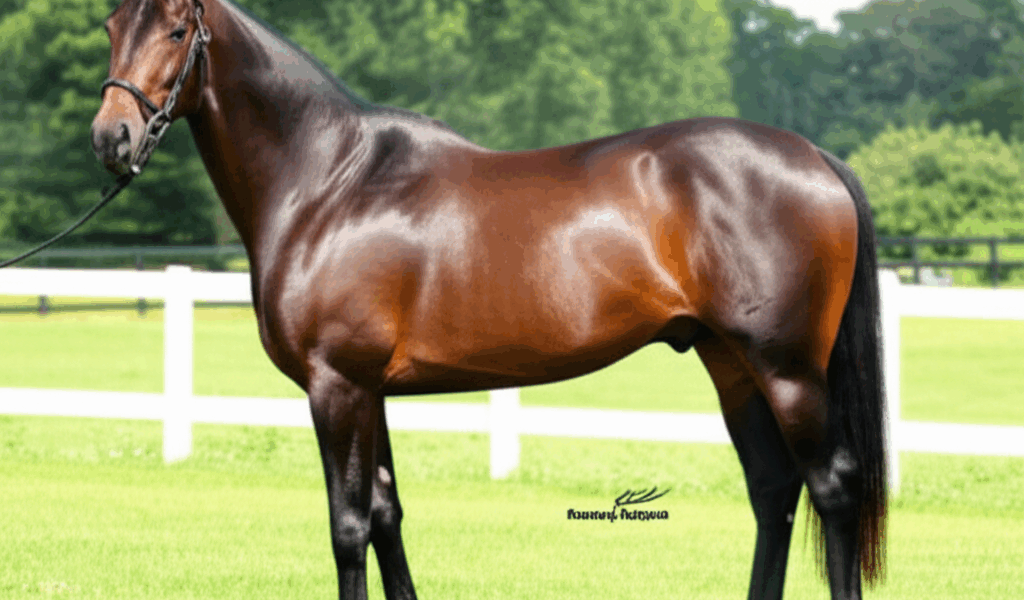
How much does a Morgan horse cost? Public Morgan listings visible in summer 2026 included asking examples at $4,000, $8,800 and $9,500. Those figures are a small marketplace snapshot—not completed sale prices or a national average. A proven show, breeding or highly trained Morgan may be advertised far above them, while an older, green or urgent-placement horse may cost less.
The purchase price is only the entry cost. Compare horses by verified training, soundness, temperament, registration and suitability for your job, then build a local ownership budget before making an offer.
2026 Morgan Horse Asking-Price Snapshot
| Visible listing example | Public asking price | How to interpret it |
|---|---|---|
| 2026 Morgan filly | $4,000 | A young prospect still needs time and professional training. |
| 2020 Morgan mare | $8,800 | Verify the exact horse, training, soundness and whether the advertised price covers one horse or a package. |
| 2011 dressage Morgan mare | $9,500 | Age, current fitness, competition record and maintenance needs matter. |
These were seller-set asking prices on DreamHorse when checked in 2026. Listings change, advertisements can expire, and the final negotiated prices are private. Treat the snapshot as three real examples—not a claim that every Morgan should fall inside this range.
What Changes a Morgan Horse’s Price?
Training and demonstrated suitability usually create more value than color or pedigree alone. A safe trail horse, reliable driving horse, competitive dressage mount or finished show horse should be evaluated for the exact work advertised. Age, health, soundness, location, breeding history and the seller’s timeline also affect asking price.
Ask to see the horse caught, led, groomed, tacked, mounted and ridden or driven. Watch the job you intend to do rather than relying on a polished sales video. If you are inexperienced, bring an independent trainer who understands your discipline and ability.
Verify AMHA Registration and Ownership Transfer
The American Morgan Horse Association says an official Transfer Application must be completed for every change of ownership. The original Registration Certificate must accompany the transfer application, and the recorded owner must sign the seller section. AMHA’s online registry can help research pedigree, ownership history, show results and breeding records.
Before paying a registered-Morgan premium:
- match the registration number, markings and identity to the horse;
- confirm the seller is the owner recorded on the certificate;
- inspect the original certificate and signed transfer paperwork before funds change hands;
- verify advertised show, breeding and ownership records independently; and
- contact the AMHA Registry if a certificate is missing or the ownership chain is unclear.
AMHA’s published fee schedule distinguishes member and nonmember transfer fees and increases the fee when a transfer is delayed. Check the current schedule rather than relying on an old article or the seller’s memory.
Arrange an Independent Pre-Purchase Examination
Use a veterinarian who represents you, not the seller. Explain the intended job and discuss what the examination should include. A basic exam cannot guarantee future health, and additional imaging, laboratory work or specialist review may be reasonable for a higher-value or performance horse.
Ask for veterinary, farrier, dental, medication and injury history. Review maintenance needs before deciding what the horse is worth to you. A lower purchase price can be poor value if the horse cannot comfortably perform the intended work.
Budget Beyond the Purchase Price
Get local written estimates for board or forage, routine veterinary care, dentistry, farrier work, training, tack, transport, insurance and emergency reserves. These recurring expenses can exceed the purchase price. Use our horse ownership cost worksheet and replace every placeholder with quotes from providers near you.
Morgan Horse Buying Checklist
- Define the horse’s job and your realistic experience level.
- Compare several current horses in the same region and discipline.
- Verify registration, recorded ownership and transfer documents.
- See the horse perform the advertised work in person.
- Use an independent trainer and veterinarian.
- Put identity, price, included equipment and seller representations in writing.
- Budget transport, immediate care and at least a reasonable emergency reserve.
Morgan Horse Cost FAQ
What is the average Morgan horse price?
There is no authoritative national average covering every age, discipline and training level. The small 2026 snapshot above showed public asking examples from $4,000 to $9,500, but it should not be treated as a valuation formula.
Are registration papers proof that the seller owns the horse?
Do not rely on papers alone as a substitute for a written sale agreement and appropriate legal documentation. Match the recorded owner, seller identity, certificate and transfer application, and resolve discrepancies before paying.
Is a young Morgan cheaper overall?
Not necessarily. A young prospect may have a lower asking price but require years of board and professional training before it can do the intended job.

Leave a Reply