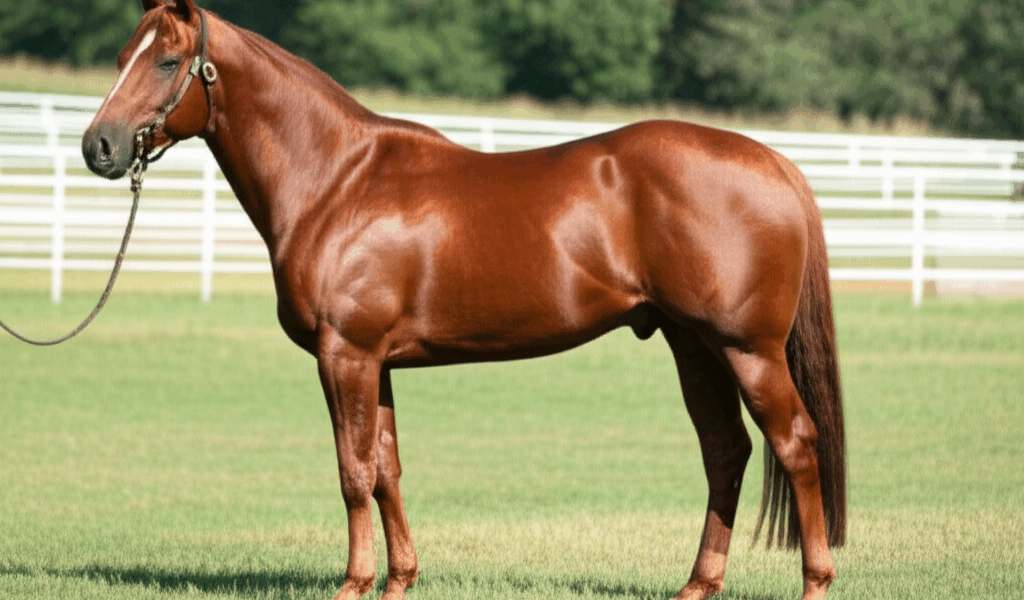
How much does a Quarter Horse cost in 2026? There is no authoritative national average for every American Quarter Horse. Age, training, temperament, soundness, registration, discipline, show record and location can move the price dramatically. Current public listings and specialized auctions also represent very different markets.
A better answer is to compare horses that match the job you actually need. This guide shows how to build a defensible local price estimate, verify an AQHA horse’s identity and paperwork, and avoid letting the purchase price crowd out the cost of responsible ownership.
2026 Quarter Horse Price Examples
Public prices are useful as examples, not as a universal average. In a spring–summer 2026 DreamHorse snapshot, visible asking prices for registered AQHA foals and young prospects included examples around $3,500, $5,000, $6,000, $7,000, $7,500 and $8,000. These were mostly unproven young horses with differing pedigrees, colors and intended disciplines—not finished beginner-safe riding horses.
At the other end of the market, the 2025 Texas Quarter Horse Association Yearling Sale reported 256 head sold for $5,828,800, with the top racing-bred yearling bringing $155,000. That specialized auction is evidence of how high an elite prospect can sell, but it is not a price guide for a recreational trail horse.
Asking price is not sold price. A listing also does not prove training, soundness, temperament or ownership. Treat online prices as the beginning of your comparison—not the valuation.
How to Estimate a Fair Local Price
- Define the job. Write down the rider’s experience, discipline, competition level, preferred age range and non-negotiable behavior.
- Collect 10–20 close comparisons. Use horses in your region with similar age, sex, registration, training and intended use.
- Separate asking and sold prices. Do not mix advertised prices with verified auction results as though they were equivalent.
- Use the middle of the comparable group. A median is more useful than an average when one elite prospect or distressed sale distorts the range.
- Adjust only for evidence. Credit verified training, competition records and registration. Discount for training gaps, missing documents or issues revealed during the examination.
- Recalculate after the visit and veterinary exam. The horse you inspect may not match the advertisement.
A safe, experienced trail gelding and a young cutting prospect can both be Quarter Horses while having almost nothing else in common as purchases. Compare like with like.
What Most Affects a Quarter Horse’s Value?
Training and suitability
A horse that reliably performs the buyer’s intended job is usually more useful than an unproven horse with fashionable breeding. Ask to see the horse caught, handled, tacked, ridden and performing the advertised work. AQHA’s shopping checklist recommends asking about vices, loading, tying, living conditions, previous owners, health history and whether the seller will hold the horse for a veterinary check.
For a novice rider, calm behavior in one sales video is not enough. Bring an independent trainer who understands the rider and discipline. The buyer—not the veterinarian—must ultimately decide whether the horse is suitable for the intended use.
Soundness and health
A low purchase price can become expensive if the horse cannot comfortably do the intended work. Arrange a pre-purchase examination with a veterinarian working for you. AAEP says the examination should be tailored through communication between buyer and veterinarian, and its ethics guidance emphasizes impartiality, disclosure of prior relationships and review of available medical records.
The examination is not a pass/fail warranty or a valuation. Tell the veterinarian the horse’s intended workload and discuss which additional tests are appropriate. Request prior medical, lameness, medication and maintenance records when the seller authorizes their release.
Age and experience
Age alone does not create a fixed price. A well-maintained older horse with an appropriate job and dependable behavior may be more valuable to a particular buyer than a younger, greener prospect. Evaluate age together with current condition, work history, soundness and the rider’s goals.
Registration, pedigree and performance records
Registration can document identity and pedigree, but papers do not prove that a horse is safe, trained or sound. Before paying a registered-horse premium, match the horse’s markings to the original AQHA certificate and verify the seller’s authority to transfer it.
AQHA advises buyers to obtain a completed transfer report or signed bill of sale, the original registration certificate, and the correct sale information. Its help center also recommends checking that the seller is the owner of record or authorized to sign and reviewing the horse’s AQHA records.
Discipline and verified results
Racing, cutting, reining, ranch riding, barrel racing, western pleasure and recreational trail riding have different buyer pools. Verify earnings and show claims against the registered horse rather than relying on an advertisement. A record matters only when it is relevant to the job you need.
Budget Beyond the Purchase Price
The acquisition price is only one part of the decision. Build a local annual budget for board or property costs, forage and feed, routine veterinary care, dentistry, hoof care, tack, lessons or training, transport, insurance and emergencies.
University of Minnesota Extension notes that costs vary widely with location, health, facilities, training and activities. It also recommends planning for emergencies and not cutting corners on quality hay, needed professional care, core preventive care or dental exams. Use our horse-cost worksheet to price these categories with quotes from providers near you.
Quarter Horse Buying Checklist
- Define the rider, discipline, workload and budget before shopping.
- Compare similar horses in the same region and record the date of each price.
- Confirm whether each number is an asking price or a completed sale.
- Watch the seller handle and ride the horse before you do.
- Bring an independent trainer or experienced adviser.
- Match the horse to the original AQHA certificate and verify seller authority.
- Review available medical, farrier, medication and competition records.
- Use a veterinarian working for you for the pre-purchase examination.
- Put the horse’s identity, price and seller representations in writing.
- Budget transport and ongoing care before making an offer.
If this will be your first purchase, also use our first-horse buying guide before arranging visits.
Quarter Horse Cost FAQ
What is the average price of a Quarter Horse in 2026?
No authoritative national average covers recreational horses, breeding stock, young prospects and elite performance horses. Build a current local comparison set for the same age, training, use and registration status.
Why do Quarter Horse prices vary so much?
The label covers horses intended for very different jobs. Verified training, temperament, soundness, records, pedigree, location and buyer demand can all affect price.
Are registered Quarter Horses always more expensive?
Registration and documented records can add value for some buyers, but papers alone do not establish training, suitability or health. Verify the certificate and transfer documents before paying a premium.
Should I skip the veterinary exam on an inexpensive horse?
No. The financial and welfare consequences of an unsuitable or unsound purchase can exceed the acquisition price. Discuss the intended use and appropriate examination scope with your veterinarian.
Sources
- AQHA: Checklist for Buying a Horse
- AQHA: Transfer and ownership requirements
- AAEP: Don’t Skip the Purchase Exam
- AAEP: Equine ethics guidance for pre-purchase examinations
- University of Minnesota Extension: Caring for horses on a budget
- AQHA: 2025 TQHA Yearling Sale results
- DreamHorse: 2026 AQHA Quarter Horse listing examples

Leave a Reply