![Can Horses Eat Avocado? Toxic Foods Warning [2026]](https://horsebesties.com/wp-content/uploads/sites/115/2026/01/avocado-danger-1024x600.png)
No, horses should never eat avocados. All parts of the avocado plant—fruit, leaves, bark, and pit—are toxic to horses. Avocado toxicity can cause serious illness and even death in horses.
Why Avocados Are Dangerous for Horses
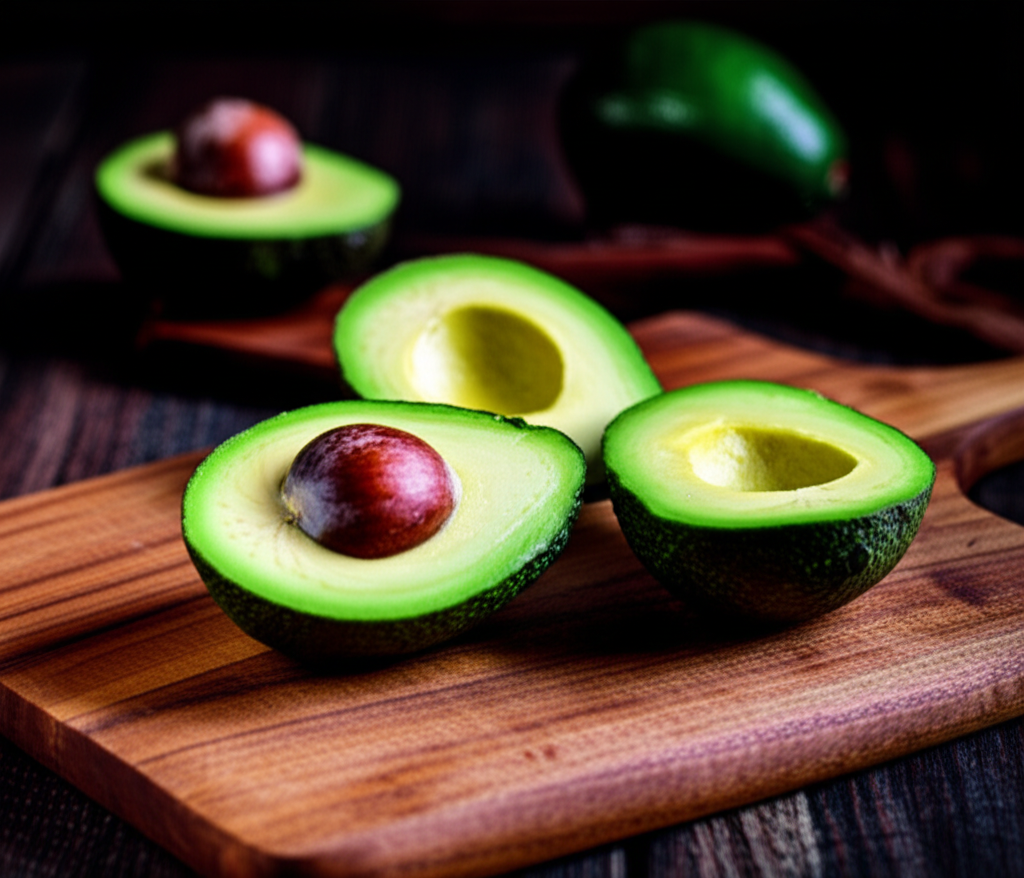
Avocados contain a toxin called persin that is dangerous to horses and many other animals:
What Is Persin?
- A fungicidal toxin naturally present in avocados
- Found in all parts of the plant, not just the fruit
- Horses are particularly sensitive to it
- Can cause cardiovascular damage and death
What Parts Are Toxic?
| Plant Part | Toxicity Level |
|---|---|
| Leaves | HIGHLY TOXIC |
| Bark | HIGHLY TOXIC |
| Pit/Seed | TOXIC + Choking hazard |
| Skin/Peel | TOXIC |
| Fruit flesh | TOXIC (lower levels but still dangerous) |
Important: The leaves contain the highest concentration of persin, but ALL parts should be avoided.
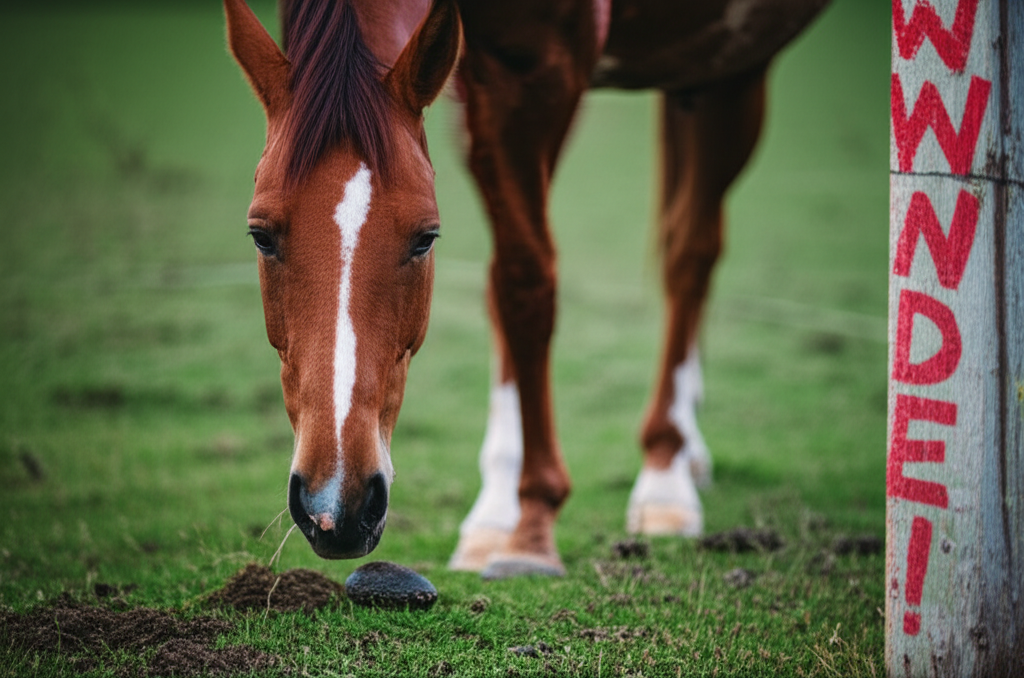
Symptoms of Avocado Poisoning
Symptoms can appear within 24-48 hours of ingestion:
Cardiovascular Signs
- Irregular heartbeat (arrhythmia)
- Rapid heart rate
- Heart muscle damage
- Congestive heart failure
Respiratory Signs
- Difficulty breathing
- Respiratory distress
- Pulmonary edema (fluid in lungs)
Other Signs
- Swelling of the head and neck (edema)
- Colic symptoms
- Lethargy and weakness
- Refusal to eat
Lactating Mares
Additional concern:
- Mastitis (udder inflammation)
- Decreased milk production
- Toxin may pass to nursing foals
How Much Is Dangerous?
There’s no established “safe” amount:
- Even small amounts can cause problems
- Toxicity depends on the horse and which part was eaten
- Leaves are most concentrated, but all parts are dangerous
- Effects can be cumulative
Any avocado consumption should be treated as a veterinary emergency.
What to Do If Your Horse Eats Avocado
- Call your veterinarian immediately
- Note what was eaten: Fruit, leaves, bark? How much?
- Note the time: When did the horse eat it?
- Remove access: Prevent further consumption
- Monitor vital signs: Heart rate, breathing, behavior
- Keep the horse calm: Minimize stress
There is no antidote for persin toxicity. Treatment is supportive, making early intervention critical.
Avocado Trees and Horses
If you live in an area where avocados grow:
- Never pasture horses near avocado trees
- Fence off avocado orchards completely
- Remove fallen fruit and leaves promptly
- Don’t use avocado wood for fencing or shelter
- Dispose of avocado waste where horses can’t access it
Common Scenarios to Avoid
- Feeding guacamole: No—contains avocado
- Sharing snacks: Never give horses food containing avocado
- Composting: Keep compost with avocado away from horses
- Trail riding through orchards: Keep horses out
Safe Alternatives
Instead of avocado, offer these healthy treats:
| Safe Treat | Benefits |
|---|---|
| Carrots | Nutritious, crunchy, beloved |
| Apples | Sweet, healthy (cut into pieces) |
| Bananas | Potassium-rich, soft |
| Watermelon | Hydrating, refreshing |
| Celery | Low calorie, good crunch |
Other Toxic Foods to Avoid
Avocado isn’t the only dangerous food. Also avoid:
- Chocolate: Contains theobromine—toxic
- Onions and garlic: Can cause anemia
- Tomato plants: Nightshade family—toxic
- Potatoes (green): Contain solanine
- Rhubarb leaves: High oxalates
- Caffeine: Stimulant—dangerous
The Bottom Line
Avocados are toxic to horses—no part is safe to feed. The persin toxin can cause serious cardiovascular and respiratory problems, potentially leading to death. If you live in an area with avocado trees, take extra precautions to keep horses away from all parts of the plant. If your horse consumes any amount of avocado, call your veterinarian immediately. Stick to safe treats like carrots, apples, and bananas instead.
Sources: ASPCA Animal Poison Control, UC Davis School of Veterinary Medicine, American Association of Equine Practitioners


Leave a Reply