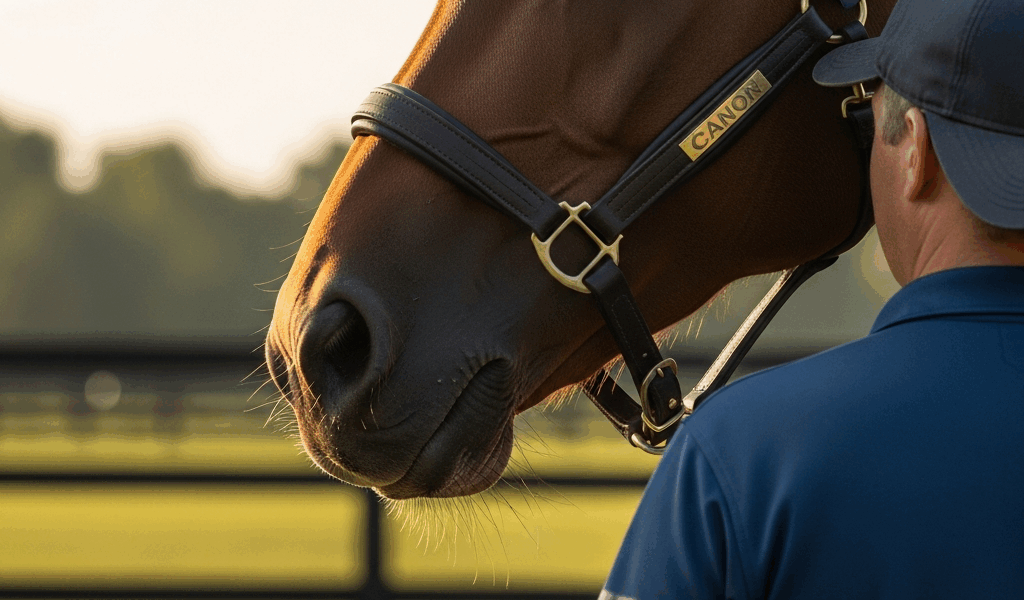
Is It Nipping or Actual Aggression
I’ve worked with horses for almost fifteen years, and here’s what I always ask when someone tells me their horse won’t stop nipping: “What exactly does it look like?” That answer matters more than you’d think — the difference between playful mouthing and genuine aggression determines whether you need a quick correction or a serious behavioral overhaul.
Playful nipping usually happens with soft contact and no real force behind it. The horse’s ears are relaxed or even forward. Their eyes look soft, not hard and locked on you. They’ll mouth your jacket or gloves and move away if you say no. It’s basically the equine equivalent of puppy behavior. I’ve seen horses do this when they’re bored or greeting someone they like.
Warning nips are sharper — that’s the real tell. The horse will pin their ears slightly and make actual contact that stings. There’s intention here, but it’s not a full bite. This is the horse setting a boundary, usually because you’ve invaded their space, touched a sore spot, or ignored earlier signals. Watch the ears. Pinned ears mean something’s wrong.
Genuine aggression looks completely different. The horse’s entire body tenses up. Their eyes go hard and focused. Ears flatten completely against their head. They may bare their teeth. The actual bite or nip carries real force and intention to hurt. If your horse is doing this, nipping is the least of the problem — you’re dealing with serious dominance or fear aggression.
Body language tells the whole story. Watch the whole horse, not just the mouth. A horse with relaxed shoulders, soft eyes, and ears that move naturally is communicating something completely different from one with tight muscles, pinned ears, and a locked gaze.
Why Horses Nip and What Triggers It
Before you can fix nipping, you need to understand why it’s happening. Most horse owners miss this step entirely and end up addressing the symptom instead of the cause.
Boredom is probably the number one culprit I see. A horse stuck in a stall for twelve hours with nothing to do will start experimenting with their handler just for stimulation. They’re not being aggressive — they’re understimulated. Horses are incredibly intelligent animals. Without mental and physical outlets, they’ll invent their own entertainment, and that often means testing boundaries with whoever handles them.
Dominance testing is real, though less common than people think. Young horses or horses that haven’t learned clear boundaries will probe to see what they can get away with. They’re not trying to hurt you. They’re trying to figure out where they stand in the herd hierarchy. The problem is, if nipping gets rewarded — even accidentally — it becomes a learned behavior fast.
Learned behavior from early handling is more common than dominance. I made this mistake myself with a three-year-old Quarter Horse named Diesel back in 2009. My trainer at the time said his nipping was “cute” and “playful,” so I laughed when he did it. Within six months, he was nipping hard enough to leave marks because I’d accidentally reinforced the behavior. He learned that nipping meant attention and interaction. Once I stopped finding it funny, it took weeks to undo the damage.
Teething causes temporary nipping in young horses — usually between ages two and four when their permanent teeth are coming in. They literally need to chew and mouth things for relief. This is different from behavioral nipping and usually resolves with proper enrichment and time.
Pain can trigger nipping too. A horse with mouth pain, ill-fitting tack, or sensitivity in their back might nip when you touch the sore area. Before assuming it’s behavior, rule out physical issues with a vet.
Immediate Safety Steps During an Encounter
When a horse starts nipping at you right now, in this moment, your goal is safety first and de-escalation second. Punishment comes later, if at all.
Position your body sideways to the horse instead of facing them directly. This looks less confrontational and gives you better balance to move away quickly if needed. Never stand directly in front of a nipping horse — you’re putting your face in range.
Keep your hands visible and high. If the horse reaches for your arm or shoulder, raise your hand to chest height with your palm facing them. A clear hand signal often stops the behavior without contact. I use this constantly with problem nippers before anything else.
Move away. Seriously. Step back two or three feet the moment the horse starts to nip. You’re removing the target and showing the horse that nipping ends the interaction. Don’t make it dramatic — just calmly step back and create distance.
Use your voice. A firm “no” or “quit” works better than yelling. Horses respond to tone more than volume. Keep it low and authoritative. The goal is communication, not intimidation.
Redirect if possible. Offer a toy, hay net, or something else to mouth. Sometimes a nipping horse just wants something to chew, and giving them an appropriate outlet stops the behavior immediately.
Never hit or jab at the horse’s mouth. This teaches them to fear you and often makes nipping worse because they become defensive. Probably should have opened with this section, honestly — I see too many people escalate situations by punishing reflexively instead of managing them.
Long-Term Training to Stop Nipping for Good
Real change takes weeks. Plan on four to eight weeks of consistent work before the behavior fully stops.
Step one: Establish clear boundaries. Every time your horse even thinks about nipping, you step back immediately. The boundary is consistent — nipping ends the interaction every single time. No exceptions. After about two weeks of this, most horses start getting the message that nipping doesn’t work.
Step two: Reward the right behavior. When your horse stands quietly without trying to nip, reward them immediately with treats, scratches, or praise. Horses learn what works. If standing still gets them good things and nipping stops the interaction, they’ll choose standing still.
Step three: Fix the underlying cause. If boredom is driving the nipping, increase turnout time. Give a stall-bound horse access to hay nets, treat balls, and toys. If dominance testing is the issue, establish consistent handling routines where you’re always in control of interactions. If it’s learned behavior from earlier reinforcement, you’re already fixing it by removing the reward.
Step four: Enrich their environment. A bored horse is a problem horse. Hanging a treat ball in the stall, using slow-feed hay nets, allowing more turnout time, and providing varied terrain for exercise all reduce nipping significantly. One of my clients reduced her horse’s nipping by forty percent just by switching from a standard hay net to a slow-feed net that kept the horse occupied for hours instead of minutes.
Step five: Be patient and consistent. You can’t fix nipping with sporadic corrections. Every handler needs to respond the same way every time. Consistency matters more than intensity.
When to Call a Professional Trainer
Not all nipping responds to DIY training, and that’s okay. It’s not a failure — it’s good judgment to know when you need help.
Call a professional if the nipping is escalating despite two weeks of consistent work. If your horse is nipping harder, more frequently, or with more aggression, something else is going on — maybe pain, maybe fear, maybe a deeper dominance issue. A trainer can diagnose what you can’t.
If the nipping comes with other aggressive behaviors — biting, striking, rearing, charging — this is serious. Don’t try to handle this alone. A professional needs to assess whether this is trainable behavior or a safety issue that requires medication or other intervention.
If you can’t stay safe around the horse, get help immediately. Your safety is non-negotiable. A horse that’s genuinely dangerous to handle needs professional evaluation, not YouTube videos.
If you’re unsure whether the nipping is playful or serious, a trainer can observe your horse and give you clarity. Sometimes that clarity changes everything about how you approach the problem.
Finding the right trainer matters. Look for someone who understands positive reinforcement, can diagnose root causes, and doesn’t default to punishment. The best trainers fix the underlying issue, not just the symptom.


Leave a Reply